
Category: Entertainment

  • “‘Reimburse Kinaata!’ — Kwaku Manu Fires GFA, Begs Embassies Over Shock US Visa Denials”

    “‘Reimburse Kinaata!’ — Kwaku Manu Fires GFA, Begs Embassies Over Shock US Visa Denials”

    Actor and media personality has stirred public debate after boldly calling on football authorities to take responsibility following a wave of US visa denials affecting Ghanaian delegation members, including popular musician performances linked to national football engagements.

    Speaking in a strongly worded appeal, Kwaku Manu demanded that the Ghana Football Association (GFA) step in to reimburse artist Kofi Kinaata after reported disruptions linked to visa complications allegedly preventing scheduled appearances and travel arrangements.

    Kwaku Manu did not hold back, insisting that if the artist incurred financial or professional losses due to the failed travel arrangements, then the football governing body must “do the right thing” and compensate him accordingly.

    He also extended his criticism beyond football circles, appealing directly to foreign embassies to reconsider what he described as increasingly frustrating visa rejection patterns affecting Ghanaian entertainers, athletes, and officials.

    According to him, such denials not only disrupt individual careers but also damage Ghana’s cultural and sporting representation on the international stage.

    The comments have since triggered heated discussion online, with fans divided over whether responsibility lies with the football authorities, travel arrangements, or visa issuing embassies.

    The GFA has yet to officially respond to the calls for reimbursement or the broader concerns raised.

    @edditing_b

    Kwaku Manu reacts to Yaw Dabo appearing on World Cup screens😂🔥💪

    ♬ original sound – Ůpsideďowns_
  • Entertainment Industry in High-Level Crisis Talks: Over 230 Stakeholders Storm TGMA Music Summit Over Exploitative Deals and Contract Traps

    Entertainment Industry in High-Level Crisis Talks: Over 230 Stakeholders Storm TGMA Music Summit Over Exploitative Deals and Contract Traps

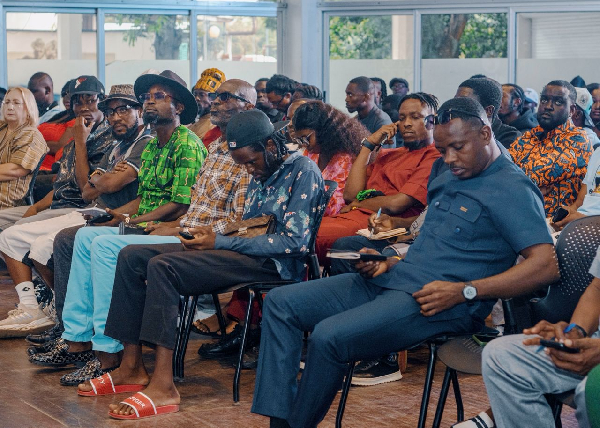
    More than 230 key players in Ghana’s music industry have gathered at the TGMA Music Summit, in a high-powered meeting aimed at confronting growing concerns over unfair brand partnerships, exploitative contracts, and recurring legal pitfalls affecting musicians.

    The summit, which brought together artistes, managers, producers, legal experts, and industry executives, turned into an intense platform for exposing the challenges many musicians face in negotiating commercial deals and protecting their intellectual property.

    Participants raised alarm over increasing cases of unfavourable brand endorsements, unclear contract terms, and lack of professional legal guidance—issues they say continue to weaken the bargaining power of emerging and even established artistes.

    Industry voices at the summit stressed that while Ghana’s music scene is experiencing rapid growth and international attention, structural weaknesses in contract management and brand negotiations are leaving many creatives vulnerable to exploitation.

    Discussions also focused on the urgent need for stronger education on entertainment law, improved industry regulation, and the establishment of standardized contract frameworks to protect artistes from long-term financial losses.

    Organizers described the summit as a critical step toward reforming the business side of music in Ghana, with stakeholders calling for sustained dialogue and actionable reforms beyond talk-shop engagements.

    The event is expected to produce recommendations aimed at reshaping how brand deals and contracts are handled in the country’s fast-growing creative industry.

  • I TOOK $50,000 TO CHINA FEELING LIKE A KING — THEN I MET KWATEMAA AND EVERYTHING CHANGED – NANA AKUA ADDO RECOUNTS SHOCKING EXPERIENCE

    I TOOK $50,000 TO CHINA FEELING LIKE A KING — THEN I MET KWATEMAA AND EVERYTHING CHANGED – NANA AKUA ADDO RECOUNTS SHOCKING EXPERIENCE

    Actress and media personality Nana Akua Addo has opened up about a surprising and unforgettable moment during a trip to China, revealing how what was meant to be a lavish, confidence-filled journey quickly turned into a humbling experience.

    According to her, she travelled with what she described as a “comfortable” sum of $50,000, feeling financially secure and ready to enjoy the trip without limits. However, that confidence was short-lived after an unexpected encounter that changed her entire perspective.

    She recounted that meeting Kwatemaa Andoh during the trip shifted the atmosphere completely, leaving her stunned and rethinking her assumptions about wealth, status, and experience.

    What began as a feeling of financial superiority, she suggested, quickly turned into a moment of reflection and comparison that she did not anticipate when leaving for the trip.

    The actress’s story has since sparked conversations online, with many interpreting it as a lesson on humility, perception, and how quickly circumstances can shift when people encounter different realities abroad.

    While she did not go into full detail about the encounter, her remarks have generated widespread curiosity and debate, with fans eager to understand what exactly transpired during the unexpected meeting.

    For Nana Akua Addo, the experience appears to have left a lasting impression — one that reshaped how she views money, confidence, and social encounters beyond borders.

  • “A MAN OF HONOUR IS GONE!” – PETE EDOCHIE BREAKS DOWN IN EMOTIONAL TRIBUTE TO LATE ALEXX EKUBO

    “A MAN OF HONOUR IS GONE!” – PETE EDOCHIE BREAKS DOWN IN EMOTIONAL TRIBUTE TO LATE ALEXX EKUBO

    Veteran actor Pete Edochie has left fans emotional after paying a heartfelt tribute to late Nollywood star Alexx Ekubo, describing him as a rare gentleman and “a man of honour” whose legacy will never be forgotten.

    In a powerful reflection that has since gone viral, Edochie mourned the passing of Ekubo with deep sorrow, highlighting his discipline, humility, and dedication to his craft as qualities that set him apart in the film industry.

    The tribute has sparked waves of emotion across social media, with fans and colleagues recalling Ekubo’s impact on Nollywood and the warmth he carried both on and off screen.

    Edochie’s words paint a picture of a young talent whose life, though cut short, left a lasting imprint on colleagues, admirers, and the entire entertainment fraternity.

    Industry insiders describe the moment as one of the most emotional public tributes in recent times, underscoring the deep respect shared between generations of actors.

    As the news continues to resonate, fans are flooding timelines with messages of condolence, celebrating Alexx Ekubo’s life, legacy, and contribution to African cinema.

    His passing, though deeply painful for many, has reignited conversations about honour, discipline, and legacy within the entertainment industry.

  • “I WILL NEVER DISCUSS MY EARNINGS WITH MY SPOUSE” — NANCY ISIME STIRS CONTROVERSY

    “I WILL NEVER DISCUSS MY EARNINGS WITH MY SPOUSE” — NANCY ISIME STIRS CONTROVERSY

    Actress Sparks Debate Over Money, Marriage, and Financial Privacy in Relationships

    Nigerian actress and media personality Nancy Isime has set social media ablaze after reportedly stating that she would never disclose her earnings to her spouse, a comment that has triggered widespread debate about financial transparency in marriage.

    The remark, which has been widely circulated online, has divided opinion, with some users praising her stance as a matter of personal financial independence, while others argue that openness about income is essential in building trust between partners.

    A DIVIDED ONLINE DEBATE

    Supporters of the idea say financial privacy is a legitimate boundary, especially for individuals with independent careers and income streams. They argue that marriage does not necessarily require full financial disclosure if both partners are responsible for shared obligations.

    Critics, however, insist that withholding earnings could create mistrust and imbalance in relationships, stressing that financial honesty is a key pillar of long-term marital stability.

    BROADER CONVERSATION ON MODERN MARRIAGE

    The debate has since expanded into a wider discussion about evolving expectations in relationships, particularly among public figures whose income is often unpredictable and highly public.

    Relationship analysts note that conversations about money remain one of the most sensitive areas in marriage, with couples increasingly negotiating new boundaries around transparency, privacy, and shared responsibility.

    SOCIAL MEDIA REACTIONS POUR IN

    As reactions continue to flood timelines, the statement has become another flashpoint in ongoing debates about love, independence, and financial boundaries in modern relationships.

    Whether seen as empowering or controversial, the comment has once again highlighted how personal financial choices can quickly become public conversation in the age of social media.

  • “THE NEW SOUND OF AFRICA” — TIEME MUSIC UNVEILS EXPANDING GLOBAL ROSTER OF AFRICAN STARS

    “THE NEW SOUND OF AFRICA” — TIEME MUSIC UNVEILS EXPANDING GLOBAL ROSTER OF AFRICAN STARS

    Pan-African Music Powerhouse Strengthens Its Grip on the Global Scene

    The rapidly rising African label services company Tieme Music is continuing its aggressive expansion across the continent and beyond, unveiling a growing global roster of artists shaping what it calls “the new sound of Africa.”

    Founded in 2022, the Ghana-origin platform has evolved into a major cultural bridge connecting West African talent to international markets through distribution, marketing, and strategic artist development partnerships.

    A Roster Spanning Ghana, Côte d’Ivoire, Nigeria and Beyond

    The label’s roster reflects its pan-African ambition, blending drill, Afrobeats, rap ivoire, hiplife, and alté influences into a unified global sound.

    Among the standout names associated with Tieme Music are:

    • Ivorian rap sensation Himra, one of the label’s most internationally visible acts
    • Ghanaian hip-hop and drill voices such as Beeztrap KOTM, Jay Bahd, and Reggie Osei
    • Emerging and established acts including Kwaku DMC, Skyface SDW, Ko-Jo Cue, Kofi Kinaata, Quamina Mp, and others linked to the ecosystem

    The label also connects a wider distribution network that includes artists across multiple African markets, positioning itself less as a traditional label and more as a cross-border music infrastructure hub.

    From Local Startup to Global Music Engine

    What began as a Ghanaian startup has quickly transformed into a pan-African export system, helping artists break into European and global markets through structured rollout strategies, playlist placements, and international partnerships.

    A major milestone in this rise came through the global breakthrough of Himra, whose success in France—including a Gold certification for “Number One”—has been widely credited to Tieme’s distribution and marketing architecture.

    Industry observers say this model positions the company as part of a new generation of African music powerhouses that are no longer just discovering talent—but actively engineering global hits.

    Building a Bridge Between Africa and the World

    Through its ecosystem approach, Tieme Music is focusing on more than artist signings. It is investing in legal support, digital distribution, and global marketing systems designed to help African artists scale internationally without losing cultural identity.

    The label’s growing influence has also been reflected in award nominations and chart recognition across Ghana and beyond, signaling rising industry acceptance of its model.

    A New Era for African Sound

    As streaming continues to redefine global music consumption, Tieme Music’s expanding roster signals a broader shift: African artists are no longer entering the global stage individually—they are being launched as part of structured, export-ready ecosystems.

    For the label, the message is clear: the “new sound of Africa” is not a genre—it is a movement.

  • “CELEBRATE ME NOW, NOT WHEN I DIE” — OBAAPA CHRISTY MAKES EMOTIONAL APPEAL TO FANS

    “CELEBRATE ME NOW, NOT WHEN I DIE” — OBAAPA CHRISTY MAKES EMOTIONAL APPEAL TO FANS

    Gospel Star Urges Appreciation for Artists While They Are Still Alive

    Ghanaian gospel musician Obaapa Christy has called on fans and the public to show love and appreciation to artists during their lifetime, rather than waiting until after their death.

    Her emotional message has sparked widespread reflection within the entertainment industry, reigniting conversations about how society values creative talents while they are still active.

    “Don’t Wait Until I’m Gone” — Singer’s Plea Goes Viral

    In her remarks, Obaapa Christy emphasized the importance of celebrating musicians, acknowledging their contributions, and supporting them while they are still alive to feel the impact of that recognition.

    Her statement:

    “Celebrate me now, not when I die”

    quickly resonated online, with many fans sharing mixed emotions and agreeing with her message.

    A Familiar Concern in the Creative Industry

    The gospel singer’s appeal reflects a recurring concern among artists who feel that recognition and tributes often come too late—frequently after their passing.

    Industry watchers say the issue highlights a broader cultural tendency where appreciation, awards, and tributes are sometimes amplified posthumously rather than during active careers.

    Fans and Industry Voices React

    Social media users have responded with emotional commentary, with many agreeing that living artists deserve more support, visibility, and financial appreciation while they can still benefit from it.

    Others have used the moment to call for stronger systems that ensure consistent recognition and better welfare for musicians and creatives.

    A Call for Cultural Change

    Observers say the message is not just personal but symbolic, pointing to the need for a shift in how audiences, institutions, and the media engage with artists.

    As the conversation continues, Obaapa Christy’s statement has become a rallying call for more intentional celebration of creative figures while they are still alive to witness it.

  • “I WILL NEVER RETURN!” — Bishop Obinim Makes Explosive Declaration About Matrimonial Home

    “I WILL NEVER RETURN!” — Bishop Obinim Makes Explosive Declaration About Matrimonial Home

    Accra, Ghana – Controversial preacher and founder of the Bishop Daniel Obinim has sparked widespread reactions after boldly declaring that he will never return to his matrimonial home, a statement that has quickly ignited debate across religious and social circles.

    In the strongly worded remark, Bishop Obinim suggested that his decision is final, insisting that under no circumstances will he go back to live in the home he once shared with his spouse.

    The declaration has triggered intense public speculation, with many questioning the circumstances behind the statement and what may have led to such a decisive break in domestic relations.

    Supporters of the preacher have urged the public to respect his privacy, while critics argue that such personal matters should not be publicly amplified in dramatic fashion, especially given his influential position in society.

    Relationship commentators note that public figures often face amplified scrutiny in their private lives, where personal disagreements can quickly become national talking points once shared publicly or circulated online.

    Legal and counselling experts also caution that marital disputes are best resolved through private mediation and structured dialogue rather than public declarations that may deepen tensions or fuel misunderstanding.

    As reactions continue to spread on social media, the statement has become a trending topic, with many awaiting further clarification or response from the other party involved.

    For now, the remark stands as one of the most talked-about personal declarations in recent days, adding to ongoing conversations about marriage, privacy, and public responsibility among religious leaders.

  • “I Am Not a Very Religious Person” – M.anifest Opens Up on Faith, Identity, and Personal Beliefs

    “I Am Not a Very Religious Person” – M.anifest Opens Up on Faith, Identity, and Personal Beliefs

    Award-winning Ghanaian rapper M.anifest has sparked fresh conversation after candidly revealing that he does not strongly identify as a religious person, offering rare insight into his personal worldview and belief system.

    In a reflective comment that has since gained traction online, the rapper explained that while he respects spirituality and cultural traditions, he does not consider himself deeply religious in the conventional sense.

    His statement has drawn attention because M.anifest is often associated with thoughtful lyricism that explores identity, society, and philosophy—making his perspective on faith a subject of interest among fans and cultural commentators.

    He emphasized that personal belief systems are complex and evolving, suggesting that spirituality can exist outside formal religious structures. His remarks were framed as part of a broader reflection on authenticity and self-definition in public life.

    The comments have triggered mixed reactions across social media. Some fans praised his honesty, saying it reflects the reality of many modern young people who separate spirituality from organized religion. Others, however, argued that public figures should be cautious when discussing sensitive topics like faith.

    Cultural analysts note that such conversations are becoming more common among African creatives, as younger generations increasingly explore diverse perspectives on religion, identity, and personal meaning.

    Despite the debate, many fans have commended the rapper for speaking openly, saying his views add depth to ongoing discussions about belief and individuality in contemporary society.

    The remarks continue to circulate widely, reinforcing M.anifest’s reputation not only as a musician but also as a thinker unafraid to challenge conventional narratives.

  • What a British etiquette expert would never do in a hotel

    What a British etiquette expert would never do in a hotel

    A British etiquette expert would probably avoid a few things in a hotel that might seem harmless but are considered poor manners in formal hospitality culture—especially in the tradition associated with figures like Debrett’s and high-end service standards.

    First, they would never treat hotel staff as invisible or “below notice.” In British etiquette, respect is shown consistently to everyone, from concierge to housekeeping. Ignoring greetings, snapping instructions, or failing to say “please” and “thank you” would be seen as distinctly bad form.

    They also wouldn’t behave as if hotel rules don’t apply to them. That means no trying to bend check-in or check-out times aggressively, no demanding upgrades as an entitlement, and certainly no attempting to bypass queues at reception. Even in luxury settings, politeness and patience are considered part of good breeding.

    Another thing they would avoid is making excessive noise or behaving as if privacy means total freedom from consideration. In shared corridors, lounges, and dining areas, etiquette-minded guests keep their voices moderate and their presence unobtrusive. Slamming doors, playing loud audio, or treating common spaces like private living rooms would be frowned upon.

    They would also avoid over-familiarity with staff. While friendliness is encouraged, etiquette draws a clear line between warmth and informality that puts pressure on service staff. A British etiquette expert would keep interactions courteous but appropriately professional.

    Finally, they would never leave a hotel room in a state of disregard—messy beyond normal use, or with expectations that staff must clean up unreasonable disorder. Tidy, respectful checkout behaviour is part of the unwritten code of considerate travel.

    In short, the core principle is simple: behave as a guest, not an owner. Respect, restraint, and awareness of shared space are the real markers of etiquette in hotels.