

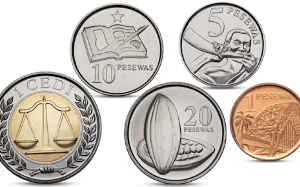
Coins might seem small and insignificant in daily transactions, but rejecting or refusing to use them can have wider economic consequences. Here’s why:
1. Disrupts Small Transactions
Coins are crucial for low-value purchases such as bus fares, snacks, or market goods. When people refuse coins, sellers often have to round prices up or give credit, which can distort pricing and create inefficiencies in the market.
2. Increases Inflationary Pressure
If coins are ignored, businesses may start rounding prices to the nearest banknote, effectively increasing costs for consumers over time. This can subtly push up the general price level, contributing to inflation.
3. Adds Burden to Businesses and Banks
Coins facilitate exact change. Rejecting them forces businesses to handle more banknotes or electronic payments, increasing counting errors, cash-handling costs, and dependency on electronic infrastructure that might not be available to everyone.
4. Weakens Monetary Policy
Central banks use coins as part of the money supply to control liquidity and implement monetary policy. If coins are hoarded or rejected, it can reduce the effectiveness of cash circulation strategies and complicate economic planning.
5. Impacts Low-Income Consumers
People with limited access to banking or mobile money rely heavily on coins for everyday purchases. Rejecting coins can marginalize these groups, making basic transactions harder and reducing their purchasing power.
6. Encourages Wastage
When coins are discarded or refused, the resources used to mint and distribute them—metal, energy, labor—go to waste, creating inefficiency in the economy.
In short, coins are more than just loose change—they are essential for smooth market operations, fair pricing, and inclusive economic participation. Rejecting them may seem convenient, but it can ripple through the economy in unexpected ways, affecting prices, accessibility, and overall financial stability.