

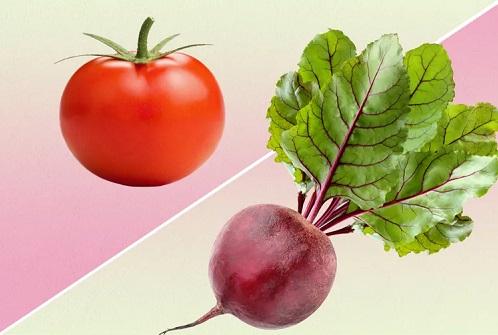
1. Tomatoes
- Key Anti-inflammatory Compounds: Lycopene, vitamin C, beta-carotene, and flavonoids.
- How They Work:
- Lycopene helps reduce markers of inflammation, particularly in chronic diseases like cardiovascular disease.
- Tomatoes may also help lower C-reactive protein (CRP) levels, an indicator of systemic inflammation.
- Additional Benefits: Antioxidant-rich, supports heart health, may protect against certain cancers.
2. Beets
- Key Anti-inflammatory Compounds: Betalains (pigments that give beets their deep red color), fiber, and antioxidants.
- How They Work:
- Betalains have strong anti-inflammatory effects, reducing oxidative stress and inflammation markers.
- Beet nitrates can improve blood flow and reduce vascular inflammation.
- Additional Benefits: Supports liver detoxification, blood pressure regulation, and may improve exercise performance.
Comparison
| Feature | Tomatoes | Beets |
|---|---|---|
| Main anti-inflammatory agent | Lycopene | Betalains |
| Best for chronic disease inflammation | Cardiovascular, some cancers | Vascular health, oxidative stress |
| Antioxidant power | High | Very high (especially betalains) |
| Daily consumption ease | Raw, cooked, sauces | Raw, juiced, roasted |
Verdict:
- Beets tend to have a slightly stronger direct anti-inflammatory effect due to betalains, especially for vascular and oxidative stress-related inflammation.
- Tomatoes are excellent too, particularly for heart health and systemic inflammation, but their effects are milder in comparison to concentrated beet compounds.
💡 Tip: Combining both in your diet—e.g., beet salad with cherry tomatoes—gives you a broad spectrum of anti-inflammatory nutrients.