

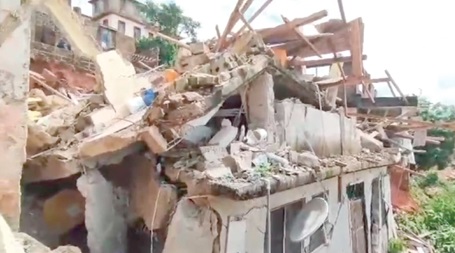
Rapid Response by Disaster Management Agency Praised as Heavy Rains Threaten Coastal Communities
A potential humanitarian disaster was narrowly avoided in Sekondi-Takoradi after swift intervention by the National Disaster Management Organisation, which ordered the evacuation of residents from high-risk flood zones ahead of rising water levels.
The emergency response, coordinated by the National Disaster Management Organisation (NADMO), is being credited with preventing significant loss of life and property as torrential rains battered parts of Ghana’s coastal belt.
Residents Moved to Safety as Water Levels Rose
According to officials, early warning signals and rapid field assessments prompted authorities to act decisively, relocating households in vulnerable areas before conditions deteriorated further.
Eyewitnesses described tense scenes as families gathered essential belongings and moved to safer locations, while emergency teams monitored drainage channels and flood-prone communities.
Authorities Praise Early Warning Systems
Disaster management officials say the situation underscores the importance of timely alerts and community compliance with evacuation directives, especially in low-lying urban settlements prone to seasonal flooding.
They noted that years of flooding incidents across parts of Ghana have reinforced the need for stronger preparedness, improved drainage infrastructure, and stricter enforcement of building regulations in high-risk zones.
Preventing a Repeat of Past Disasters
Officials emphasized that the prompt evacuation helped avoid a repeat of previous flood disasters that have claimed lives and destroyed property in similar conditions.
They are now urging residents in flood-prone areas to remain vigilant as weather patterns remain unpredictable, warning that additional rainfall could still pose risks in the coming days.
Call for Long-Term Resilience Measures
While praising the successful evacuation, experts say the incident highlights the need for long-term investment in flood control systems, urban planning, and community education on disaster preparedness.
For now, authorities maintain that the swift action by NADMO stands as a clear example of how early intervention can turn a potential catastrophe into a managed emergency.