

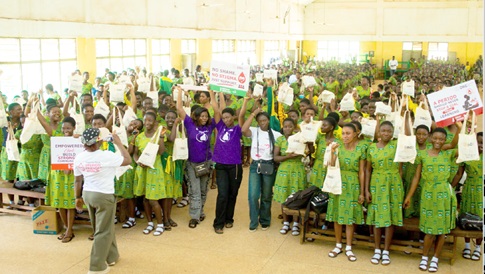
Accra, Ghana – In a major push to support girl-child education and menstrual hygiene, the Development Bank Ghana has distributed 10,000 sanitary pads to schoolgirls across four regions, sparking praise for what many describe as a timely intervention to reduce absenteeism and promote dignity in schools.
The initiative, which targets adolescent girls in underserved communities, is aimed at tackling one of the silent but persistent barriers to education—lack of access to affordable menstrual hygiene products.
Officials from the bank say the distribution forms part of its broader social impact agenda, which focuses on empowering vulnerable groups and strengthening human capital development nationwide.
Beneficiary schools reportedly welcomed the intervention with enthusiasm, with teachers noting that menstrual-related absenteeism remains a key challenge affecting academic performance and confidence among female students.
Education stakeholders and child welfare advocates have long argued that access to sanitary products is not a luxury but a necessity for ensuring equal participation in education, especially in rural and low-income communities.
The programme has therefore been hailed as a practical step toward improving school retention rates for girls while also promoting health, dignity, and gender equality.
As calls grow for more sustained interventions, observers say initiatives like this could help close long-standing gaps in educational equity if expanded and consistently supported.
For many of the beneficiaries, however, the impact is immediate and personal—offering relief, confidence, and the chance to stay in school without interruption.