

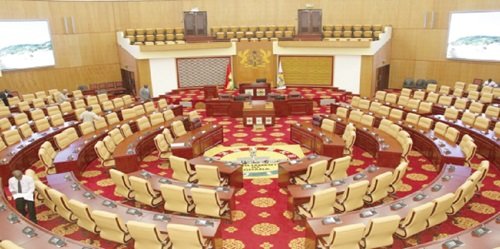
As Ghana’s Fourth Republic continues to mature, the principles of probity, accountability, social justice, and national service remain at the centre of the country’s democratic journey — ideals that were envisioned to shape a fairer, more responsible, and people-focused society.
The call for these values has remained a major part of national conversations, with citizens and leaders repeatedly emphasizing the need for integrity in public life and responsible governance.
PROBITY: THE DEMAND FOR INTEGRITY IN LEADERSHIP
Probity remains one of the strongest expectations placed on public officials — the belief that leaders must act with honesty, transparency, and a commitment to the national interest.
For many Ghanaians, the principle represents a rejection of corruption, abuse of power, and the misuse of public resources. It challenges those entrusted with authority to demonstrate ethical leadership and ensure that public office is treated as a responsibility rather than a privilege.
ACCOUNTABILITY: HOLDING POWER TO ACCOUNT
A strong democracy depends on accountability. In the Fourth Republic, institutions such as Parliament, the judiciary, the media, and civil society play critical roles in ensuring that leaders answer for their decisions and actions.
However, concerns about corruption, lack of transparency, and weak enforcement of standards continue to raise questions about whether accountability mechanisms are working effectively.
Many argue that accountability must go beyond political promises and become a daily practice embedded in public institutions.
SOCIAL JUSTICE: ENSURING EVERY CITIZEN MATTERS
Social justice remains a key measure of democratic success. It focuses on creating opportunities, reducing inequality, and ensuring that development benefits all sections of society.
Issues such as access to quality education, healthcare, employment, and economic opportunities continue to shape discussions about whether the ideals of fairness and inclusion are being achieved.
Advocates insist that democracy must not only guarantee political participation but also improve the everyday lives of citizens.
NATIONAL SERVICE: BUILDING A SHARED RESPONSIBILITY
National service has long been viewed as a tool for developing patriotism, discipline, and commitment among citizens, especially the youth.
Beyond employment placement, many believe national service should encourage a deeper sense of responsibility toward community development and national progress.
THE ROAD AHEAD
Nearly three decades into the Fourth Republic, the pursuit of probity, accountability, social justice, and national service remains an ongoing national assignment.
The challenge, observers say, is moving these ideals from speeches and constitutional aspirations into practical actions that transform institutions and improve citizens’ confidence in governance.
The future of Ghana’s democracy may ultimately depend not only on the strength of its elections but on how seriously the nation embraces the values that give democracy its meaning.