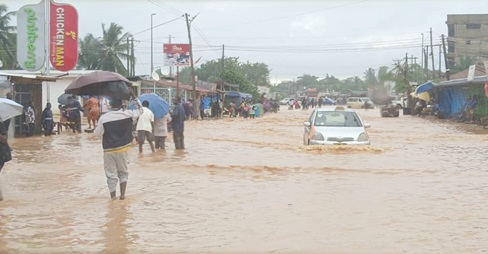

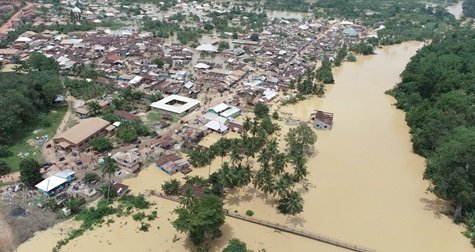
The devastating impact of flooding linked to illegal mining, popularly known as galamsey, has sparked renewed concerns over whether Ghana is now facing the consequences of years of environmental destruction.
As communities continue to grapple with floodwaters, damaged farmlands, polluted water bodies, and destroyed livelihoods, questions are being raised about the connection between uncontrolled mining activities and the country’s worsening environmental challenges.
Experts and environmental advocates have warned that the destruction of forests, riverbanks, and natural drainage systems through illegal mining has weakened the environment’s ability to withstand heavy rainfall, increasing the risk of flooding in affected areas.
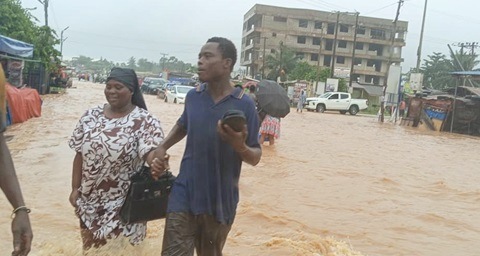
The excavation of lands and the contamination of water bodies by mining operators have left many communities vulnerable, with residents facing the painful reality of losing homes, farms, and sources of income.
Critics argue that years of neglect and weak enforcement of environmental regulations have contributed to the crisis, calling for urgent action to restore degraded lands and protect communities from further damage.
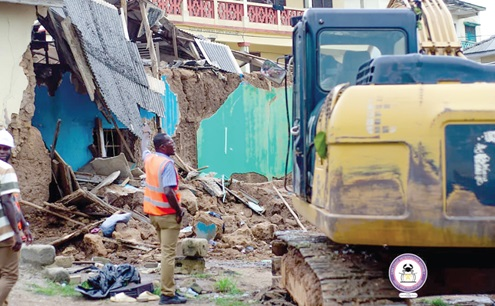
The growing debate over galamsey-induced flooding has reignited calls for stronger measures against illegal mining, improved land reclamation efforts, and sustainable environmental management.
As the nation counts the cost of the damage, one question continues to dominate public discussion: Are the floods a warning that Ghana is now reaping what it allowed to be excavated?