Category: Entertainment

  • CRACKS IN THE SYSTEM: THE FLAW IN TGMA’S CONTROVERSIAL “SWING PERIOD”

    CRACKS IN THE SYSTEM: THE FLAW IN TGMA’S CONTROVERSIAL “SWING PERIOD”

    Questions are mounting over the fairness and transparency of the “swing period” in the Telecel Ghana Music Awards, with critics arguing that the system could be distorting the true reflection of Ghana’s music landscape.

    The swing period—typically a window that allows late-year releases to be considered for the next awards cycle—was designed to ensure no major hit slips through the cracks. But instead of solving a problem, many industry insiders say it has created a new one.

    At the heart of the criticism is timing. Songs released within this swing window can enjoy extended visibility, effectively competing across two award cycles. This, critics argue, gives certain artists an unfair advantage over others whose songs fall strictly within the standard calendar period.

    The issue becomes even more glaring in categories dominated by chart performance and popularity. A song that gains momentum during the swing period can build sustained hype, increasing its chances of nominations and wins—sometimes at the expense of equally deserving tracks that don’t benefit from that extended exposure.

    Some analysts also point to confusion among fans and even stakeholders about eligibility rules, raising concerns about consistency and transparency. The lack of widespread understanding of how the swing period works has, in some cases, fueled accusations of bias and manipulation.

    Supporters of the system, however, argue that Ghana’s music release cycle doesn’t neatly align with award timelines, making the swing period a necessary compromise. Without it, late-year hits could be unfairly excluded altogether.

    Still, the growing debate suggests that reform may be inevitable. Proposals range from shortening the swing window to introducing stricter eligibility guidelines or even restructuring the awards calendar entirely.

    As the TGMA continues to shape the narrative of Ghanaian music excellence, one thing is clear: the integrity of its processes matters just as much as the winners it celebrates.

  • EDITOR’S LENS: TGMA27 — Gospel Fraternity Urged to Face Hard Truths Beyond the Spotlight

    EDITOR’S LENS: TGMA27 — Gospel Fraternity Urged to Face Hard Truths Beyond the Spotlight

    As anticipation builds toward the 27th edition of the Telecel Ghana Music Awards (TGMA27), a critical conversation is emerging within Ghana’s gospel music space — one that goes far beyond nominations, wins, and red-carpet moments.

    This year’s awards season is not just about celebration, but reflection. Observers say the gospel fraternity must confront deeper, long-standing issues that continue to shape — and in some cases limit — the growth and global impact of the genre.

    At the heart of the discussion is the question of unity versus division. Despite the genre’s spiritual foundation, internal rivalries, lack of collaboration, and public disagreements have often overshadowed its core message. Critics argue that without a stronger sense of collective purpose, the gospel industry risks stagnation.

    There are also concerns about artistic evolution and relevance. While other genres continue to innovate and expand their reach internationally, sections of the gospel community are being challenged to push creative boundaries, invest in quality production, and embrace modern platforms to stay competitive.

    Another pressing issue is recognition and structure within award schemes. Some industry players believe gospel music is still underrepresented or not fully appreciated within major award categories, sparking recurring debates each year. TGMA27, they say, presents yet another opportunity to reassess how gospel contributions are measured and honored.

    Beyond awards, the editorial lens points to a need for stronger leadership, mentorship, and industry systems to support upcoming gospel artists. Without intentional development, the next generation may struggle to break through or sustain long-term careers.

    Ultimately, the message is clear: TGMA27 should not just be a night of trophies, but a turning point. For Ghana’s gospel fraternity, the real challenge lies in confronting uncomfortable truths, embracing change, and aligning more closely with both its spiritual mission and industry realities.

  • Theatre Triumph or Overhyped Revival? “I Told You So” Storms the Stage with Bold Drama and Sharp Humor

    Theatre Triumph or Overhyped Revival? “I Told You So” Storms the Stage with Bold Drama and Sharp Humor

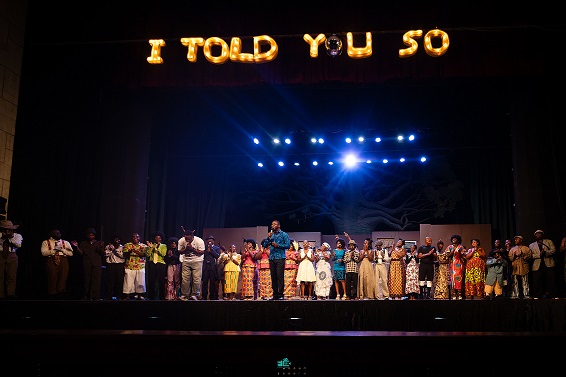
    The stage production of I Told You So doesn’t tiptoe into relevance—it bursts onto the scene with confidence, color, and a powerful sense of purpose. Reviving a beloved Ghanaian classic, the play delivers a gripping mix of nostalgia and reinvention that keeps audiences hooked from curtain rise to final bow.

    From the very first scene, the production makes a statement. The staging is bold, the lighting deliberate, and the set design cleverly bridges tradition and modern theatre. Every transition feels intentional, pulling the audience deeper into a story that is as culturally rooted as it is dramatically engaging.

    But it is the cast that truly ignites the stage. Performances are electric, with actors seamlessly shifting between humor and heartbreak. The dialogue crackles with wit, drawing laughter one moment and silence the next as the weight of the story settles in. The chemistry among the performers elevates the experience, making each scene feel alive and unpredictable.

    At its core, the play thrives on its timeless message. Themes of love, betrayal, and the consequences of ignoring advice are delivered with renewed urgency, making the story feel strikingly relevant. The production leans heavily into satire, using humor not just to entertain, but to challenge and provoke thought.

    While ambitious in its execution, the play occasionally pushes its limits. Some transitions feel rushed, and a few creative risks don’t land as smoothly as intended. Yet these moments do little to diminish the overall impact. If anything, they highlight the production’s willingness to experiment and push boundaries.

    Audience response has been overwhelmingly enthusiastic, with many praising the play for breathing new life into a familiar story. It stands as proof that Ghanaian theatre is not just preserving its past—it is actively redefining it.

    In the end, I Told You So is more than a revival. It is a bold, energetic, and emotionally charged production that demands attention.

    Verdict: A daring and captivating stage experience that blends culture, comedy, and drama into a performance that lingers long after the curtains close.

  • Prayer and Faith Saved Me — Agradaa Speaks After Prison Release

    Prayer and Faith Saved Me — Agradaa Speaks After Prison Release

    Controversial evangelist Nana Agradaa has broken her silence following her release from prison, describing the experience as frightening, humbling, and deeply spiritual.

    She revealed that fear overwhelmed her when she was first taken into custody, admitting she thought she might not survive the ordeal. Faced with uncertainty and a long sentence, she said she turned completely to prayer as her only source of hope.

    According to Agradaa, the moment she learned of her sentence left her in shock, forcing her to rely on her faith to cope with the harsh reality of prison life. She spent much of her time reading the Bible and reflecting on stories of people who endured imprisonment but eventually found freedom.

    She insists that her release was nothing short of divine intervention, crediting constant prayer and unwavering belief in God for seeing her through the darkest period of her life.

    Now out of prison, Agradaa says the experience has changed her perspective, leaving her with a renewed commitment to her faith and a stronger sense of purpose moving forward.

  • Tears and Tributes: K.K. Fosu Bids Final Farewell as He Lays Father to Rest

    Tears and Tributes: K.K. Fosu Bids Final Farewell as He Lays Father to Rest

    Grief and solemn emotion filled the air as highlife star K.K. Fosu laid his beloved father to rest in a deeply moving ceremony attended by family, friends, and figures from Ghana’s entertainment scene. The occasion was marked by heartfelt tributes, music, and moments of reflection as the singer said his final goodbye.

    Dressed in mourning attire, K.K. Fosu was seen visibly emotional as he paid his respects, honoring the man he described as a pillar in his life and career. Loved ones gathered to celebrate the life of the deceased, sharing stories of his impact, values, and the legacy he leaves behind.

    The burial ceremony drew notable personalities from the music industry, many of whom came to support the grieving artist and stand in solidarity during the difficult moment. Traditional rites blended with modern tributes, creating a powerful farewell that underscored the importance of family, culture, and remembrance.

    As the final rites were performed, the atmosphere shifted from sorrow to quiet strength, with mourners urging K.K. Fosu to stay strong and carry forward his father’s legacy.

    The emotional send-off serves as a reminder of the deep personal moments behind public figures, showing that beyond the spotlight, they too endure life’s most painful losses.


  • CELEBRITY CLASH IGNITES: Sammy Flex FIRES SHOT AT Stonebwoy — “MATURITY ISN’T IN SUIT AND TIE!”

    CELEBRITY CLASH IGNITES: Sammy Flex FIRES SHOT AT Stonebwoy — “MATURITY ISN’T IN SUIT AND TIE!”

    Tensions are heating up in Ghana’s entertainment scene as outspoken pundit Sammy Flex takes a direct swipe at dancehall heavyweight Stonebwoy over his controversial “Kotoko and Hearts” remark.

    In a bold and fiery statement, Sammy Flex dismissed the notion that appearance equals wisdom, declaring that “maturity isn’t in suit and tie”—a clear jab aimed at Stonebwoy’s perceived stance. The comment has since sparked a storm online, with fans of both camps diving into heated debates.

    The controversy stems from Stonebwoy’s remarks referencing Ghana’s biggest football rivals—Asante Kotoko and Hearts of Oak—a comparison that didn’t sit well with critics who felt it carried deeper implications.

    Social media has since exploded, with supporters dissecting every word and tone, turning what seemed like a casual comment into a full-blown celebrity showdown.

    Is this just playful banter or the start of a deeper rift in the industry? One thing is certain: when voices like Sammy Flex and Stonebwoy collide, the spotlight gets hotter—and the drama louder.


  • BLACK SHERIF SET TO TAKE THE WORLD CUP BY STORM WITH MUSIC, FASHION, AND FOOTBALL FLAIR

    BLACK SHERIF SET TO TAKE THE WORLD CUP BY STORM WITH MUSIC, FASHION, AND FOOTBALL FLAIR

    Black Sherif is gearing up for a multi-dimensional showcase ahead of the upcoming FIFA World Cup, blending his signature musical style with fashion statements and a love for football. The rising star has become synonymous with creativity that transcends genres, and now he’s taking that energy onto the global stage.

    Fans can expect more than just music. Black Sherif has teased collaborations that merge streetwear aesthetics with his distinct sound, creating a visual and auditory experience designed to celebrate football culture while highlighting his personal brand. The artist’s influence stretches beyond the studio, with social media buzzing over his World Cup-inspired fashion drops and event appearances.

    Known for hits that have dominated charts and captivated audiences worldwide, Black Sherif is leveraging the global spotlight of the World Cup to push cultural boundaries. From curated playlists to live performances and football-themed activations, he’s crafting an immersive experience that fuses sport, style, and sound.

    Industry analysts say this approach positions Black Sherif as a next-generation cultural icon, capable of bridging entertainment sectors and connecting with fans on multiple levels. For football lovers, music enthusiasts, and fashion followers alike, the World Cup promises to be more than a sporting spectacle—it’s set to become a full-scale celebration of Black Sherif’s artistry and influence.

    @okayafrica

    🇬🇭 🎶 We linked up with @BLACKO at the Black Stars x Puma kit reveal in New York ahead of the 2026 World Cup 🔥 He shared his excitement about Ghana’s World Cup journey and dropped some jersey styling tips 👀 How far do you think Ghana will go? ⬇️ 🎤 @zeebeezeezoo #OkayAfrica #GhanaTikTok #BlackSheriff #WorldCup #Football

    ♬ original sound – okayafrica

  • Stonebwoy Steps In to Console Woman After Bodyguard Shoves Her at Event

    Stonebwoy Steps In to Console Woman After Bodyguard Shoves Her at Event

    Dancehall star Stonebwoy intervened to comfort a woman who was pushed aside by one of his bodyguards during a recent public event, a moment that quickly drew public attention and sparked debate online.

    The incident unfolded when the woman approached Stonebwoy, and in the ensuing crowd, a bodyguard forcefully moved her out of the way — an action that was captured on video and shared widely. Rather than ignoring the situation, Stonebwoy paused to check on the woman’s wellbeing, offering reassuring words and a supportive gesture as she regained her composure.

    The exchange was widely praised by observers, who interpreted the artist’s response as compassionate and respectful, and a contrast to the initial rough handling by security. Many viewers of the video noted that Stonebwoy’s quick attention helped defuse what could have been a more tense moment.

    As footage of the interaction circulates on social media, fans and followers are talking about both the importance of respectful security conduct and the significance of Stonebwoy’s empathetic reaction in a crowded public setting.

    @newspoint_247live

    LIVE 🔥 Stonebwoy #Ghana #BlackStars #WorldCup2026 #Stonebwoy #NewsPoint247Live

    ♬ original sound – NewsPoint_24/7Live

  • Shatta Wale Calls on Ghanaian Youth to Turn to Agribusiness — Says Farming Can Be the New Goldmine

    Shatta Wale Calls on Ghanaian Youth to Turn to Agribusiness — Says Farming Can Be the New Goldmine

    In a surprising shift from music to motivation, dancehall superstar Shatta Wale is urging Ghanaian youth to embrace agribusiness as a pathway to financial independence and national development. The controversial musician, known for his bold personality and chart-topping hits, has been speaking passionately about the potential of agriculture to transform the economy and create wealth for young people.

    Addressing a gathering of youth leaders and entrepreneurs, Shatta Wale emphasized that farming is no longer just a traditional occupation but a lucrative business opportunity that can rival the entertainment industry in profitability. He encouraged young Ghanaians to explore modern farming techniques, invest in agribusiness ventures, and leverage technology to scale production and access markets.

    “Music and fame are great, but agriculture feeds the nation and builds real wealth. Young people should see the farm as a goldmine waiting to be tapped,” Shatta Wale told attendees.

    The artist’s call comes amid rising unemployment and a push by the government to involve more youth in agriculture as part of national development initiatives. His message has sparked conversation online, with fans and followers weighing in on whether Ghana’s youth are ready to embrace farming as a serious business.

    Shatta Wale’s intervention highlights a growing trend of influential personalities using their platforms to promote agribusiness, signaling that farming could become the next frontier for ambitious young Ghanaians.

    @datnews_

    LIVE | “I tell people, when you’re disciplined and focused, there’s more money to be made in Ghana.” — Shatta Wale at the Youth in Palm Plantation programme at the Mövenpick Ambassador Hotel. — #dailyafricatoday #datnews

    ♬ original sound – DAT News

  • Traditional authorities of the Ga-Adangbe have issued a stern warning to media personality Afia Schwarzenegger, sending shockwaves through Ghana’s entertainment and social media landscape.

    Traditional authorities of the Ga-Adangbe have issued a stern warning to media personality Afia Schwarzenegger, sending shockwaves through Ghana’s entertainment and social media landscape.

    The leaders expressed deep concern over recent comments and actions by Afia Schwarzenegger, cautioning her to tread carefully and respect cultural and community sensitivities. Their message is firm: words carry weight, and public figures must be mindful of their influence on society.

    “Respect Tradition or Face Backlash”

    In a strongly worded statement, the Ga-Adangbe chiefs emphasized that certain remarks or social media posts can inflame tensions and offend cultural values. Afia Schwarzenegger, known for her bold and sometimes controversial style, was urged to exercise discretion and uphold respect for the traditions of the Ga-Adangbe people.

    Public Reaction Ignites Debate

    The caution has ignited discussions online, with some applauding the chiefs for defending cultural integrity, while others argue that media personalities should retain the freedom to express themselves—even when it ruffles feathers.

    The Stakes Are High

    With Afia Schwarzenegger’s comments already trending across social media, the warning from Ga-Adangbe leaders signals a potential clash between celebrity influence and traditional authority. Many are now watching closely to see if the outspoken personality responds or adjusts her approach in deference to the chiefs’ call.

    The unfolding drama highlights the delicate balance between freedom of expression and cultural respect in Ghana’s vibrant media landscape.