Author: Daniel Sasu

  • Pressure Mounts on Health Minister as LPG Demands Immediate Reinstatement of KATH CEO

    Pressure Mounts on Health Minister as LPG Demands Immediate Reinstatement of KATH CEO

    Political Group Calls for Swift Action, Warns Against Decisions That Could Affect Healthcare Delivery

    The Liberal Party of Ghana (LPG) has called on the Health Minister to immediately reinstate the Chief Executive Officer of Komfo Anokye Teaching Hospital (KATH), arguing that the decision to remove the hospital boss could have serious implications for the management and delivery of healthcare services.

    In a strongly worded appeal, the party urged the minister to reconsider the move, describing the CEO as a key figure whose leadership has contributed significantly to the growth and operational stability of one of Ghana’s largest referral hospitals.

    LPG Raises Concerns Over Leadership Changes

    According to the party, abrupt changes in leadership at critical national institutions such as KATH risk disrupting ongoing projects, administrative reforms, and healthcare services relied upon by thousands of patients across the country.

    The LPG stressed that decisions affecting major public health facilities should be guided by transparency, due process, and the broader national interest rather than political considerations.

    Call for Stability at KATH

    Party officials emphasized the importance of maintaining stability at the hospital, noting that KATH plays a vital role in Ghana’s healthcare system by providing specialized medical services, training health professionals, and supporting medical research.

    The group believes continuity in leadership is essential to sustaining ongoing improvements and ensuring that patients continue to receive quality healthcare without unnecessary disruptions.

    Growing Debate Over the CEO’s Removal

    The call by the LPG adds to the growing public discussion surrounding the circumstances of the CEO’s removal, with stakeholders from various sectors expressing differing views on the matter.

    While some have questioned the rationale behind the decision, others maintain that the government has the authority to make administrative changes within public institutions when deemed necessary.

    Attention Turns to the Health Ministry

    As pressure continues to build, all eyes are now on the Health Ministry and whether it will respond to the LPG’s appeal.

    Observers say the outcome of the controversy could have wider implications for governance within the health sector and may influence public confidence in the management of key state institutions.

    For now, the debate remains active, with calls intensifying for dialogue, transparency, and a resolution that prioritizes the interests of patients, healthcare workers, and the nation’s health system.
  • PRESSURE MOUNTS: CSOs Demand Clear Roadmap for 1992 Constitution Review

    PRESSURE MOUNTS: CSOs Demand Clear Roadmap for 1992 Constitution Review

    Civil Society Groups Push for Action, Transparency as Calls for Constitutional Reforms Grow Louder

    A coalition of Civil Society Organizations (CSOs) has intensified pressure on authorities to provide a clear and comprehensive roadmap for the long-awaited review of Ghana’s 1992 Constitution, warning that uncertainty could derail crucial national reforms.

    The groups are demanding greater transparency, firm timelines, and a clear implementation strategy to guide the constitutional review process, which many believe is critical to strengthening governance, accountability, and democratic development.

    “GHANAIANS DESERVE CLARITY”

    CSO leaders argue that citizens have waited too long for meaningful progress on constitutional reforms and deserve to know exactly how the review process will be conducted and when key milestones will be achieved.

    According to the organizations, a well-defined roadmap would boost public confidence, encourage stakeholder participation, and prevent the process from becoming stalled by political or administrative delays.

    KEY REFORMS AT STAKE

    The renewed calls come amid ongoing debates over governance structures, decentralization, electoral reforms, and the balance of powers within the country’s democratic framework.

    Many reform advocates believe revisiting aspects of the 1992 Constitution could help address long-standing governance challenges and modernize institutions to meet current national needs.

    DEMAND FOR INCLUSIVE CONSULTATIONS

    The CSOs are also calling for broad public engagement to ensure that citizens, traditional authorities, professional bodies, youth groups, and other stakeholders have a meaningful voice in shaping any proposed amendments.

    They insist that constitutional reform must not be limited to political elites but should reflect the aspirations and concerns of all Ghanaians.

    TIME RUNNING OUT?

    Observers warn that continued delays in outlining a clear path forward could weaken public trust in the reform agenda and fuel skepticism about the government’s commitment to constitutional change.

    With expectations rising across the country, pressure is mounting on authorities to move beyond promises and present a concrete plan that demonstrates how the review process will unfold.

    NATION WAITS FOR NEXT MOVE

    As debate over constitutional reforms gathers momentum, all eyes are now on policymakers to provide the clarity, direction, and leadership that many believe are necessary to deliver one of Ghana’s most significant democratic reforms in decades.

    The question on many minds remains: When will the roadmap finally be unveiled?

  • What NPP Faithful Should Expect From Leadership

    What NPP Faithful Should Expect From Leadership

    As the New Patriotic Party (NPP) navigates its future and prepares for upcoming political challenges, party faithful will be looking to the leadership for direction, unity, and renewed purpose. Expectations are naturally high, particularly at a time when supporters are eager to see the party strengthen its structures and reconnect with its grassroots base.

    One of the key expectations is strong and transparent leadership that prioritizes the interests of the party and the nation. Supporters want leaders who are accessible, accountable, and committed to addressing concerns raised by members at all levels.

    Party faithful will also expect unity among the leadership ranks. Internal cohesion is often viewed as essential for building confidence within the party and presenting a clear vision to the electorate. Leaders are therefore expected to foster collaboration, resolve differences constructively, and promote a sense of shared purpose.

    Another major expectation is effective communication. Members want regular engagement on party policies, decisions, and strategic plans. Clear communication helps build trust and ensures that supporters remain informed and motivated.

    Grassroots empowerment is equally important. Many party members expect leadership to strengthen local structures, create opportunities for participation, and ensure that the voices of ordinary supporters are heard in decision-making processes.

    In addition, supporters will be looking for innovative policies and practical solutions to national challenges. Leadership is expected to articulate a compelling vision for economic growth, job creation, education, healthcare, and other issues that directly affect citizens.

    Ultimately, NPP faithful will judge their leaders not only by their promises but also by their ability to deliver results, inspire confidence, and position the party for future success. As expectations continue to rise, the leadership’s actions in the coming months and years will play a crucial role in shaping the party’s direction and fortunes.

  • ADA MP SOUNDS ALARM: Public Institutions Must Improve Service Delivery or Risk Failing Citizens

    ADA MP SOUNDS ALARM: Public Institutions Must Improve Service Delivery or Risk Failing Citizens

    Lawmaker Demands Urgent Action as Concerns Grow Over Efficiency and Accountability

    The Member of Parliament for Ada has issued a strong call to public institutions to step up their performance and improve service delivery, warning that citizens deserve better access to efficient, responsive, and accountable public services.

    Speaking at a public engagement, the legislator stressed that government agencies and institutions must prioritize the needs of the people and ensure that services are delivered promptly and effectively.

    “THE PEOPLE DESERVE BETTER”

    The MP expressed concern over challenges that continue to affect service delivery in various sectors, emphasizing that delays, inefficiencies, and poor customer service undermine public confidence in state institutions.

    According to the lawmaker, institutions have a responsibility to meet the expectations of the communities they serve and must work tirelessly to improve their operations.

    CALL FOR GREATER ACCOUNTABILITY

    The Ada MP urged public officials and administrators to embrace transparency, professionalism, and accountability in carrying out their duties.

    The legislator noted that improving service delivery is essential for national development, economic growth, and public trust, adding that citizens should not have to struggle to access basic services.

    PRESSURE MOUNTS ON PUBLIC AGENCIES

    The remarks come at a time when many citizens have voiced concerns about bureaucratic delays and challenges in accessing essential public services.

    Observers say the call reflects growing demands for reforms that will make institutions more responsive, efficient, and citizen-focused.

    A WAKE-UP CALL FOR CHANGE

    The MP’s message serves as a clear reminder that public institutions exist to serve the people and that excellence in service delivery must remain a top priority.

    As expectations continue to rise, many will be watching closely to see whether agencies heed the call and take concrete steps to improve performance and restore public confidence.

  • DRAMA IN PARLIAMENT: Health Minister Akandoh Finally Reveals Why KATH CEO Was Suspended

    DRAMA IN PARLIAMENT: Health Minister Akandoh Finally Reveals Why KATH CEO Was Suspended

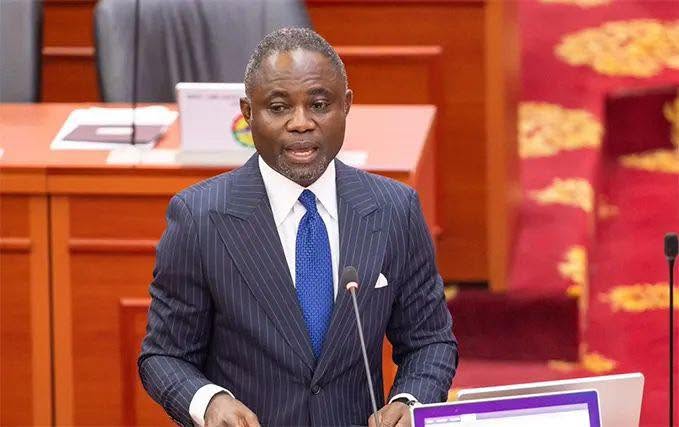
    A major controversy surrounding the leadership of Komfo Anokye Teaching Hospital took center stage in Parliament as Ghana’s Health Minister, Kwabena Mintah Akandoh, publicly explained the reasons behind the suspension of the hospital’s Chief Executive Officer.

    Addressing lawmakers amid growing public interest in the matter, Akandoh stated that the decision was taken after concerns were raised regarding the administration and management of the premier health facility. According to the Minister, the suspension was necessary to allow for investigations and ensure due process without interference.

    The announcement has sparked intense debate among politicians, healthcare professionals, and members of the public, with many demanding greater transparency about the circumstances that led to the dramatic move.

    Parliamentarians reportedly sought clarity on whether the suspension was linked to administrative lapses, governance issues, or other concerns within the hospital’s operations. In response, the Minister emphasized that the action was not intended as a declaration of guilt but rather a procedural step aimed at facilitating a fair and thorough review of the issues under investigation.

    The development has placed one of Ghana’s most important healthcare institutions under the spotlight, with observers closely monitoring the outcome of any ongoing inquiries. The suspension has also reignited discussions about accountability, leadership standards, and governance within public health institutions.

    As the controversy unfolds, stakeholders across the health sector are awaiting the findings of the investigations, which could determine the future of the suspended CEO and potentially shape reforms within the hospital’s administration.

    For now, all eyes remain on Parliament and the Health Ministry as Ghanaians seek answers on a decision that has generated widespread attention and raised critical questions about the management of the country’s healthcare system.

  • “Democracy Under Threat?” – NPP Accuses Government of Undermining Rule of Law

    “Democracy Under Threat?” – NPP Accuses Government of Undermining Rule of Law

    Opposition Party Raises Alarm Over Governance Concerns, Demands Respect for Constitutional Principles

    The opposition New Patriotic Party (NPP) has launched a strong criticism of the government, accusing it of actions that allegedly undermine the rule of law and threaten the foundations of Ghana’s democratic governance.

    In a sharply worded statement, party officials expressed concern over what they describe as a growing pattern of decisions and actions that disregard established legal processes and constitutional principles.

    NPP Sounds Warning Over Democratic Institutions

    According to the party, the strength of any democracy depends on the independence of its institutions and strict adherence to the rule of law. The NPP argues that recent developments have raised serious questions about accountability, transparency, and respect for due process.

    Party leaders warned that any attempt to weaken democratic institutions could have far-reaching consequences for governance and public confidence in the country’s legal and political systems.

    Calls for Constitutional Compliance

    The NPP is urging the government to demonstrate a stronger commitment to constitutional governance and to ensure that all actions taken by state institutions are consistent with the laws of the country.

    The party maintains that preserving the rule of law is essential for maintaining peace, stability, and investor confidence, stressing that no individual or institution should be seen as operating above the law.

    Political Tensions Intensify

    The accusations come amid heightened political debate over governance, accountability, and the performance of state institutions. The latest comments are expected to fuel further discussion among political observers, civil society groups, and the wider public.

    Supporters of the opposition argue that raising concerns about the rule of law is necessary to safeguard democratic values, while government supporters have often defended the administration’s actions as lawful and in the national interest.

    Public Attention Turns to Government Response

    With the allegations now in the spotlight, attention is shifting to how the government will respond to the concerns raised by the NPP.

    Political analysts say the issue is likely to remain a major talking point in the national discourse as both sides continue to debate the state of governance and the future direction of Ghana’s democracy.

    As the political temperature rises, many Ghanaians will be watching closely to see whether the dispute leads to further confrontation or renewed calls for dialogue and institutional reforms.

  • RISE-Ghana Pushes for Higher MMDA Administrative Cap, Says Stronger Oversight Is Crucial

    RISE-Ghana Pushes for Higher MMDA Administrative Cap, Says Stronger Oversight Is Crucial

    The debate over local governance and accountability has taken center stage as RISE-Ghana calls for an increase in the administrative expenditure cap for Ghana’s Metropolitan, Municipal and District Assemblies (MMDAs), arguing that stronger oversight mechanisms are essential for effective local development.

    According to the organization, the current spending limits placed on administrative activities may be restricting the ability of MMDAs to adequately monitor projects, supervise contractors, and ensure public funds are used efficiently. RISE-Ghana believes that without sufficient resources for administration and oversight, development projects risk delays, poor execution, and reduced accountability.

    The group contends that effective governance requires more than just allocating funds for infrastructure and development projects. It also demands robust monitoring systems, regular field inspections, performance evaluations, and transparent reporting structures—all of which depend on adequate administrative funding.

    Speaking on the issue, RISE-Ghana stressed that strengthening oversight functions would help improve service delivery, reduce waste, and enhance public confidence in local government institutions. The organization maintains that increasing the administrative cap should not be viewed as unnecessary bureaucracy, but rather as an investment in accountability and project quality.

    The call comes amid growing discussions about fiscal decentralization and the need to empower local authorities to respond more effectively to community needs. Advocates argue that well-resourced MMDAs are better positioned to track development outcomes and ensure taxpayers receive value for money.

    However, the proposal is likely to spark debate among policymakers and citizens, with some expected to raise concerns about balancing administrative costs against direct development spending.

    As conversations continue, RISE-Ghana insists that stronger oversight is not a luxury but a necessity, emphasizing that sustainable development depends on institutions having the capacity to monitor, evaluate, and account for every cedi spent on behalf of the public.

    With pressure mounting for greater transparency and efficiency in local governance, the organization believes increasing the MMDA administrative cap could be a key step toward achieving stronger accountability and better development outcomes across Ghana.

  • “Your Country Is Still Underdeveloped!” — South Africa’s Jacinta Blasts Africans Supporting Mexico in Heated Social Media Clash

    “Your Country Is Still Underdeveloped!” — South Africa’s Jacinta Blasts Africans Supporting Mexico in Heated Social Media Clash

    A fiery online exchange has erupted after South African public commentator Jacinta criticized Africans who showed support for Mexico, sparking widespread debate across social media platforms.

    In a blunt and emotionally charged remark, Jacinta reportedly lashed out at sections of African users backing Mexico in a recent online discussion, accusing them of ignoring challenges within their own continent while celebrating foreign nations.

    “Your country is still underdeveloped,” she was quoted as saying in the viral exchange, a comment that immediately triggered backlash and counter-reactions online.

    The statement quickly spread across platforms, dividing opinion sharply. Some users defended her sentiment, arguing that Africans should prioritize unity and development within Africa rather than engaging in heated cross-continental online debates. Others, however, condemned the remark as disrespectful and overly dismissive, saying it unfairly generalizes entire populations and ignores the complexity of personal opinions and global solidarity.

    The controversy has also reignited broader discussions about nationalism, identity, and online tribalism, especially in sports and political conversations where supporters often align passionately with countries beyond their own.

    Critics say the tone of Jacinta’s comment risks deepening divisions, while supporters insist she was highlighting a frustration shared by some who believe Africans should focus more on local development narratives instead of external allegiances.

    As reactions continue to pour in, the incident has become another example of how quickly social media debates can escalate into continental conversations about pride, perception, and identity.

    For now, the clash remains unresolved, with users across Africa and beyond weighing in on whether Jacinta’s remarks were a harsh truth—or a step too fa

  • SHOCK AND SORROW: Popular Ghanaian Fashion Icon & Former Miss Malaika Queen Reportedly Passes Away

    SHOCK AND SORROW: Popular Ghanaian Fashion Icon & Former Miss Malaika Queen Reportedly Passes Away

    The Ghanaian entertainment and fashion community has been thrown into mourning following reports that a popular fashion icon and former Miss Malaika Ghana queen has passed away.

    News of her death, which began circulating on social media, has sparked an outpouring of grief from fans, colleagues, and admirers who remember her for her elegance, stage presence, and influence in Ghana’s beauty and fashion space.

    She first rose to prominence after competing in the Miss Malaika Ghana pageant, a platform that has launched several notable figures into Ghana’s entertainment and fashion industries. Her time in the spotlight earned her recognition not only for her beauty but also for her charisma and growing influence in style and public appearances.

    Tributes have begun pouring in online, with many describing her as a “graceful trendsetter” and a “symbol of inspiration” to young women aspiring to enter the fashion and pageantry world. Others have expressed shock at the suddenness of the news, calling for confirmation and more details surrounding the circumstances of her passing.

    As the news continues to spread, official confirmation and further details are being awaited from family members or relevant authorities. For now, the fashion community remains in mourning, remembering a figure who once lit up the pageant stage and left a lasting impression on Ghana’s beauty culture.

  • “I Was the One Who Blocked Him!” – Benedicta Gafah Fires Back at Obinim in Explosive Rebuttal

    “I Was the One Who Blocked Him!” – Benedicta Gafah Fires Back at Obinim in Explosive Rebuttal

    Actress Claps Back After Claims of Being Blocked, Sparks Fresh Drama in Public Exchange

    Ghanaian actress Benedicta Gafah has set social media ablaze after firing back at controversial preacher Bishop Daniel Obinim, rejecting claims that she was the one who got blocked and insisting instead that she took the bold step of cutting ties herself.

    In a fiery response that has quickly gone viral, the actress dismissed circulating narratives suggesting she was snubbed or shut out by the popular pastor, turning the story on its head with a blunt counter-claim: she was the one who blocked him.

    Social Media Sparks as Fans React to Sudden Twist

    The unexpected revelation has triggered widespread debate online, with fans dissecting every detail of the exchange and weighing in on the long-running tensions and rumored interactions between the two public figures.

    While neither party has provided full context behind the alleged fallout, the latest comments have reignited public curiosity about what may have transpired behind the scenes.

    From Silence to Firestorm

    What was once a quiet rumor has now escalated into a full-blown public spectacle, with Benedicta Gafah’s remarks adding fuel to an already heated conversation.

    Observers say the actress’s tone suggests she is keen to set the record straight and reclaim control of the narrative, especially as speculation continues to swirl.

    Drama Unfolds in the Public Eye

    As the back-and-forth continues to trend, fans are calling for clarity while others treat the exchange as the latest chapter in celebrity drama dominating Ghana’s entertainment space.

    For now, both figures remain at the center of attention as social media users eagerly await any further response—or possible rebuttal—from Bishop Obinim himself.

    One thing is clear: this latest twist has turned a simple claim into a headline-grabbing showdown, with no signs of slowing down.