Author: Daniel Sasu

  • “HE CALLED AND SAID…” — WOMAN RECOUNTS DRAMATIC COURT ENCOUNTER, REVEALS MONEY STAKED

    “HE CALLED AND SAID…” — WOMAN RECOUNTS DRAMATIC COURT ENCOUNTER, REVEALS MONEY STAKED

    A courtroom moment has sparked attention after a woman recounted a tense encounter, revealing details of a phone call that allegedly preceded the incident and the amount of money involved.

    According to her account, the situation escalated after she received a call in which the caller made a specific request tied to the unfolding dispute. “He called and said…” she told the court, pausing as she described how the conversation influenced events that followed.

    Her testimony has added a dramatic twist to the case, with observers closely following the proceedings as new details emerge about the circumstances leading up to the court hearing.

    The woman further disclosed the amount allegedly staked in connection with the matter, a revelation that appeared to surprise those present in the courtroom and shifted attention to the financial dimensions of the dispute.

    Legal observers say the testimony could become a key piece of evidence as the court examines the sequence of events and the relationships between the parties involved.

    The case continues to draw interest, with each hearing bringing fresh claims and counterclaims as the court works to establish what truly transpired.

    For now, the woman’s emotional recounting and the alleged financial stakes have added new intensity to a case already marked by tension and public curiosity.

  • “The First Duty of a Husband Is Not to Love His Wife!” – Pastor Bisi Adewale Sparks Heated Debate With Bold Marriage Claim

    “The First Duty of a Husband Is Not to Love His Wife!” – Pastor Bisi Adewale Sparks Heated Debate With Bold Marriage Claim

    Controversial Relationship Teaching Ignites Reactions Across Social Media and Faith Circles

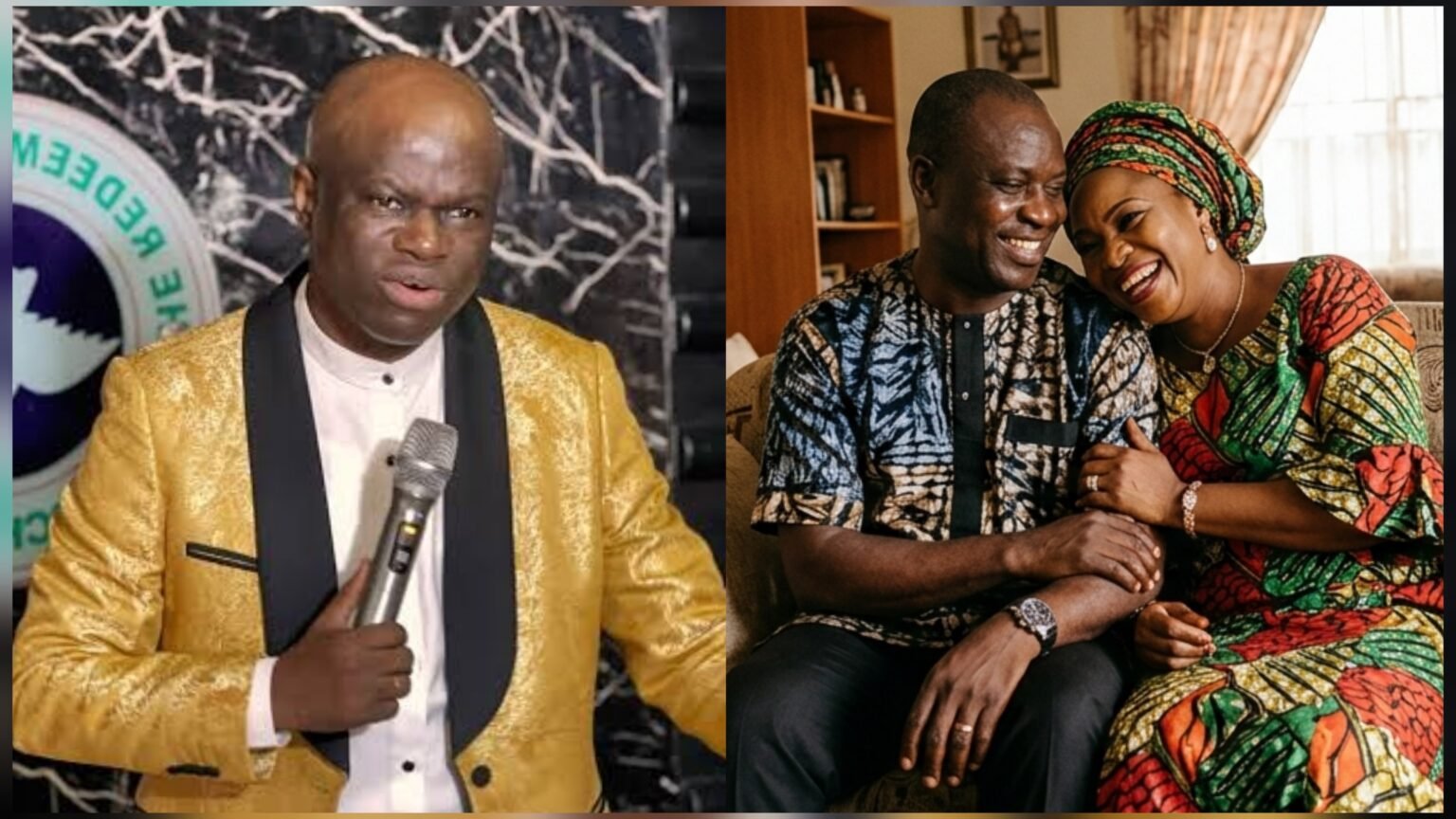
    Nigerian relationship coach and preacher Bisi Adewale has stirred widespread debate after declaring that “the first duty of a husband is not to love his wife,” a statement that has quickly gone viral and triggered intense reactions online.

    The remark, delivered during a marriage teaching session, has been widely shared and dissected across social media platforms, with many questioning its meaning, intent, and implications for marital relationships.

    “Duty Comes Before Emotion,” He Suggests

    In his teaching, Pastor Adewale emphasized what he described as the structure of responsibility within marriage, arguing that a husband’s primary obligation is rooted in duty, leadership, and provision rather than emotional expression alone.

    He suggested that love, as commonly understood in emotional terms, should not be the starting point of marital responsibility, insisting instead that commitment, discipline, and responsibility form the foundation of a stable home.

    Social Media Divided Over Statement

    The statement has sparked a wave of mixed reactions, with some users agreeing that marriage should be grounded in responsibility and structure, while others argue that emotional love is central and cannot be separated from marital duty.

    Critics say the phrasing risks being misunderstood and could encourage cold or transactional interpretations of marriage, while supporters insist the message is about prioritizing responsibility over fleeting emotions.

    Renewed Debate on Marriage Teachings

    The comments have reopened broader conversations about modern marriage teachings, particularly within religious and cultural spaces where definitions of love, duty, and leadership often intersect.

    Relationship experts note that such statements frequently generate controversy because they challenge widely held beliefs about emotional connection being the core of marital unions.

    A Statement Still Echoing Online

    As the debate continues to trend, Pastor Adewale’s words remain a focal point of discussion, with many awaiting further clarification or expanded teaching to better understand the context behind the controversial claim.

    For now, the statement has succeeded in doing what few relationship teachings do: igniting a global conversation about what marriage truly demands from both partners.

  • “I KEPT DOLLARS, POUNDS AND NAIRA!” — Woman in Tears After Shattering Savings Box, Finds Only ₦12,000 Inside

    “I KEPT DOLLARS, POUNDS AND NAIRA!” — Woman in Tears After Shattering Savings Box, Finds Only ₦12,000 Inside

    Emotional breakdown after shocking discovery

    A woman has reportedly been left devastated after breaking open her long-term savings box, only to discover a shockingly small amount of money compared to what she believed she had saved.

    In a tearful account, she claimed she had been steadily storing a mix of foreign and local currencies — including dollars, pounds, and naira notes — in the box over a long period, expecting a substantial financial cushion.

    However, what she found instead has left her stunned: just ₦12,000 inside.

    “THIS CANNOT BE MY MONEY” — DISBELIEF AND SHOCK

    According to her account, the moment the box was opened quickly turned from anticipation to disbelief. She reportedly struggled to understand how years of savings could amount to such a small sum.

    “I kept dollars, pounds and even naira notes in there,” she was quoted as saying, still grappling with the outcome of the discovery.

    QUESTIONS OVER WHAT HAPPENED TO THE SAVINGS

    The incident has sparked widespread reactions, with many questioning whether the money was misplaced, removed over time, or simply miscounted due to poor record-keeping.

    Some observers suggest the case highlights a common issue with informal savings methods, where lack of documentation and tracking can lead to confusion and disappointment.

    ONLINE REACTIONS POUR IN

    The story has triggered a wave of reactions on social media, with users sharing similar experiences of forgotten withdrawals, misplaced cash, and underestimated spending habits.

    While some expressed sympathy, others urged better financial discipline and the use of more secure savings systems.

    A HARD LESSON IN INFORMAL SAVING

    The incident serves as a stark reminder of the risks of untracked cash storage, especially when multiple currencies and long time periods are involved.

    For the woman at the center of the story, however, the experience has been a painful and unforgettable financial shock.

  • “DON’T MARRY SOMEONE YOU DATED” — WOMAN’S SHOCKING ADVICE STIRS HEATED DEBATE ONLINE

    “DON’T MARRY SOMEONE YOU DATED” — WOMAN’S SHOCKING ADVICE STIRS HEATED DEBATE ONLINE

    A bold and controversial piece of relationship advice has set social media ablaze after a woman advised people not to marry anyone they have dated, describing it as a mistake that often leads to disappointment.

    The statement, which has quickly gone viral, has sparked intense debate among users, with many questioning whether modern dating really prepares couples for long-term commitment—or if it simply exposes incompatibilities that should not be ignored.

    According to the woman’s view, dating can sometimes create illusions of compatibility that fade after marriage, when real-life pressures such as finances, responsibilities, and family expectations begin to surface. She argued that what people experience during dating is often not a full reflection of married life.

    Her comments have divided opinion sharply. Some social media users agree, saying dating relationships can sometimes mask deeper issues that only become apparent after marriage. Others strongly disagree, insisting that dating is actually essential for understanding a partner before making a lifelong commitment.

    Relationship experts and commentators have also weighed in indirectly through online discussions, noting that while dating does not guarantee marital success, it remains one of the most important stages for evaluating compatibility, communication, and values.

    The viral nature of the advice has turned it into a wider conversation about love, expectations, and the realities of modern relationships, with users sharing personal experiences to support or challenge the claim.

    As the debate continues to trend, one thing is clear: the question of whether dating is a foundation for marriage—or a warning sign to walk away—has once again divided public opinion.

  • “You Did Nothing for Afari Hospital in 8 Years!” — Kennedy Agyapong Blasts Minority Over Health Facility Claims

    “You Did Nothing for Afari Hospital in 8 Years!” — Kennedy Agyapong Blasts Minority Over Health Facility Claims

    A fiery political exchange has erupted after outspoken Ghanaian politician Kennedy Agyapong launched a sharp attack on the opposition Minority, accusing them of neglecting the Afari hospital project during their years in power.

    In a blunt and combative statement that has quickly gained traction, Kennedy Agyapong questioned the Minority’s record on healthcare infrastructure, insisting they failed to make meaningful progress on the long-discussed Afari Military Hospital project during their eight-year tenure.

    “You did nothing about Afari Hospital in 8 years,” he reportedly fired, in a remark that has intensified the already heated political back-and-forth.

    The comments come amid ongoing debates about healthcare delivery and infrastructure development in Ghana, with both major political blocs frequently trading blame over stalled or delayed projects.

    Supporters of Kennedy Agyapong’s position argue that the criticism highlights accountability issues in public infrastructure management, insisting that long-promised projects often suffer delays due to poor implementation during previous administrations.

    However, critics of his remarks say the issue is more complex, pointing to funding challenges, administrative bottlenecks, and continuity problems that often affect large-scale public health projects regardless of which party is in power.

    The Minority has yet to issue an official response to the latest comments, but political observers expect a strong rebuttal as the debate over healthcare infrastructure continues to dominate national discourse.

    As tensions rise, the Afari hospital project has once again become a symbol of broader political disagreements over development priorities and delivery timelines.

  • “URGENT PROBE DEMANDED!” — Kwakye Ofosu GOV’T MINISTER PETITIONED OVER FINANCIAL ACTIVITIES AT AKUAPEM SOUTH ASSEMBLY

    “URGENT PROBE DEMANDED!” — Kwakye Ofosu GOV’T MINISTER PETITIONED OVER FINANCIAL ACTIVITIES AT AKUAPEM SOUTH ASSEMBLY

    A fresh storm is brewing in Ghana’s local governance space after a formal petition was reportedly submitted to the Ministry of Local Government calling for an urgent investigation into the financial activities of the Akuapem South Municipal Assembly.

    The petition, which has sparked widespread attention, urges the Local Government Minister to launch a full-scale probe into alleged irregularities in the assembly’s financial management, raising concerns about transparency, accountability, and the use of public funds.

    According to sources familiar with the development, the complaints center on questions about expenditure patterns, procurement processes, and general financial oversight within the municipal structure. The allegations have not yet been independently verified.

    The call for investigation has intensified public interest, with stakeholders demanding clarity on how funds allocated for development projects and administrative operations are being managed. Civil society voices have also joined the conversation, insisting that any credible allegations must be thoroughly examined to protect public resources.

    The Ministry of Local Government is now under pressure to respond decisively, with expectations mounting over whether an official audit or investigative committee will be established.

    Officials at the Akuapem South Municipal Assembly are yet to publicly respond to the petition, while the growing controversy continues to fuel debate about financial discipline within Ghana’s local government system.

    For now, the matter remains a developing story—one that has placed scrutiny firmly on the operations of the assembly and raised broader questions about accountability in public administration across the country.

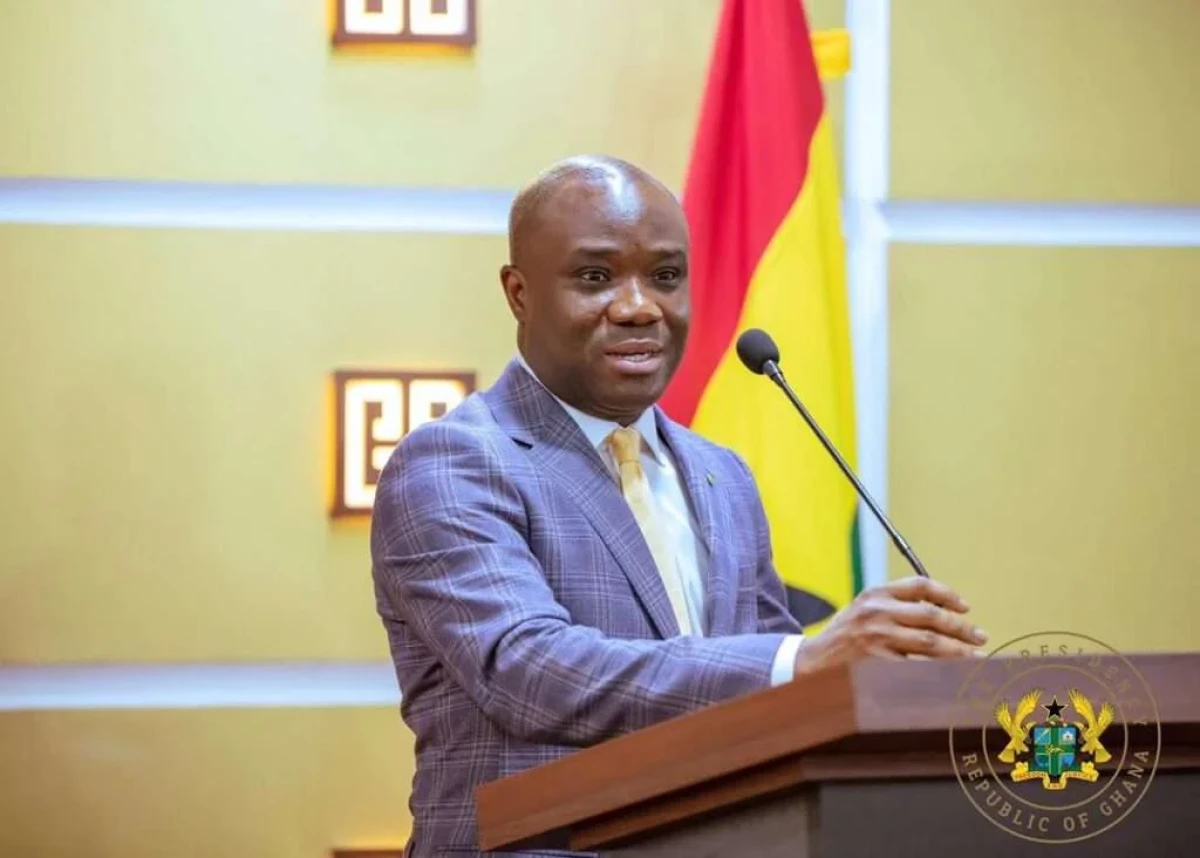
  • “Over 90% of Road Contracts Were Awarded Competitively!” – Kwakye Ofosu Defends Procurement Process

    “Over 90% of Road Contracts Were Awarded Competitively!” – Kwakye Ofosu Defends Procurement Process

    Government Spokesperson Says Majority of Road Deals Follow Strict Competitive Tendering

    Government communicator Felix Kwakye Ofosu has insisted that Ghana’s road infrastructure contracts are largely awarded through transparent and competitive processes, stating that more than 90% of such projects follow open procurement procedures.

    His remarks come amid ongoing public debate over government spending, procurement transparency, and the awarding of major infrastructure contracts across the country.

    “The System Is Competitive and Transparent,” He Asserts

    Kwakye Ofosu maintained that the country’s procurement framework ensures that most road contracts are not arbitrarily assigned, but instead go through competitive tendering processes designed to promote fairness, efficiency, and value for money.

    He emphasized that allegations of widespread non-competitive awarding of contracts do not reflect the reality of how infrastructure projects are executed under the current administrative system.

    Defense of Infrastructure Spending

    The comments appear to be part of a broader effort to defend the government’s infrastructure agenda, particularly road construction and rehabilitation projects that remain central to national development planning.

    According to him, the procurement system is structured to reduce favoritism and ensure that qualified contractors are selected based on merit and capability.

    Political Context and Public Scrutiny

    The issue of road contracts has long been a subject of political scrutiny in Ghana, often featuring in debates between the governing establishment and the opposition National Democratic Congress (NDC) and other stakeholders.

    While critics have frequently raised concerns about opacity and cost overruns, government officials continue to insist that procurement reforms have strengthened accountability and oversight.

    Calls for Trust in Procurement Institutions

    Kwakye Ofosu urged the public to have confidence in Ghana’s procurement institutions, stressing that systems have been put in place to safeguard transparency and ensure that public funds are properly utilized.

    He added that ongoing infrastructure development reflects a commitment to improving national connectivity and economic growth through structured and accountable contracting processes.

    Ongoing National Debate

    As discussions over public spending continue, the latest statement adds to the broader conversation about governance, infrastructure delivery, and accountability in Ghana’s public sector.

    For now, the government maintains that competitive tendering remains the dominant method for awarding road contracts, even as calls for greater scrutiny and transparency persist.

  • FRESH POLITICAL TENSION IN NPP: Constituency Chairman Petitions Regional Executives Over Alleged Election Irregularities in Afigya Sekyere East

    FRESH POLITICAL TENSION IN NPP: Constituency Chairman Petitions Regional Executives Over Alleged Election Irregularities in Afigya Sekyere East

    Explosive claims trigger internal party storm

    A simmering political storm has erupted within the New Patriotic Party following a formal petition filed by the Afigya Sekyere East Constituency Chairman over alleged irregularities in recent internal elections.

    The petition, addressed to regional executives, raises serious concerns about the conduct and credibility of the electoral process in the constituency, sparking renewed tensions within party ranks.

    ALLEGATIONS OF IRREGULARITIES SURFACE

    The constituency chairman is reportedly demanding a thorough review of the election process, citing alleged procedural breaches, inconsistencies in voting arrangements, and concerns over transparency.

    The petition has placed pressure on the party’s regional leadership to intervene and investigate the claims to restore confidence among party members.

    RISING INTERNAL STRAIN

    The developments have exposed widening cracks within the constituency’s political structure, with competing factions now expected to push for their narratives as the dispute escalates.

    Party insiders say the situation could deepen divisions if not swiftly and transparently addressed by the regional executives.

    REGIONAL EXECUTIVES UNDER PRESSURE

    The regional leadership of the New Patriotic Party is now under increasing pressure to respond decisively, with calls mounting for an independent review or arbitration process to settle the dispute.

    Observers note that how the matter is handled could have implications for party unity ahead of future internal and national elections.

    UNCERTAINTY LOOMS IN AFIGYA SEKYERE EAST

    As tensions rise, attention is now focused on whether the allegations will lead to a formal investigation or a negotiated settlement within the party’s internal dispute resolution structures.

    For now, the constituency remains politically charged, with party members awaiting the next official move from regional executives.

  • SHOCK REPORT: Ken Ofori-Atta “Wins Big” in US as Reports Claim He Secures Permanent Residency

    SHOCK REPORT: Ken Ofori-Atta “Wins Big” in US as Reports Claim He Secures Permanent Residency

    A wave of speculation and intense public debate has erupted following reports suggesting that former Ghana Finance Minister Ken Ofori-Atta has allegedly secured permanent residency in the United States, a development being described in some circles as a major personal “win abroad.”

    According to circulating reports and unverified claims making rounds in political and media spaces, Ofori-Atta—who has been a central figure in Ghana’s economic management and a prominent member of the New Patriotic Party (NPP)—is said to have obtained long-term residency status in the US, sparking widespread discussion about his future plans and political relevance back home.

    The claims have not been independently confirmed, and no official statement has been issued by Ofori-Atta or his representatives regarding the matter. However, the reports alone have been enough to ignite a firestorm across social media, with commentators questioning the timing, implications, and potential political undertones of such a development.

    Critics are already framing the alleged move within the broader context of Ghana’s economic and political landscape, while supporters caution against drawing conclusions from unverified information.

    Ofori-Atta, who has played a significant role in Ghana’s fiscal policy direction in recent years, remains a polarizing figure in national discourse—praised by some for structural reforms and criticized by others for economic hardships during his tenure.

    As speculation continues to spread, observers are calling for caution and verification, emphasizing that matters of immigration status are often private and should not be reduced to political narratives without clear evidence.

    For now, the story remains shrouded in uncertainty—but that has done little to slow the growing storm of commentary, as Ghanaians wait for clarity on whether the former minister has indeed made a major life and political transition abroad.

  • “Not a Single Cedi Added!” – Kwakye Ofosu Defends Mahama Over Presidential Appointee Salaries

    “Not a Single Cedi Added!” – Kwakye Ofosu Defends Mahama Over Presidential Appointee Salaries

    Government Spokesperson Pushes Back Against Claims of Salary Increases Under Mahama Administration

    Government communicator Felix Kwakye Ofosu has strongly defended former President John Dramani Mahama, insisting that no additional increases have been made to the salaries of presidential appointees during his time in office.

    His remarks come amid growing public debate over compensation levels for political office holders and renewed scrutiny of government expenditure on appointees.

    “No Increment Was Approved,” Kwakye Ofosu Insists

    Kwakye Ofosu dismissed suggestions that the Mahama-led administration had quietly adjusted or enhanced the salaries of presidential appointees, describing the claims as misleading and inaccurate.

    According to him, the salary structure for political appointees remains unchanged and continues to follow established public sector pay frameworks.

    He stressed that decisions on remuneration are not made arbitrarily, but are guided by approved public service structures and fiscal policy considerations.

    Pushback Against Political Narratives

    The clarification appears aimed at countering narratives circulating in political circles that suggest increases in compensation for government appointees under the current leadership associated with the National Democratic Congress (NDC).

    Kwakye Ofosu argued that such claims risk distorting public understanding of government expenditure and could fuel unnecessary political tension.

    Public Debate Over Political Pay Continues

    The issue of salaries and benefits for political appointees remains a sensitive topic in Ghana, often resurfacing during periods of economic debate and political competition.

    While critics frequently call for reductions in government expenditure, defenders of the system argue that competitive compensation is necessary to attract qualified professionals into public service.

    Attention Shifts to Transparency in Governance

    Observers say the latest comments are likely to intensify calls for greater transparency in how political salaries are determined and communicated to the public.

    As discussions continue, the focus remains on ensuring accountability while maintaining trust in the management of public funds.

    For now, Kwakye Ofosu’s firm denial has added another layer to the ongoing national conversation about governance, expenditure, and political communication in Ghana.