Author: Daniel Sasu

  • MARKET WOMEN URGED TO EMBRACE ALTERNATIVE DISPUTE RESOLUTION TO END TRADITIONAL CONFLICTS

    MARKET WOMEN URGED TO EMBRACE ALTERNATIVE DISPUTE RESOLUTION TO END TRADITIONAL CONFLICTS

    Call for Peaceful Settlement of Trade Disputes as Authorities Push for Harmony in Market Spaces

    Market traders, especially women engaged in daily commercial activities across Ghana, have been urged to adopt Alternative Dispute Resolution (ADR) mechanisms to resolve conflicts and reduce confrontations in market environments.

    The appeal was made as part of renewed efforts to promote peaceful coexistence, strengthen commercial stability, and reduce the burden on formal courts over disputes that arise in trading spaces.

    Reducing Tensions in Busy Market Environments

    Authorities and legal advocates say disputes over stall allocation, debts, pricing disagreements and interpersonal conflicts continue to disrupt business activities in many markets.

    They argue that resorting to Alternative Dispute Resolution methods—such as mediation, negotiation and arbitration—can help resolve such issues faster, more cheaply, and with less hostility than formal legal processes.

    Empowering Market Women Through Peaceful Mechanisms

    The call particularly targets market women, who form the backbone of informal trade in urban and rural economies, encouraging them to take advantage of community-based dispute resolution systems.

    Supporters of ADR say it not only resolves conflicts but also preserves relationships, which are crucial in tightly knit trading communities where cooperation is essential for business survival.

    Strengthening Community Justice Systems

    Legal practitioners note that ADR has become an important pillar in modern justice delivery, helping to decongest courts while promoting restorative approaches to conflict resolution.

    They stress that when properly used, it fosters dialogue, understanding and compromise rather than confrontation and prolonged legal battles.

    A Push for Lasting Market Peace

    Stakeholders believe that wider adoption of ADR in market spaces could significantly reduce tensions, improve business productivity and enhance trust among traders.

    As the campaign gains momentum, authorities are encouraging continuous education and training sessions to ensure market participants fully understand and utilize these peaceful dispute resolution tools.


  • “HISTORIC SHIFT IN EUROPE!” — EU Nations Pledge Commitment to Reparatory Justice Agenda

    “HISTORIC SHIFT IN EUROPE!” — EU Nations Pledge Commitment to Reparatory Justice Agenda

    Brussels, Belgium – In a landmark development that could reshape global conversations on historical accountability, member states of the European Union have pledged renewed commitment to reparatory justice, signaling a growing willingness to confront the long-term impacts of historical injustices.

    The announcement, which has sparked intense international debate, reflects increasing pressure from civil society groups, historians, and advocacy organisations demanding formal recognition and redress for historical wrongs linked to colonialism, slavery, and systemic exploitation.

    EU representatives say the renewed commitment is aimed at promoting dialogue, truth-telling, and policy frameworks that address historical harms while strengthening cooperation with affected regions and communities.

    While full details of implementation remain under discussion, officials indicate that the initiative could involve expanded research programmes, cultural restitution efforts, educational reforms, and deeper engagement with global partners on historical accountability.

    Human rights advocates have welcomed the move as a significant symbolic step, arguing that acknowledgement is a necessary foundation for meaningful reparatory action. However, others caution that the effectiveness of the pledge will depend on whether it translates into concrete policy measures rather than diplomatic statements.

    The debate surrounding reparatory justice remains highly sensitive across Europe, with differing national perspectives on responsibility, legacy, and the scope of redress.

    As discussions continue within EU institutions, observers say the commitment marks a notable shift in tone—one that suggests Europe is increasingly prepared to engage with difficult aspects of its past on a more formal and structured level.

    For many campaigners, however, the real test lies ahead: whether this commitment evolves from principle into measurable action.

  • ECOWAS Court Throws Out Torkornoo’s Human Rights Case Against Ghana in Major Legal Blow

    ECOWAS Court Throws Out Torkornoo’s Human Rights Case Against Ghana in Major Legal Blow

    Abuja / Accra – The ECOWAS Court of Justice has dismissed a human rights application filed by Ghana’s Chief Justice Gertrude Torkornoo against the Republic of Ghana, marking a significant legal setback in a closely watched case.

    The ruling, delivered after legal arguments were reviewed by the regional court, effectively brings an end to the claims in which the Chief Justice had sought relief over alleged violations of her fundamental human rights.

    The Court reportedly held that the application did not meet the necessary legal threshold required for adjudication under its jurisdiction, leading to its dismissal without further consideration of the substantive issues raised.

    The case had attracted widespread public and institutional attention in Ghana’s legal and political circles, given the senior position of the applicant and the constitutional implications surrounding judicial independence and human rights protections.

    Legal observers note that the decision underscores the strict procedural standards of the ECOWAS Court and its limited scope in intervening in certain domestic legal matters unless clear regional human rights violations are established.

    While the ruling represents a decisive win for the state, it is also expected to trigger further debate among legal scholars on the boundaries of regional court jurisdiction and the protections available to high-ranking judicial officials within member states.

    So far, neither the Ghanaian government nor the Chief Justice’s representatives have issued detailed public comments on the court’s decision.

    The dismissal effectively closes a contentious chapter in a case that had drawn significant attention across West Africa’s legal and governance landscape

  • SHOCKING BETRAYAL INSIDE PRISON WALLS: OFFICER ARRESTED AFTER ATTEMPTED SMUGGLING OF ‘WEE’ INTO KETE-KRACHI CELL

    SHOCKING BETRAYAL INSIDE PRISON WALLS: OFFICER ARRESTED AFTER ATTEMPTED SMUGGLING OF ‘WEE’ INTO KETE-KRACHI CELL

    Internal Security Scandal Rocks Prison Service as Officer Faces Court Action

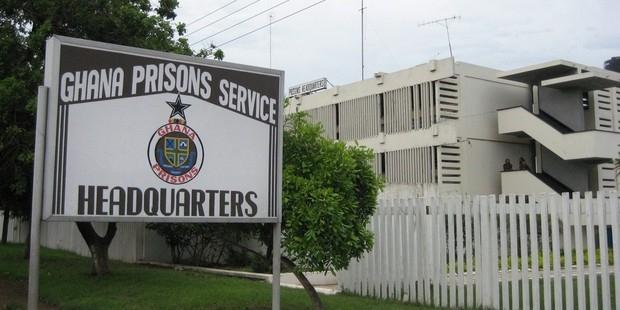
    A serving prisons officer has been arrested and remanded after allegedly attempting to smuggle a quantity of cannabis—commonly referred to as “wee”—into a cell at the Kete-Krachi Prison, in a case that has sent shockwaves through the country’s correctional system.

    The suspect, whose identity has not yet been disclosed, was reportedly intercepted during a routine security check that exposed the alleged contraband concealed in a manner intended to evade detection by fellow officers.

    The incident has triggered serious concerns within the Ghana Prisons Service, with officials describing the development as a disturbing breach of professional ethics and internal security protocols.

    Swift Arrest and Immediate Remand

    Following the discovery, the officer was promptly arrested and processed through the appropriate disciplinary and legal channels. He was subsequently arraigned before court and remanded to assist ongoing investigations.

    Authorities say the swift action reflects the service’s zero-tolerance stance on corruption, drug-related misconduct, and any behaviour that undermines the integrity of prison operations.

    Security Under Scrutiny

    The case has ignited fresh scrutiny of internal monitoring systems within correctional facilities, with questions being raised about how far individuals entrusted with prison security may be compromising the system from within.

    Security analysts warn that such incidents, if not decisively addressed, could embolden criminal networks and weaken efforts to maintain order and discipline in detention facilities.

    Prisons Service Vows Clampdown

    The Ghana Prisons Service is expected to intensify internal checks and reinforce anti-smuggling measures across all facilities following the incident, as part of broader efforts to restore public confidence.

    Officials have reiterated their commitment to rooting out misconduct, insisting that no officer found guilty of criminal activity will be shielded from the law.

    A Blow to Institutional Integrity

    The alleged act has been described as a serious stain on the professionalism of the correctional system, raising urgent calls for stronger oversight, improved surveillance, and tougher sanctions to deter future breaches.

    As investigations continue, the case stands as a stark reminder of the challenges facing security institutions in maintaining discipline both among inmates and within their own ranks.

  • “THE WAIT IS OVER!” — GES Sets July 20 Deadline to Announce Shortlisted Applicants in Massive Recruitment Drive

    “THE WAIT IS OVER!” — GES Sets July 20 Deadline to Announce Shortlisted Applicants in Massive Recruitment Drive

    Thousands of Applicants on Edge as Education Service Prepares Crucial Release

    The Ghana Education Service has confirmed that shortlisted applicants for its ongoing recruitment exercise will be announced on July 20, 2026, setting the stage for what is expected to be a highly anticipated nationwide release.

    The announcement has triggered a wave of anticipation among thousands of applicants who are hoping to secure positions within the country’s education sector.

    High Stakes as Applicants Await Final List

    The recruitment process, which has attracted widespread interest across the country, is seen as a critical opportunity for qualified graduates seeking employment in teaching and administrative roles.

    With the announcement date now officially set, tension is mounting among applicants who have been waiting for updates on their status.

    “Final Screening Stage” Signals Key Milestone

    According to officials, the release of the shortlisted names marks a major step in the final screening phase of the recruitment process.

    Successful applicants are expected to proceed to the next stage, which may include documentation verification, postings, and onboarding into various schools across the country.

    Job Seekers Brace for Make-or-Break Moment

    For many young graduates, the GES recruitment exercise represents a crucial pathway into stable employment in a competitive job market.

    The July 20 announcement is therefore expected to draw significant attention nationwide, with applicants closely monitoring official channels for updates.

    Calls for Transparency and Fairness

    As excitement builds, stakeholders have also emphasized the importance of transparency and fairness in the selection process, urging authorities to ensure merit-based outcomes.

    Education analysts note that public trust in recruitment exercises depends heavily on clear communication and accountability at every stage.

    Nation Awaits Final List

    With just weeks to go, anticipation continues to grow as applicants prepare for what could be a life-changing announcement.

    All eyes are now on the Ghana Education Service as the country awaits the official release of shortlisted candidates on July 20.

  • BLACK STARS STUN ENGLAND: GIANT-SLAYING MASTERCLASS SHOCKS THE FOOTBALL WORLD

    BLACK STARS STUN ENGLAND: GIANT-SLAYING MASTERCLASS SHOCKS THE FOOTBALL WORLD

    Ghana Produce Tactical Masterpiece to Silence England in Statement Performance

    The national team of Ghana national football team delivered a commanding performance to hold—and in moments outclass—England national football team in a sensational encounter that has sent shockwaves through international football.

    In what many are describing as a “giant step forward,” the Black Stars produced a disciplined, high-intensity display marked by tactical maturity, defensive resilience and sharp attacking transitions that repeatedly unsettled their highly rated opponents.

    A Night of Tactical Brilliance

    From the opening whistle, Ghana showed no intention of being overwhelmed, pressing intelligently and denying England space in key areas of the pitch.

    The midfield battle became the defining feature of the match, with Ghana matching England’s tempo and disrupting their usual rhythm through coordinated pressing and quick recovery play.

    Defensive Wall Frustrates England’s Attack

    England’s attacking stars struggled to find openings as Ghana’s backline held firm under sustained pressure. Crucial interceptions and well-timed tackles kept the European side at bay, frustrating attempts to break the deadlock.

    Goalkeeping interventions at key moments further boosted Ghana’s confidence, ensuring that England’s forward momentum never fully translated into dominance on the scoreboard.

    Attacking Threats and Missed Chances

    Despite periods of English pressure, Ghana created several dangerous counterattacking opportunities, exposing gaps in transition and forcing defensive recoveries from the opposition.

    While clear chances went begging, the Black Stars’ intent and structure signaled a significant improvement in cohesion and tactical discipline.

    “A Statement Performance” — Fans React

    Supporters and analysts have hailed the result as a statement of intent, suggesting that Ghana’s performance reflects growing confidence and tactical evolution on the international stage.

    For England, questions will be raised about finishing efficiency and their ability to break down well-organised defensive setups.

    A Giant Step Forward

    Beyond the result itself, the performance is being viewed as a symbolic breakthrough for Ghana’s football ambitions, reinforcing belief in the team’s ability to compete with elite opposition.

    As the final whistle blew, the message was clear: the Black Stars are not just participating—they are competing at the highest level and demanding global respect.

  • “MAJOR BREAKTHROUGH IN DRUG WAR!” — NACOC Arrests Lead Suspect in 320kg ‘Charcoal Meth’ Case Linked to Australia

    “MAJOR BREAKTHROUGH IN DRUG WAR!” — NACOC Arrests Lead Suspect in 320kg ‘Charcoal Meth’ Case Linked to Australia

    Accra, Ghana – The Narcotics Control Commission (NACOC) has announced the arrest of a key suspect in Ghana in connection with a massive international drug trafficking case involving 320 kilograms of suspected “charcoal meth” destined for Australia, marking what authorities describe as a significant breakthrough in cross-border narcotics enforcement.

    According to preliminary information from the anti-narcotics agency, the suspect is believed to be a central figure in a wider trafficking network operating between West Africa and international drug markets, with Ghana allegedly serving as a transit point.

    The seizure and subsequent arrest form part of ongoing investigations into the large-scale shipment of drugs concealed in materials described as “charcoal,” a concealment method increasingly used by traffickers to evade detection by customs and security agencies.

    Security officials say the operation reflects strengthened intelligence-sharing and coordinated efforts between Ghanaian authorities and international partners to dismantle sophisticated drug cartels.

    NACOC has indicated that further arrests are expected as investigations deepen, with authorities working to trace the full network behind the shipment and identify collaborators both locally and abroad.

    The development has sparked renewed concern over the evolving tactics of drug traffickers, who continue to adapt concealment methods in attempts to bypass airport and port security systems.

    Law enforcement officials have assured the public that Ghana remains committed to intensifying the fight against illicit drug trafficking and safeguarding its borders from being exploited by international criminal networks.

    As investigations continue, the case is expected to draw further international attention given the scale of the seizure and its alleged connection to transcontinental drug distribution routes.

    For now, authorities say the arrest marks a critical step forward—but stress that the broader battle against organized drug trafficking is far from over.

  • President Mahama Hails Navrongo–Bolgatanga Catholic Diocese as “Indispensable Partner” in National Development Push

    President Mahama Hails Navrongo–Bolgatanga Catholic Diocese as “Indispensable Partner” in National Development Push

    Bolgatanga, Ghana – President John Dramani Mahama has praised the Navrongo–Bolgatanga Catholic Diocese, describing it as an indispensable partner in Ghana’s development journey, in remarks that have drawn strong attention from both religious and development circles.

    The President, speaking during an engagement in the Upper East Region, commended the Diocese for its long-standing contribution to education, healthcare, social services, and community development, stressing that faith-based organisations continue to play a crucial role in complementing government efforts.

    He noted that the Diocese has consistently demonstrated commitment to improving lives at the grassroots level through the establishment of schools, health facilities, and social intervention programmes that directly benefit vulnerable and underserved communities.

    President Mahama highlighted that partnerships between the state and religious institutions remain vital in addressing developmental challenges, particularly in regions where access to essential services remains limited. He urged continued collaboration to accelerate progress and ensure inclusive development across the country.

    The President also acknowledged the Diocese’s role in promoting peacebuilding, moral guidance, and civic responsibility, describing these contributions as essential to national stability and cohesion.

    Leaders of the Diocese welcomed the recognition, reaffirming their commitment to working closely with government and other stakeholders to expand social services and support community development initiatives.

    The engagement has been widely interpreted as a reaffirmation of the strong relationship between the state and religious institutions, with calls for deeper collaboration to tackle pressing social and economic challenges in the Upper East Region and beyond.

  • NPP REFORM DEBATE HEATS UP: EX-SUBIN MP DEMANDS ‘ONE MEMBER, ONE VOTE’ TO REBUILD PARTY AFTER 2024 DEFEAT

    NPP REFORM DEBATE HEATS UP: EX-SUBIN MP DEMANDS ‘ONE MEMBER, ONE VOTE’ TO REBUILD PARTY AFTER 2024 DEFEAT

    Internal Pressure Mounts as Calls Grow for Sweeping Electoral Reform

    A former Member of Parliament for Subin Constituency has called for the introduction of a “one member, one vote” system within the New Patriotic Party (NPP), arguing that bold internal reforms are necessary to restore credibility and rebuild the party following its defeat in the 2024 general elections.

    The former lawmaker insists that the current delegate-based system has weakened internal democracy, concentrated influence in the hands of a few power brokers, and alienated ordinary party members whose voices are often excluded from key decision-making processes.

    According to the proposal, allowing every registered party member to vote directly in internal elections would strengthen accountability, reduce factionalism, and rebuild trust between the grassroots and national leadership.

    Post-Defeat Introspection Sparks Reform Push

    The call comes amid ongoing soul-searching within the NPP following its electoral setback, with several party figures pushing for structural changes aimed at modernising the party’s organisation and reconnecting it with its base.

    Supporters of the “one member, one vote” model argue that it would democratise the party’s internal processes and prevent elite capture, ensuring that leadership reflects the genuine preference of the wider membership rather than a limited electoral college.

    However, critics caution that such a system could be costly, logistically challenging, and potentially open to manipulation if strong verification mechanisms are not put in place.

    Growing Debate Over Party Direction

    The proposal adds to a widening debate within the NPP over how best to reposition itself ahead of future elections, with discussions ranging from leadership restructuring to ideological renewal and grassroots mobilisation strategies.

    Political observers say the outcome of these internal conversations could significantly shape the party’s competitiveness and cohesion in the coming years.

    Pressure Builds for Change

    As calls for reform grow louder, party members are expected to engage in intense consultations on the future structure of the NPP, with the “one member, one vote” proposal likely to remain a central point of contention.

    Whether adopted or rejected, the debate signals a party at a crossroads—grappling with the lessons of defeat and the challenge of rebuilding public confidence from the ground up.

  • “WE WON’T BE DISPLACED!” — Maamobi Traders Protest Six-Week Relocation Deadline at Kaasuankuda Market

    “WE WON’T BE DISPLACED!” — Maamobi Traders Protest Six-Week Relocation Deadline at Kaasuankuda Market

    Tension Erupts as Authorities Move to Enforce Market Relocation Plan

    Tempers have flared at the Maamobi Kaasuankuda Market after concerned citizens and traders staged a protest against a six-week deadline issued for the relocation of market activities.

    The demonstrators, made up largely of traders and residents, expressed anger over what they describe as a sudden and disruptive directive that threatens their livelihoods and daily economic activities.

    “Six Weeks Is Not Enough!” — Traders Push Back

    Protesters argued that the timeline given for relocation is unrealistic and does not reflect the economic realities faced by hundreds of small-scale traders who depend on the market for survival.

    Many vendors insisted they have invested heavily in their current trading spaces and need adequate time, consultation, and support before any forced relocation is carried out.

    Some carried placards and chanted slogans demanding a review of the deadline, insisting that authorities must engage stakeholders more meaningfully before enforcing such a major decision.

    Growing Frustration Over Relocation Plan

    The relocation directive has sparked growing tension in the Maamobi area, with traders warning that any rushed enforcement could lead to economic hardship and disruption of supply chains for everyday goods.

    Residents say the market is not just a commercial hub but a vital part of the local economy, supporting families and sustaining informal sector jobs.

    Calls for Dialogue and Reconsideration

    Community leaders and concerned citizens are urging authorities to open urgent discussions with traders to find a more workable solution that balances urban planning needs with economic survival.

    They argue that proper planning, alternative trading spaces, and phased relocation could help reduce tensions and prevent confrontation.

    A Flashpoint in Urban Management Debate

    The protest has reignited broader conversations about market management, urban redevelopment, and the challenges of enforcing city planning regulations in densely populated communities.

    Analysts say the situation highlights the delicate balance between modernization efforts and protecting livelihoods in informal economic zones.

    Uncertain Path Ahead

    As tensions remain high, traders continue to demand clarity on relocation arrangements, compensation where applicable, and assurances that their businesses will not be permanently disrupted.

    For now, the Kaasuankuda market remains a focal point of protest and negotiation, with all eyes on how authorities respond in the coming days.