Author: Daniel Sasu

  • GHANA’S BUDGET TRANSPARENCY TAKES A SHOCKING HIT — OPEN BUDGET SURVEY SCORE PLUNGES

    GHANA’S BUDGET TRANSPARENCY TAKES A SHOCKING HIT — OPEN BUDGET SURVEY SCORE PLUNGES

    Ghana’s reputation for fiscal openness has suffered a major setback after the country recorded a sharp decline in its latest Open Budget Survey performance, raising fresh concerns over transparency, accountability, and citizens’ ability to track public spending.

    The latest assessment by the International Budget Partnership (IBP) shows that Ghana’s budget transparency score dropped dramatically from 46 percent in 2023 to just 22 percent in 2025, placing the country far below the Sub-Saharan African average of 38 percent.

    A MAJOR WARNING SIGN FOR PUBLIC ACCOUNTABILITY

    The decline has triggered concerns among governance experts and civil society groups, who warn that limited access to budget information could make it harder for citizens, journalists, and institutions to scrutinise how public funds are managed.

    The survey indicates that delays in publishing key financial documents — including the Executive’s Budget Proposal, Citizens’ Budget, and some In-Year Reports — contributed significantly to Ghana’s poor transparency rating.

    CITIZENS LEFT WITH FEWER TOOLS TO MONITOR GOVERNMENT SPENDING

    The report suggests that reduced access to timely budget information weakens public participation in national financial decisions and limits the ability of citizens and civil society organisations to demand accountability from government.

    For a country that has long promoted democratic governance and institutional accountability, the decline has renewed debate about whether enough is being done to ensure openness in the management of state resources.

    SOME IMPROVEMENTS, BUT QUESTIONS REMAIN

    Despite the fall in transparency, Ghana recorded slight improvements in other areas. Public participation increased from 17 percent in 2023 to 22 percent in 2025, while budget oversight by key institutions improved from 28 percent to 33 percent.

    However, analysts say the gains are not enough to offset the wider concerns about access to information and public involvement in the budget process.

    CALLS FOR URGENT REFORMS

    The findings have renewed calls for government to publish budget documents on time, expand citizen involvement in budget discussions, strengthen parliamentary oversight, and improve systems that allow the public to monitor government expenditure.

    As Ghana continues its democratic journey, the latest Open Budget Survey score serves as a powerful reminder: without transparency, public trust in financial governance remains at risk.

  • Hack54 Takes on Fintech Challenges: Innovation Drive Launched to Solve Industry Problems

    Hack54 Takes on Fintech Challenges: Innovation Drive Launched to Solve Industry Problems

    The future of financial technology is set for a major boost as Hack54 steps up efforts to tackle pressing challenges facing the fintech sector through innovation, collaboration, and technology-driven solutions.

    The initiative is bringing together bright minds, developers, entrepreneurs, and industry players to create practical solutions aimed at addressing key problems affecting digital finance, including accessibility, security, efficiency, and financial inclusion.

    Organisers say Hack54 is designed to inspire fresh ideas and empower innovators to develop tools that can transform the way people access and use financial services.

    With fintech rapidly reshaping the financial landscape, the programme is expected to provide a platform for participants to identify real-world challenges and build solutions capable of making a lasting impact.

    Industry stakeholders believe initiatives like Hack54 could play a critical role in strengthening the fintech ecosystem by encouraging creativity, supporting startups, and promoting technology-based approaches to financial challenges.

    As the competition and innovation drive gain attention, expectations are high that new ideas emerging from Hack54 could help unlock the next wave of digital finance solutions.

  • “BETRAYAL OF PROMISES!” — Minority Launches Fierce Attack Over Tariff Hikes, Demands Answers From Government and PURC

    “BETRAYAL OF PROMISES!” — Minority Launches Fierce Attack Over Tariff Hikes, Demands Answers From Government and PURC

    Accra — Ghana’s Minority in Parliament has launched a strong criticism of the government and the Public Utilities Regulatory Commission (PURC) over recent tariff increases, describing the move as a betrayal of promises made to citizens.

    The Minority accused the government of going against its earlier commitments to ease economic pressures on Ghanaians, arguing that the increase in utility charges will place additional burdens on households and businesses already struggling with rising costs.

    According to the Minority, the decision by the Public Utilities Regulatory Commission to approve tariff adjustments contradicts expectations created by the governing National Democratic Congress during its campaign and policy engagements.

    They warned that higher electricity and utility costs could worsen financial difficulties for ordinary citizens, increase operational expenses for businesses, and affect economic recovery efforts.

    The Minority has called on the government and PURC to reconsider the increases and provide greater transparency on the reasons behind the adjustments.

    The controversy has triggered fresh debate over Ghana’s utility pricing policies, with supporters of the tariff changes pointing to operational costs and sector sustainability, while critics insist consumers should not bear the full burden.

    As public reactions continue to grow, the tariff issue is shaping up to become another major test for the government’s economic management agenda.

  • “Parliament Must Stand Guard Over Press Freedom — Minority Leader Sends Strong Warning on Media Rights”

    “Parliament Must Stand Guard Over Press Freedom — Minority Leader Sends Strong Warning on Media Rights”

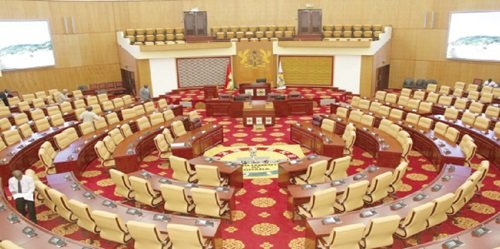
    The Minority Leader in Ghana’s Parliament has made a passionate call for the legislature to become a stronger defender and guarantor of press freedom, stressing that a vibrant media remains essential to protecting democracy and holding power accountable.

    Speaking on the role of Parliament in safeguarding democratic values, the Minority Leader argued that journalists must be allowed to operate without fear, intimidation, or undue interference.

    According to him, a free and independent media serves as the voice of the people and plays a critical role in exposing wrongdoing, promoting transparency, and strengthening good governance.

    He urged Parliament to take a proactive role in protecting the constitutional rights of journalists, insisting that attacks on press freedom threaten the foundations of democracy itself.

    The call comes amid ongoing conversations about the safety of media practitioners, access to information, and the relationship between state institutions and the press.

    The Minority Leader emphasized that protecting journalists is not only about defending media houses but also about preserving citizens’ right to information and ensuring public accountability.

    His remarks have reignited discussions among media professionals, civil society groups, and political observers on the need for stronger safeguards for press freedom in Ghana.

  • Adansi North Takes Tough Stand Against Child Labour: DCE Mobilises Stakeholders for Major Fight to Protect Children

    Adansi North Takes Tough Stand Against Child Labour: DCE Mobilises Stakeholders for Major Fight to Protect Children

    The Adansi North District has intensified efforts to combat child labour as the District Chief Executive (DCE) rallies key stakeholders to join forces in protecting children and securing their future.

    The DCE has called on community leaders, parents, traditional authorities, schools, and other relevant groups to work together to eliminate practices that expose children to hazardous work and deny them access to education and proper development.

    The move forms part of renewed efforts to address child labour concerns in the district, with stakeholders urged to strengthen monitoring, reporting, and public awareness campaigns.

    Speaking on the issue, authorities stressed that protecting children requires a collective approach, as poverty, lack of awareness, and social pressures often contribute to situations where minors are pushed into exploitative labour.

    The DCE encouraged residents to support initiatives aimed at keeping children in school and creating safer environments where young people can grow and achieve their potential.

    Stakeholders at the engagement pledged their commitment to supporting measures that will help reduce child labour and promote child welfare across the district.

    The campaign is expected to deepen collaboration between local authorities and communities in the fight against child exploitation.

  • PROBITY, ACCOUNTABILITY AND SOCIAL JUSTICE: THE UNFINISHED PROMISE OF GHANA’S FOURTH REPUBLIC

    PROBITY, ACCOUNTABILITY AND SOCIAL JUSTICE: THE UNFINISHED PROMISE OF GHANA’S FOURTH REPUBLIC

    As Ghana’s Fourth Republic continues to mature, the principles of probity, accountability, social justice, and national service remain at the centre of the country’s democratic journey — ideals that were envisioned to shape a fairer, more responsible, and people-focused society.

    The call for these values has remained a major part of national conversations, with citizens and leaders repeatedly emphasizing the need for integrity in public life and responsible governance.

    PROBITY: THE DEMAND FOR INTEGRITY IN LEADERSHIP

    Probity remains one of the strongest expectations placed on public officials — the belief that leaders must act with honesty, transparency, and a commitment to the national interest.

    For many Ghanaians, the principle represents a rejection of corruption, abuse of power, and the misuse of public resources. It challenges those entrusted with authority to demonstrate ethical leadership and ensure that public office is treated as a responsibility rather than a privilege.

    ACCOUNTABILITY: HOLDING POWER TO ACCOUNT

    A strong democracy depends on accountability. In the Fourth Republic, institutions such as Parliament, the judiciary, the media, and civil society play critical roles in ensuring that leaders answer for their decisions and actions.

    However, concerns about corruption, lack of transparency, and weak enforcement of standards continue to raise questions about whether accountability mechanisms are working effectively.

    Many argue that accountability must go beyond political promises and become a daily practice embedded in public institutions.

    SOCIAL JUSTICE: ENSURING EVERY CITIZEN MATTERS

    Social justice remains a key measure of democratic success. It focuses on creating opportunities, reducing inequality, and ensuring that development benefits all sections of society.

    Issues such as access to quality education, healthcare, employment, and economic opportunities continue to shape discussions about whether the ideals of fairness and inclusion are being achieved.

    Advocates insist that democracy must not only guarantee political participation but also improve the everyday lives of citizens.

    NATIONAL SERVICE: BUILDING A SHARED RESPONSIBILITY

    National service has long been viewed as a tool for developing patriotism, discipline, and commitment among citizens, especially the youth.

    Beyond employment placement, many believe national service should encourage a deeper sense of responsibility toward community development and national progress.

    THE ROAD AHEAD

    Nearly three decades into the Fourth Republic, the pursuit of probity, accountability, social justice, and national service remains an ongoing national assignment.

    The challenge, observers say, is moving these ideals from speeches and constitutional aspirations into practical actions that transform institutions and improve citizens’ confidence in governance.

    The future of Ghana’s democracy may ultimately depend not only on the strength of its elections but on how seriously the nation embraces the values that give democracy its meaning.

  • Disapproval Without Abandonment: How Ghanaians Sent a Warning Signal to the NPP in 2024

    Disapproval Without Abandonment: How Ghanaians Sent a Warning Signal to the NPP in 2024

    The 2024 political landscape in Ghana delivered a powerful message: voters were unhappy, but not necessarily ready to completely walk away from the New Patriotic Party (NPP).

    The election outcome reflected a complex relationship between Ghanaians and the party — one marked by disappointment, criticism, and demands for change, rather than total rejection.

    For many citizens, the concerns centered on economic pressures, rising living costs, unemployment, and frustrations over governance issues. The dissatisfaction was loud and visible, creating a strong call for accountability and renewed commitment to the needs of ordinary Ghanaians.

    However, the sentiments surrounding the NPP also showed that political loyalty, shared values, and trust built over years remained significant factors. Many supporters expressed disappointment with certain decisions and policies while still identifying with the party’s broader vision.

    Political observers describe the situation as a case of “disapproval without abandonment” — a warning from the electorate that support cannot be taken for granted, but that the relationship between the party and its base is not beyond repair.

    The message from voters was clear: Ghanaians expect better performance, stronger leadership, and policies that directly improve their daily lives.

    As the NPP reflects on the 2024 verdict, the challenge ahead is not only rebuilding confidence but also understanding the concerns of citizens who felt unheard while maintaining the connection with those who remain committed to the party.

    The election has become a reminder that political support is not permanent — it must be earned, protected, and renewed through action.

  • “DON’T REDUCE THEM TO TIKTOK STARS!” — Nana Akua Addo DEMANDS RESPECT FOR CONTENT CREATORS IN FIERY APPEAL

    “DON’T REDUCE THEM TO TIKTOK STARS!” — Nana Akua Addo DEMANDS RESPECT FOR CONTENT CREATORS IN FIERY APPEAL

    Accra — Award-winning actress and fashion icon Nana Akua Addo has sparked conversation in Ghana’s creative space after boldly urging the public and industry stakeholders not to “reduce content creators to mere TikTok stars.”

    The outspoken call came from Nana Akua Addo, who emphasized that digital creators are far more than social media entertainers and deserve recognition as professionals shaping modern media, marketing, and culture.

    According to her, the rapid rise of short-form video platforms has led to a growing trend where content creators are dismissed or undervalued, despite their significant influence on branding, entertainment, and youth engagement.

    She argued that many creators are building full-fledged careers, running digital agencies, securing brand partnerships, and driving online economies that rival traditional media structures.

    Her remarks have reignited debate within Ghana’s creative industry about how digital talent is perceived, with many calling for stronger structures, recognition, and regulation to support the fast-growing sector.

    Industry observers say Nana Akua Addo’s comments highlight a broader shift in entertainment, where the boundaries between traditional celebrity and digital influence continue to blur.

    As conversations intensify, her message stands as a strong reminder that the digital creator economy is no passing trend—but a powerful force reshaping the future of media and influence in Ghana and beyond.

  • “‘Reimburse Kinaata!’ — Kwaku Manu Fires GFA, Begs Embassies Over Shock US Visa Denials”

    “‘Reimburse Kinaata!’ — Kwaku Manu Fires GFA, Begs Embassies Over Shock US Visa Denials”

    Actor and media personality has stirred public debate after boldly calling on football authorities to take responsibility following a wave of US visa denials affecting Ghanaian delegation members, including popular musician performances linked to national football engagements.

    Speaking in a strongly worded appeal, Kwaku Manu demanded that the Ghana Football Association (GFA) step in to reimburse artist Kofi Kinaata after reported disruptions linked to visa complications allegedly preventing scheduled appearances and travel arrangements.

    Kwaku Manu did not hold back, insisting that if the artist incurred financial or professional losses due to the failed travel arrangements, then the football governing body must “do the right thing” and compensate him accordingly.

    He also extended his criticism beyond football circles, appealing directly to foreign embassies to reconsider what he described as increasingly frustrating visa rejection patterns affecting Ghanaian entertainers, athletes, and officials.

    According to him, such denials not only disrupt individual careers but also damage Ghana’s cultural and sporting representation on the international stage.

    The comments have since triggered heated discussion online, with fans divided over whether responsibility lies with the football authorities, travel arrangements, or visa issuing embassies.

    The GFA has yet to officially respond to the calls for reimbursement or the broader concerns raised.

    @edditing_b

    Kwaku Manu reacts to Yaw Dabo appearing on World Cup screens😂🔥💪

    ♬ original sound – Ůpsideďowns_
  • Entertainment Industry in High-Level Crisis Talks: Over 230 Stakeholders Storm TGMA Music Summit Over Exploitative Deals and Contract Traps

    Entertainment Industry in High-Level Crisis Talks: Over 230 Stakeholders Storm TGMA Music Summit Over Exploitative Deals and Contract Traps

    More than 230 key players in Ghana’s music industry have gathered at the TGMA Music Summit, in a high-powered meeting aimed at confronting growing concerns over unfair brand partnerships, exploitative contracts, and recurring legal pitfalls affecting musicians.

    The summit, which brought together artistes, managers, producers, legal experts, and industry executives, turned into an intense platform for exposing the challenges many musicians face in negotiating commercial deals and protecting their intellectual property.

    Participants raised alarm over increasing cases of unfavourable brand endorsements, unclear contract terms, and lack of professional legal guidance—issues they say continue to weaken the bargaining power of emerging and even established artistes.

    Industry voices at the summit stressed that while Ghana’s music scene is experiencing rapid growth and international attention, structural weaknesses in contract management and brand negotiations are leaving many creatives vulnerable to exploitation.

    Discussions also focused on the urgent need for stronger education on entertainment law, improved industry regulation, and the establishment of standardized contract frameworks to protect artistes from long-term financial losses.

    Organizers described the summit as a critical step toward reforming the business side of music in Ghana, with stakeholders calling for sustained dialogue and actionable reforms beyond talk-shop engagements.

    The event is expected to produce recommendations aimed at reshaping how brand deals and contracts are handled in the country’s fast-growing creative industry.