Author: Daniel Sasu

  • Odaw Flood Fight Intensifies: GARID Warns Dredging Battle Continues Against Returning Sediment Threat

    Odaw Flood Fight Intensifies: GARID Warns Dredging Battle Continues Against Returning Sediment Threat

    The Greater Accra Resilient Integrated Development Project (GARID) has revealed that the dredging of the Odaw River remains a continuous battle as authorities work to keep the waterway clear from the constant return of sediment.

    Officials explained that despite ongoing dredging efforts, the accumulation of silt and debris continues to pose a major challenge, threatening to reduce the capacity of the river channel and increase the risk of flooding in surrounding communities.

    GARID noted that the situation requires sustained intervention rather than a one-time cleanup exercise, as environmental factors and human activities continue to contribute to sediment build-up.

    The project team stressed that maintaining the Odaw River is critical to improving drainage capacity in the Greater Accra Region and reducing the devastating impact of floods during heavy rains.

    The revelation comes amid renewed public concern over recurring flooding in the capital, with many residents demanding lasting solutions to the country’s drainage challenges.

    Authorities say ongoing dredging, improved waste management, and stronger protection of waterways remain essential in the fight against flooding and its impact on lives and property.

  • ACCRA FLOOD EARLY WARNING SYSTEM ACTIVE BUT NOT FULLY READY — AUTHORITIES REVEAL VALIDATION STILL UNDERWAY

    ACCRA FLOOD EARLY WARNING SYSTEM ACTIVE BUT NOT FULLY READY — AUTHORITIES REVEAL VALIDATION STILL UNDERWAY

    Ghana’s much-anticipated Accra Flood Early Warning System is now operational, but authorities have revealed that the system is still undergoing validation and testing before it can reach full implementation.

    The development comes as Accra continues to face recurring flooding challenges, with experts stressing the need for reliable early warning mechanisms to help protect lives, property, and critical infrastructure.

    SYSTEM RUNNING, BUT FINAL TESTS CONTINUE

    According to the latest status report, the flood warning system has been activated and is collecting and processing data, but additional assessments are ongoing to ensure accuracy, reliability, and effectiveness.

    Officials say the validation process is necessary to confirm that the system can provide timely and accurate alerts during flood events.

    A MAJOR STEP IN ACCRA’S FLOOD MANAGEMENT EFFORTS

    The system is expected to improve disaster preparedness by providing early information on possible flooding, allowing communities and emergency agencies to respond before situations become critical.

    With Accra frequently experiencing flooding due to heavy rains, poor drainage, and rapid urban development, authorities believe the warning system could become a key tool in reducing the impact of disasters.

    TECHNOLOGY TO STRENGTHEN EMERGENCY RESPONSE

    The early warning platform is designed to support better decision-making by providing data that can guide evacuations, emergency planning, and targeted interventions.

    However, officials have cautioned that technology alone cannot solve Accra’s flooding problems, emphasizing the importance of improved drainage systems, proper waste management, and responsible development.

    PUBLIC AWARENESS WILL BE CRITICAL

    As validation continues, authorities are expected to engage communities and relevant institutions to ensure that alerts from the system are understood and acted upon effectively.

    The message from the status report is clear: Accra now has a flood warning tool — but ensuring it works perfectly remains the next major test.

  • DEVASTATING FIRE STRIKES ODAWNA RUBBER MARKET: OVER 200 SHOPS DESTROYED AS TRADERS COUNT MASSIVE LOSSES

    DEVASTATING FIRE STRIKES ODAWNA RUBBER MARKET: OVER 200 SHOPS DESTROYED AS TRADERS COUNT MASSIVE LOSSES

    A devastating fire outbreak has swept through the Odawna Rubber Market, destroying more than 200 shops and leaving traders counting their losses after goods worth thousands of cedis were reduced to ashes.

    The inferno, which reportedly spread rapidly through the market area, caused widespread destruction, wiping out businesses and leaving many traders devastated over the loss of their livelihoods.

    Affected shop owners were left helpless as flames consumed their goods, with many describing the incident as a heartbreaking blow after years of hard work and investment.

    The fire has triggered fresh concerns over safety measures in busy commercial areas, with calls for improved fire prevention systems, better market planning, and stronger emergency preparedness.

    Authorities and emergency responders are expected to assess the extent of the damage while efforts begin to support affected traders and prevent similar disasters in the future.

    For many victims, the aftermath represents more than lost property — it is a fight to rebuild businesses and restore livelihoods after one of the market’s most destructive moments.

  • “JUSTIFY THE URGENCY!” — Parliamentary Network Demands Answers From Executive Over Certificate of Urgency Bills

    “JUSTIFY THE URGENCY!” — Parliamentary Network Demands Answers From Executive Over Certificate of Urgency Bills

    Accra — The Executive must provide clear justification for the use of certificate of urgency procedures on bills presented to Parliament, the Parliamentary Network has demanded.

    The group raised concerns over the frequent reliance on urgent legislative processes, insisting that such measures should only be used when there are genuine and compelling reasons requiring immediate parliamentary action.

    According to the Parliamentary Network, while urgent situations may require swift decision-making, the process must not undermine proper scrutiny, debate, and public accountability in the lawmaking process.

    The call comes amid growing discussions about the balance between government efficiency and the need for Parliament to thoroughly examine proposed legislation before approval.

    The group emphasized that lawmakers must have adequate opportunity to review the details, consult stakeholders, and assess the possible impact of bills on citizens.

    The Executive has been urged to explain the circumstances behind each request for a certificate of urgency and demonstrate why normal legislative procedures cannot be followed.

    The debate has renewed attention on Ghana’s parliamentary processes, transparency, and the importance of maintaining strong checks and balances between state institutions.

  • “Major Energy Shake-Up: Energy and Finance Ministries Join Forces to Fast-Track Reforms for Ghana’s Power Sector”

    “Major Energy Shake-Up: Energy and Finance Ministries Join Forces to Fast-Track Reforms for Ghana’s Power Sector”

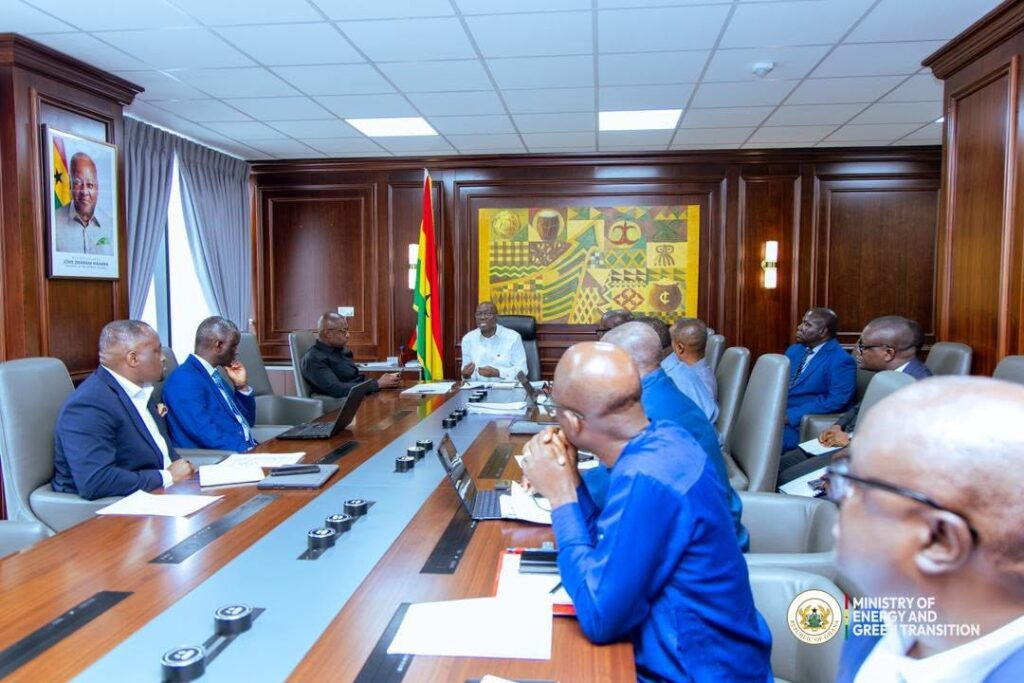
    Ghana’s energy sector is set for a major transformation as the Energy Ministry and the Finance Ministry have moved to align their priorities in a coordinated effort to accelerate critical reforms and strengthen the country’s energy future.

    The collaboration is aimed at addressing key challenges facing the sector, including financial sustainability, efficiency, infrastructure development, and long-term energy security.

    Officials from both ministries are expected to work closely to ensure that policy decisions, funding strategies, and reform initiatives are better coordinated to deliver improved outcomes for consumers and businesses.

    The move comes amid growing calls for a more reliable and sustainable energy system capable of supporting industrial growth and national development.

    Stakeholders believe stronger cooperation between the two ministries could help unlock investments, improve sector management, and address persistent concerns affecting Ghana’s energy landscape.

    Authorities have emphasized that the reforms will focus on creating a more efficient, resilient, and financially stable energy sector that can meet the country’s growing demands.

    The latest development signals a renewed push by government institutions to reshape Ghana’s energy future through coordinated planning and decisive action.

  • Ghanaians in South Africa Warned: High Commission Urges Nationals to Stay Indoors Amid Anti-Immigrant Protests

    Ghanaians in South Africa Warned: High Commission Urges Nationals to Stay Indoors Amid Anti-Immigrant Protests

    The Ghana High Commission in South Africa has issued a safety advisory to Ghanaian nationals living in South Africa, urging them to remain indoors and exercise extreme caution amid ongoing anti-immigrant protests.

    The directive comes as tensions rise in parts of South Africa, where demonstrations linked to concerns over foreign nationals have created security fears for migrants, including Ghanaians residing in the country.

    The High Commission advised citizens to avoid protest areas, limit unnecessary movement, and remain alert to developments while authorities work to manage the situation.

    Ghana’s diplomatic authorities are expected to continue monitoring events and engaging relevant South African officials to help ensure the safety and protection of Ghanaian residents.

    The advisory has heightened concerns among Ghanaian communities in South Africa, with many calling for calm and vigilance as tensions surrounding immigration continue to dominate public discussions.

    The High Commission reaffirmed its commitment to supporting Ghanaian nationals and encouraged citizens facing emergencies to seek assistance through official channels.

  • FINANCE MINISTRY BACKS ENERGY REVOLUTION AS JINAPOR REVEALS GOVERNMENT’S TRANSFORMATION AGENDA

    FINANCE MINISTRY BACKS ENERGY REVOLUTION AS JINAPOR REVEALS GOVERNMENT’S TRANSFORMATION AGENDA

    The government’s ambitious plan to transform Ghana’s energy sector has received a major boost after the Finance Ministry pledged its full support for reforms aimed at creating a more efficient, reliable, and sustainable power system.

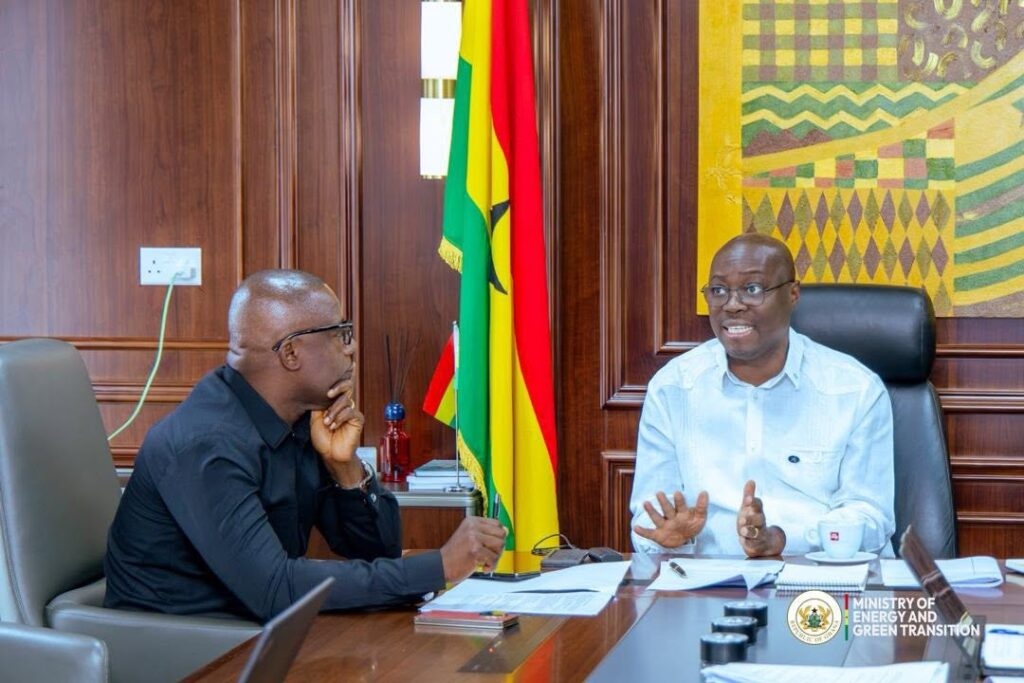
    Energy Minister John Abdulai Jinapor said the Finance Ministry remains committed to supporting the government’s drive to modernise the sector and address long-standing challenges affecting energy delivery in the country.

    A NEW ERA FOR GHANA’S ENERGY SECTOR

    According to Jinapor, the transformation agenda is focused on improving efficiency, strengthening infrastructure, reducing operational challenges, and ensuring that Ghana’s energy sector becomes more competitive and sustainable.

    He noted that achieving these goals requires strong collaboration between the Energy Ministry, the Finance Ministry, and other key stakeholders.

    FINANCE MINISTRY READY TO SUPPORT REFORMS

    The Energy Minister explained that the Finance Ministry’s backing is critical to securing the resources needed to implement major interventions, including investments in infrastructure, improved sector management, and policies designed to enhance energy security.

    He stressed that the government is determined to create a system that provides reliable power while supporting economic growth and industrial development.

    ADDRESSING SECTOR CHALLENGES

    The energy sector has faced several challenges over the years, including financial pressures, infrastructure gaps, and concerns about sustainability.

    Jinapor indicated that the government’s approach will focus on tackling these issues through strategic reforms and stronger institutional coordination.

    POWERING GHANA’S FUTURE

    The Minister expressed confidence that with the support of the Finance Ministry and other partners, Ghana can achieve a more resilient energy sector capable of meeting the needs of households, businesses, and industries.

    The government’s message is clear: the transformation of Ghana’s energy sector is not just about electricity supply — it is about powering the country’s economic future.

  • ODAW FLOOD FIGHT GETS MAJOR BOOST AS GARID ANNOUNCES 40% DREDGING COMPLETION

    ODAW FLOOD FIGHT GETS MAJOR BOOST AS GARID ANNOUNCES 40% DREDGING COMPLETION

    The battle against Accra’s recurring floods has entered a new phase as the Greater Accra Resilient and Integrated Development (GARID) Project reveals that dredging works on the Odaw River are now 40% complete.

    The update signals progress in efforts to restore the river’s capacity, improve water flow, and reduce the devastating impact of flooding that has repeatedly affected communities across the capital.

    Officials say the ongoing dredging forms part of broader flood-control interventions aimed at tackling the challenges caused by siltation, blocked waterways, and inadequate drainage systems.

    The Odaw River has long been identified as a major contributor to Accra’s flooding problems, with residents and businesses often suffering heavy losses whenever intense rains overwhelm the city’s drainage network.

    GARID says the continued works will help improve flood resilience and provide long-term protection for vulnerable communities, while also supporting efforts to create a safer and more sustainable urban environment.

    The announcement comes as concerns over flooding remain high, with residents demanding faster and more effective solutions to protect lives and property during the rainy season.

    As the project progresses, expectations are mounting for the completion of the remaining works and a lasting solution to Accra’s persistent flood crisis.

  • FLOOD CHAOS IN ACCRA: Residents Turn Disaster Scene Into “Shopping Spree” as Washed-Away Warehouse Goods Flood Streets

    FLOOD CHAOS IN ACCRA: Residents Turn Disaster Scene Into “Shopping Spree” as Washed-Away Warehouse Goods Flood Streets

    Accra — What began as a devastating flood situation quickly turned into a chaotic scramble as some residents rushed to collect goods swept away from a warehouse and carried into nearby gutters and flooded areas.

    The unusual scenes unfolded after floodwaters moved through affected communities, transporting various items from storage facilities and leaving them scattered along waterways and streets.

    Instead of focusing only on the destruction caused by the floods, some residents were seen searching through the debris and picking up items carried away by the rising waters, turning a disaster zone into what observers described as an unexpected “shopping spree.”

    The incident has sparked mixed reactions, with some sympathizing with residents struggling with economic hardship, while others raised concerns about safety, ownership, and the risks associated with collecting goods exposed to floodwater.

    Authorities have repeatedly warned the public against entering floodwaters or handling items found in affected areas, as such situations can pose health and safety risks.

    The development comes as emergency teams continue responding to flooding challenges across parts of Accra and surrounding communities, with efforts focused on rescue operations, damage assessment, and restoring normalcy.

    As the flood situation continues to unfold, the scenes have highlighted both the severity of the disaster and the difficult realities faced by communities during extreme weather events.

  • “Disaster Strikes Afienya: Hundreds Trapped as Overnight Floods Swallow Communities After Heavy Rains”

    “Disaster Strikes Afienya: Hundreds Trapped as Overnight Floods Swallow Communities After Heavy Rains”

    A major flooding crisis has hit parts of Afienya after hours of relentless overnight rainfall left hundreds of residents stranded and several communities submerged under rising waters.

    The devastating floods have disrupted daily life, with homes, roads, and properties reportedly affected as residents scramble for safety and assistance.

    Many people are said to have been trapped by the fast-rising waters, while others have been forced to abandon their belongings in an attempt to escape the flood’s impact.

    The situation has sparked growing concern among residents, who are calling for urgent intervention from authorities and emergency response teams to provide relief and support.

    The heavy rains have exposed ongoing challenges surrounding drainage systems, urban planning, and flood preparedness in flood-prone communities.

    Emergency officials and local leaders are expected to assess the extent of the damage as efforts continue to assist affected residents and restore normalcy.

    For many in Afienya, the flooding has turned what began as ordinary rainfall into a night of fear, uncertainty, and a desperate fight for safety.