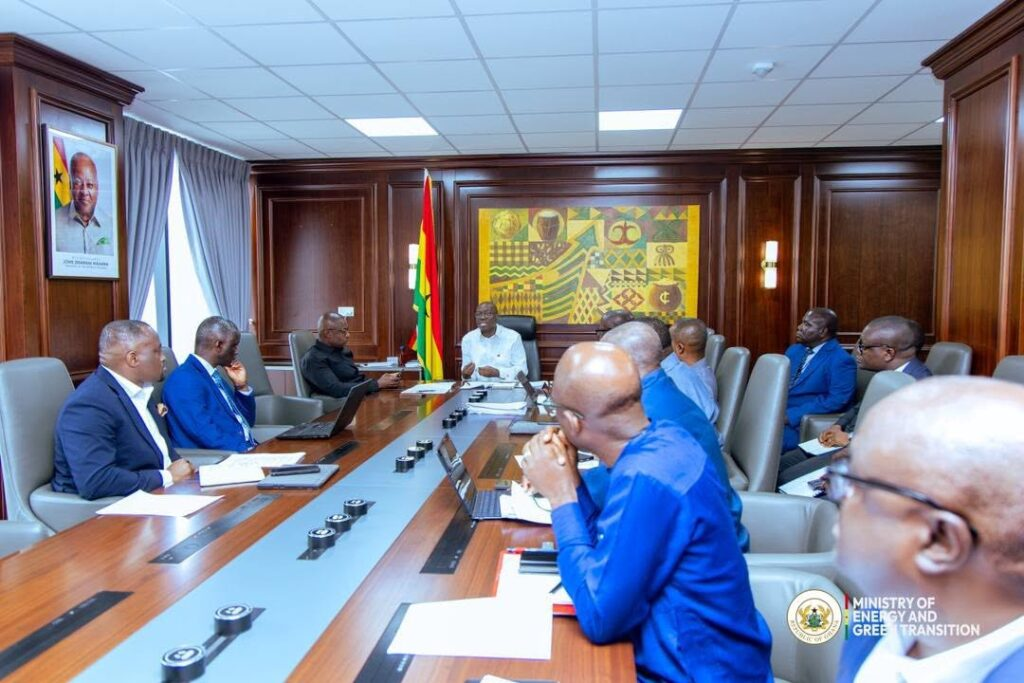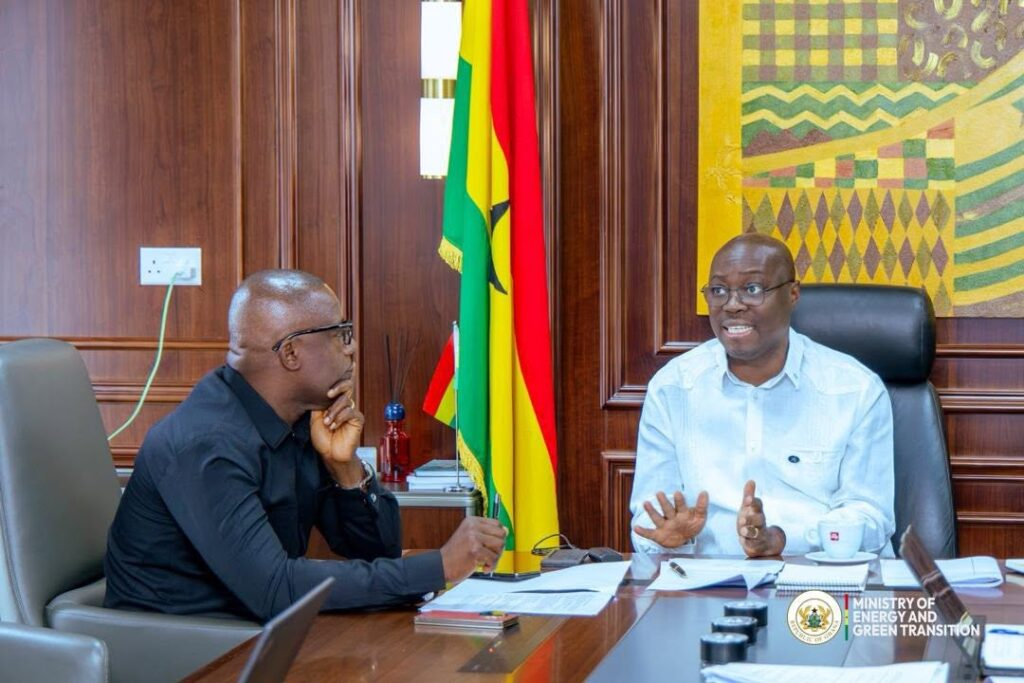

The government’s ambitious plan to transform Ghana’s energy sector has received a major boost after the Finance Ministry pledged its full support for reforms aimed at creating a more efficient, reliable, and sustainable power system.
Energy Minister John Abdulai Jinapor said the Finance Ministry remains committed to supporting the government’s drive to modernise the sector and address long-standing challenges affecting energy delivery in the country.
A NEW ERA FOR GHANA’S ENERGY SECTOR
According to Jinapor, the transformation agenda is focused on improving efficiency, strengthening infrastructure, reducing operational challenges, and ensuring that Ghana’s energy sector becomes more competitive and sustainable.
He noted that achieving these goals requires strong collaboration between the Energy Ministry, the Finance Ministry, and other key stakeholders.
FINANCE MINISTRY READY TO SUPPORT REFORMS
The Energy Minister explained that the Finance Ministry’s backing is critical to securing the resources needed to implement major interventions, including investments in infrastructure, improved sector management, and policies designed to enhance energy security.
He stressed that the government is determined to create a system that provides reliable power while supporting economic growth and industrial development.
ADDRESSING SECTOR CHALLENGES
The energy sector has faced several challenges over the years, including financial pressures, infrastructure gaps, and concerns about sustainability.
Jinapor indicated that the government’s approach will focus on tackling these issues through strategic reforms and stronger institutional coordination.
POWERING GHANA’S FUTURE
The Minister expressed confidence that with the support of the Finance Ministry and other partners, Ghana can achieve a more resilient energy sector capable of meeting the needs of households, businesses, and industries.
The government’s message is clear: the transformation of Ghana’s energy sector is not just about electricity supply — it is about powering the country’s economic future.