

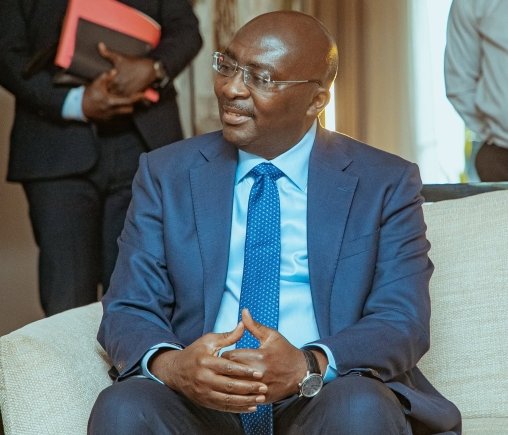
In a significant move that is already generating discussion across Ghana’s political landscape, former Majority Leader Osei Kyei-Mensah-Bonsu has been appointed Chief of Staff in the restructured office of former Vice President Mahamudu Bawumia.
The appointment is being viewed as a strategic step aimed at strengthening the organizational and operational structure around Bawumia as he positions himself for future political engagements. Kyei-Mensah-Bonsu, a veteran politician with decades of parliamentary and governance experience, is expected to play a central role in coordinating activities, managing strategy, and overseeing key aspects of the office’s operations.
Political observers see the move as a signal of Bawumia’s intention to build a more robust and experienced team capable of navigating the evolving political environment ahead of the 2028 general elections.
Known for his extensive legislative experience and influence within the New Patriotic Party (NPP), Kyei-Mensah-Bonsu brings a wealth of institutional knowledge and political expertise to the role. Supporters believe his appointment will enhance coordination and strengthen strategic decision-making within Bawumia’s camp.
The restructuring is also seen as part of broader efforts to consolidate support, improve engagement with stakeholders, and prepare for future political challenges. Analysts suggest that assembling experienced figures around Bawumia could prove crucial as internal party dynamics and national political competition continue to evolve.
The development has already attracted attention from party members and political commentators, many of whom are interpreting the appointment as one of the clearest indications yet that preparations for the next phase of Ghana’s political contest are gradually taking shape.
As the newly restructured office begins its work, all eyes will be on how Kyei-Mensah-Bonsu leverages his experience to help shape strategy, build alliances, and strengthen Bawumia’s political machinery in the years ahead.
For many observers, the appointment is more than a personnel change—it is a calculated move that could influence the direction of Ghanaian politics as the road to 2028 slowly unfolds.