

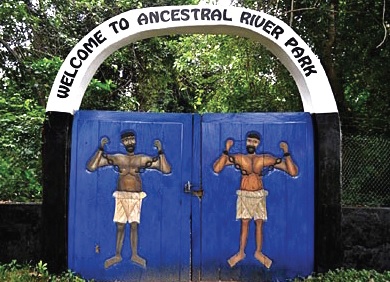
Assin Manso, a small town in the Central Region of Ghana, is home to one of the most poignant sites of the transatlantic slave trade: the “Slave River”, where enslaved Africans were given their last bath before being forced onto ships bound for the Americas. This ritual, both practical and symbolic, was a moment of cruel preparation — cleansing the captives before they were separated from their homeland forever.
Today, Assin Manso has become a major historical and educational site, drawing visitors, descendants of the diaspora, and scholars seeking to honor and remember the lives affected by slavery. The site serves as a stark reminder of the human cost of the trade and the resilience of those who endured unimaginable suffering.
Annual commemorations see ceremonies, storytelling, and guided tours that preserve the memory of the enslaved, encouraging reflection on Ghana’s history and its links to the broader African diaspora. The “last bath” is remembered not just as a ritual of sorrow but as a symbol of dignity, survival, and the enduring spirit of those who were taken.
The story of Assin Manso continues to resonate globally, reminding us that history’s darkest moments must never be forgotten — and that remembering them is essential to honoring those who came before.