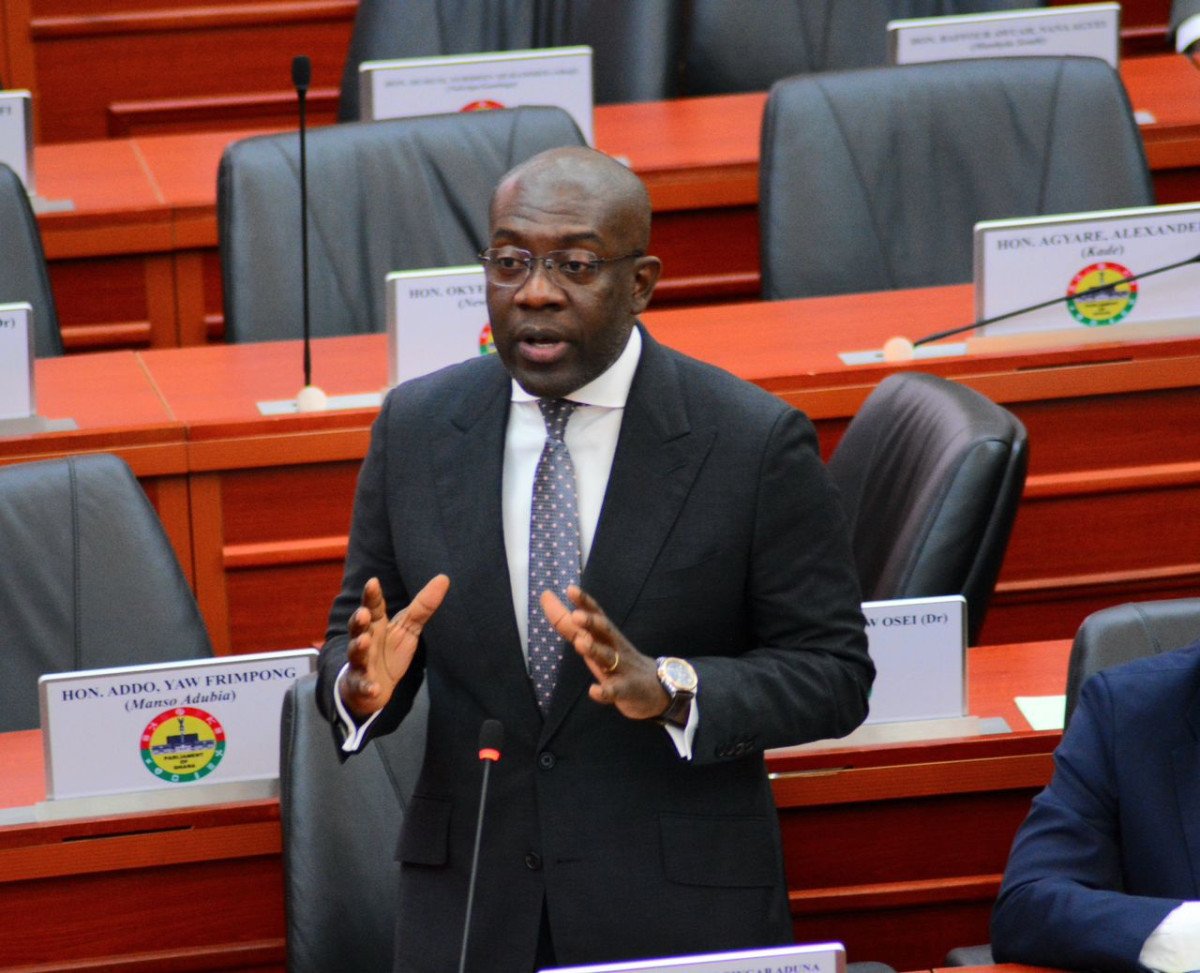
Accra, Ghana — Former Information Minister and Member of Parliament, Kojo Oppong Nkrumah, has raised alarm over what he describes as the growing failure of government job creation initiatives to meaningfully address Ghana’s rising youth unemployment challenge.
Speaking in a sharply worded intervention, Oppong Nkrumah argued that despite multiple state-led interventions and employment schemes, the scale of joblessness among young people continues to outpace the impact of existing programmes.
He cautioned that the country risks deepening social and economic pressure if urgent reforms are not made to improve the effectiveness, coordination, and reach of national job creation policies.
According to him, flagship initiatives under various administrations — including those implemented through state agencies such as the Youth Employment Agency — have not delivered the structural transformation needed to absorb the growing number of job seekers entering the labour market each year.
Oppong Nkrumah stressed that while such programmes provide temporary relief and short-term placements, they fall short of creating sustainable, long-term employment opportunities capable of matching the scale of youth demand.
“The issue is not the absence of programmes, but their inability to fully address the depth of the unemployment challenge,” he warned, urging a shift toward more integrated and productivity-driven job strategies.
His comments have reignited national debate over youth unemployment, a persistent concern that continues to dominate political discourse and policy discussions across Ghana.
Economic analysts note that the challenge is compounded by factors such as rapid population growth, skills mismatches, and limited private sector expansion, all of which place additional pressure on government interventions.
Oppong Nkrumah’s remarks are expected to add momentum to calls for a comprehensive review of employment policy, with increased focus on industrialization, entrepreneurship support, and private sector-led growth.
As public concern mounts, attention is now turning to whether policymakers will introduce new reforms capable of delivering more sustainable employment outcomes for Ghana’s youthful population.
A GROWING NATIONAL PRESSURE POINT
With unemployment remaining a defining socio-economic issue, critics say the effectiveness of government job programmes will remain under intense scrutiny in the months ahead — especially as political debates around economic performance continue to intensify.