
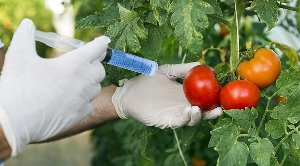
Accra — Agricultural economist Prof. Dittoh has raised concerns over the adoption and use of genetically modified organisms (GMOs) in agriculture, urging policymakers and the public to take a closer look at the potential implications before embracing the technology on a large scale.
His warning has reignited debate over the future of Ghana’s agricultural sector and the role GMOs could play in addressing challenges such as food production, crop yields and food security.
Prof. Dittoh’s position comes amid growing discussions about whether genetically modified crops offer a sustainable solution to agricultural challenges or whether their adoption could create economic, environmental and social concerns that require careful consideration.
At the heart of the debate is the question of who ultimately benefits from GMO technology and what its long-term consequences could be for farmers, consumers and the country’s agricultural system.
Supporters of GMOs argue that biotechnology can help improve crop productivity and address certain agricultural constraints. Critics, however, have raised questions about issues including farmers’ dependence on commercial seed systems, market control, environmental impacts and the long-term implications of widespread adoption.
Prof. Dittoh’s intervention therefore adds another important voice to a debate that extends beyond the science of genetic modification to include economics, food sovereignty, farmer livelihoods and public policy.
As Ghana continues to consider how best to transform its agricultural sector, his concerns are likely to fuel further discussion over whether GMOs should be expanded, regulated more strictly or approached with greater caution.
The debate ultimately underscores the need for decisions on agricultural biotechnology to be informed by scientific evidence, economic considerations and the interests of farmers and consumers.