

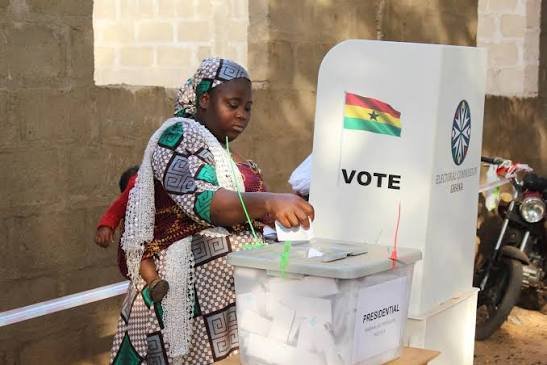
A compelling new study has shed light on one of Ghana’s most pressing political questions: What do voters truly want? The findings suggest that development in key social sectors plays a significant role in influencing electoral outcomes across the country.
The research explores the relationship between government investment in critical areas such as education, healthcare, social protection, and public infrastructure, and how these efforts shape voter perceptions and decisions at the ballot box.
According to the study, citizens are more likely to reward governments that deliver tangible improvements in their daily lives, particularly through better access to quality education, healthcare services, employment opportunities, and essential public amenities.
The findings indicate that while campaign promises and political messaging remain influential, visible development projects and improved public services often carry greater weight when voters assess the performance of political leaders.
Researchers argue that sustained investment in the social sector not only improves living standards but can also strengthen public trust in government, potentially translating into increased electoral support during national and local elections.
The study further highlights that voters are becoming increasingly discerning, placing greater emphasis on measurable development outcomes rather than partisan loyalty alone. This trend, experts say, reflects the growing demand for accountable leadership and results-driven governance.
Political analysts believe the research offers valuable insights for policymakers and political parties preparing for future elections, emphasizing that meaningful investments in human development may prove to be one of the most effective strategies for earning public confidence.
As Ghana’s political landscape continues to evolve, the study reinforces a clear message: voters are paying close attention to the impact of government policies on their everyday lives, and development in the social sectors could remain a decisive factor in determining electoral success.