

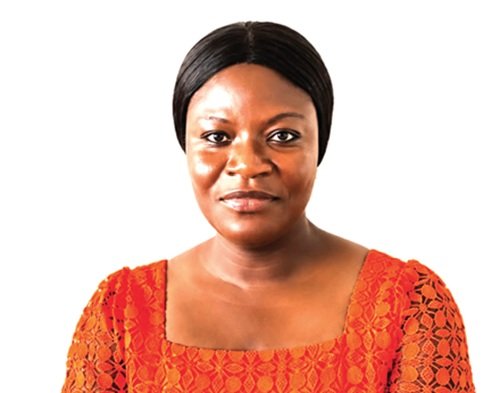
GenCED warns that the growing influence of money in internal party elections could undermine democratic participation, disadvantage first-time aspirants and hand political power to the highest bidders.
The growing menace of vote-buying in internal political party elections is threatening the chances of new entrants seeking to break into Ghana’s political space, raising fresh concerns about fairness, equal opportunity and the integrity of the country’s democratic processes.
The Centre for Governance and Economic Development (GenCED) has sounded the alarm over the practice, warning that the increasing influence of money in party contests could create an uneven playing field, particularly for first-time aspirants and individuals without the financial muscle to compete against established political figures.
According to concerns raised by GenCED, the monetisation of internal party elections risks transforming democratic contests into financial competitions, where candidates with deeper pockets enjoy an unfair advantage over those with fresh ideas, competence and a genuine commitment to public service.
The development poses a significant threat to political inclusiveness, as aspiring leaders who lack access to substantial financial resources may be discouraged from participating in party elections or forced out of the race altogether.
Money Taking Centre Stage in Internal Party Elections
Vote-buying has increasingly become a major concern in political party contests, with fears that financial inducements could influence delegates and compromise the credibility of candidate selection processes.
Rather than allowing delegates to assess aspirants based on their leadership abilities, track records, policy proposals and vision for the party, the practice risks shifting attention towards financial rewards and material benefits.
This situation could give wealthy aspirants an unfair advantage, regardless of their competence or readiness to serve.
For new entrants, the consequences could be particularly devastating. Without established political networks, financial backing or access to influential party structures, emerging politicians may find it extremely difficult to compete in an environment where money plays a decisive role.
A Threat to Political Inclusiveness and Equal Opportunity
The concerns raised by GenCED highlight a broader challenge confronting Ghana’s multiparty democracy: ensuring that political participation is not reserved for individuals with considerable financial resources.
When money becomes a determining factor in internal party elections, capable individuals from less privileged backgrounds risk being excluded from leadership opportunities.
Such a development could weaken political diversity, limit the emergence of new leadership and reinforce the dominance of wealthy and politically connected individuals.
It could also discourage young people, women and other underrepresented groups from pursuing political careers, particularly when their chances of success appear to depend more on financial capacity than competence and public support.
Democracy at Risk as Political Competition Becomes Expensive
Political parties remain central to Ghana’s democratic governance, serving as platforms through which citizens seek leadership positions and participate in national decision-making.
However, when internal electoral processes become heavily influenced by financial inducements, the credibility of these institutions comes under threat.
The implications could extend beyond party primaries. Candidates who spend substantial amounts of money to secure party positions may face pressure to recover their investments once they assume public office, potentially creating conditions that undermine accountability and encourage corruption.
This makes vote-buying not merely an internal party problem but a wider governance concern with potentially serious consequences for public trust and democratic accountability.
Calls for Urgent Action
The concerns surrounding vote-buying underscore the need for political parties to strengthen their internal electoral systems and enforce clear rules against the distribution of money and other inducements during party contests.
Party leadership, delegates, election management committees and other relevant stakeholders must work together to promote transparent, credible and merit-based candidate selection processes.
There is also a need to encourage political education among delegates, strengthen accountability mechanisms and ensure that complaints of electoral malpractice are investigated and addressed without fear or favour.
Ultimately, Ghana’s democracy can only flourish when political opportunities are accessible to all qualified aspirants, regardless of their financial circumstances.
GenCED’s warning therefore raises an important question for Ghana’s political establishment: Will internal party elections remain genuine contests of ideas, competence and leadership, or will they increasingly become auctions where the highest bidder wins?
The answer could have far-reaching implications for the future of political participation, leadership renewal and democratic accountability in Ghana.