

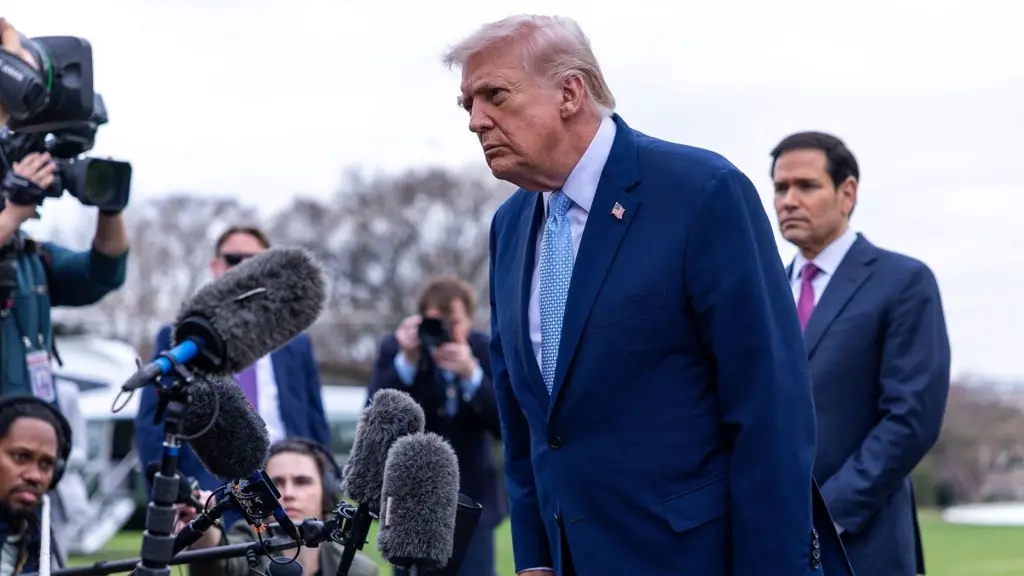
In a dramatic move that surprised many, U.S. President Donald Trump announced Monday that planned military strikes on Iranian power plants and energy infrastructure would be postponed for five days following what he described as “very good and productive conversations” with Tehran about ending hostilities in the Middle East.
Trump said the talks over the past two days were “in-depth, detailed, and constructive” and suggested that continued dialogue could pave the way to a “complete and total resolution” of the three-week-long war.
The pause comes amid the most intense phase of the conflict, which has already roiled energy markets and global financial markets. Shares rallied and oil prices plunged sharply on news of the postponement, highlighting the volatility caused by military escalations.
However, the president’s claim of diplomatic progress has faced immediate pushback. Iran’s Islamic Revolutionary Guard Corps denied any direct negotiations with the U.S. that would justify a truce, arguing that reports of talks “only reflect a crisis in the American position.”
The conflicting messages deepen uncertainty over whether Trump’s announcement signals a genuine opening for peace or a tactical pause in hostilities. His latest move marks a stark shift from earlier threats, including an ultimatum tied to reopening the strategic Strait of Hormuz, the vital oil transit route whose closure has contributed to global energy disruption.
As both sides trade claims, world leaders and markets remain on edge, watching to see if this diplomatic gambit will actually cool tensions or quickly reignite one of the most dangerous confrontations in recent memory.