Tag: Trump

  • “Trump Sparks Outrage After Pardoning Clean Air Act Violators — Including High-Profile Major Donor”

    “Trump Sparks Outrage After Pardoning Clean Air Act Violators — Including High-Profile Major Donor”

    Former U.S. President Donald Trump has triggered fresh political controversy after reportedly issuing pardons to individuals convicted of violating the Clean Air Act, including a case involving a prominent political donor.

    The move has ignited debate across the United States, with critics arguing that the pardons raise serious concerns about environmental accountability and the influence of money in the justice system.

    According to reports, the pardoned individuals were previously convicted in cases related to environmental pollution and regulatory breaches under federal clean air laws. One of the beneficiaries is said to be a major donor with longstanding ties to political fundraising circles, further intensifying public scrutiny.

    Supporters of the decision argue that presidential pardon powers are constitutional and can be used to correct what they consider excessive or politically motivated prosecutions. However, opponents say the decision undermines efforts to enforce environmental protections and weakens deterrence for corporate misconduct.

    Environmental advocacy groups have expressed alarm, warning that the move could set a troubling precedent for future enforcement of pollution laws.

    The development has once again placed Trump’s use of pardon powers under the spotlight, adding to ongoing debates about executive authority and accountability in the U.S. justice system.

  • Panic in Washington: Shots Fired Near Correspondents’ Dinner as Trump Confirmed Safe

    Panic in Washington: Shots Fired Near Correspondents’ Dinner as Trump Confirmed Safe

    Tension gripped the U.S. capital after reports of gunfire near the high-profile White House Correspondents’ Dinner sent shockwaves through political and media circles.

    According to early accounts, the incident unfolded close to the venue where journalists, celebrities, and top political figures had gathered for the prestigious annual event. Moments of confusion and fear spread rapidly as attendees and security personnel reacted to the alarming situation.

    Amid the chaos, officials quickly moved to reassure the public that U.S. President Donald Trump was safe and not in danger. Security around the president was immediately tightened, with law enforcement agencies launching a swift response to secure the area and investigate the source of the gunfire.

    Witnesses described scenes of heightened alert, with sirens blaring and armed officers flooding the vicinity. Some attendees were reportedly ushered to safer locations as precautionary measures were put in place.

    While details remain limited, authorities have urged calm and cautioned against speculation as investigations continue. The motive behind the shooting and whether it was directly connected to the event are still unclear.

    The White House Correspondents’ Dinner, known for bringing together influential figures from politics and the media, has long been considered a symbol of the relationship between the press and the presidency. This unexpected incident has now cast a shadow over what is typically an evening of satire and celebration.

    As the situation develops, all eyes remain on Washington for further updates on what could have been a far more tragic outcome.

  • Trump Pulls Back from War: Postpones Strikes on Iran Power Plants After “Productive” Talks

    Trump Pulls Back from War: Postpones Strikes on Iran Power Plants After “Productive” Talks

    In a dramatic move that surprised many, U.S. President Donald Trump announced Monday that planned military strikes on Iranian power plants and energy infrastructure would be postponed for five days following what he described as “very good and productive conversations” with Tehran about ending hostilities in the Middle East.

    Trump said the talks over the past two days were “in-depth, detailed, and constructive” and suggested that continued dialogue could pave the way to a “complete and total resolution” of the three-week-long war.

    The pause comes amid the most intense phase of the conflict, which has already roiled energy markets and global financial markets. Shares rallied and oil prices plunged sharply on news of the postponement, highlighting the volatility caused by military escalations.

    However, the president’s claim of diplomatic progress has faced immediate pushback. Iran’s Islamic Revolutionary Guard Corps denied any direct negotiations with the U.S. that would justify a truce, arguing that reports of talks “only reflect a crisis in the American position.”

    The conflicting messages deepen uncertainty over whether Trump’s announcement signals a genuine opening for peace or a tactical pause in hostilities. His latest move marks a stark shift from earlier threats, including an ultimatum tied to reopening the strategic Strait of Hormuz, the vital oil transit route whose closure has contributed to global energy disruption.

    As both sides trade claims, world leaders and markets remain on edge, watching to see if this diplomatic gambit will actually cool tensions or quickly reignite one of the most dangerous confrontations in recent memory.

  • Trump Announces 5-Day Pause in Military Strikes on Iran Power Plants After Tehran Talks

    Trump Announces 5-Day Pause in Military Strikes on Iran Power Plants After Tehran Talks

    In a dramatic shift in U.S.-Iran relations, President Donald Trump has announced a five-day suspension of planned military strikes on Iranian power plants and energy infrastructure following recent diplomatic talks. The announcement marks a notable retreat from earlier warnings of immediate military action, signaling a potential window for negotiation after weeks of heightened tension.

    Trump described the talks as “very good and productive,” emphasizing that the pause is intended to give diplomacy a chance to succeed. The talks reportedly focused on de-escalating hostilities and reopening communication channels between Washington and Tehran.

    The decision comes after Trump had issued an ultimatum demanding that Iran fully reopen the strategic Strait of Hormuz, warning that failure to comply could trigger strikes on critical energy infrastructure. Instead of immediate action, the president has ordered U.S. military planners to stand down temporarily while negotiations continue over the next five days.

    Financial markets reacted strongly to the announcement, with global stock indexes rising and oil prices dropping as fears of imminent conflict eased. Analysts, however, caution that the underlying tensions remain unresolved, and any breakdown in talks could reignite military escalation.

    International reactions have been mixed. U.S. officials frame the pause as an opportunity for diplomacy, while Iranian state media portrays the move as a concession by Washington in response to Tehran’s firm stance.

    The five-day pause comes during one of the most volatile periods in U.S.-Iran relations in recent years, with broader regional concerns involving Israel, energy security, and the strategic importance of the Strait of Hormuz. The coming days will be closely watched to see whether negotiations produce tangible results or merely delay further confrontation.

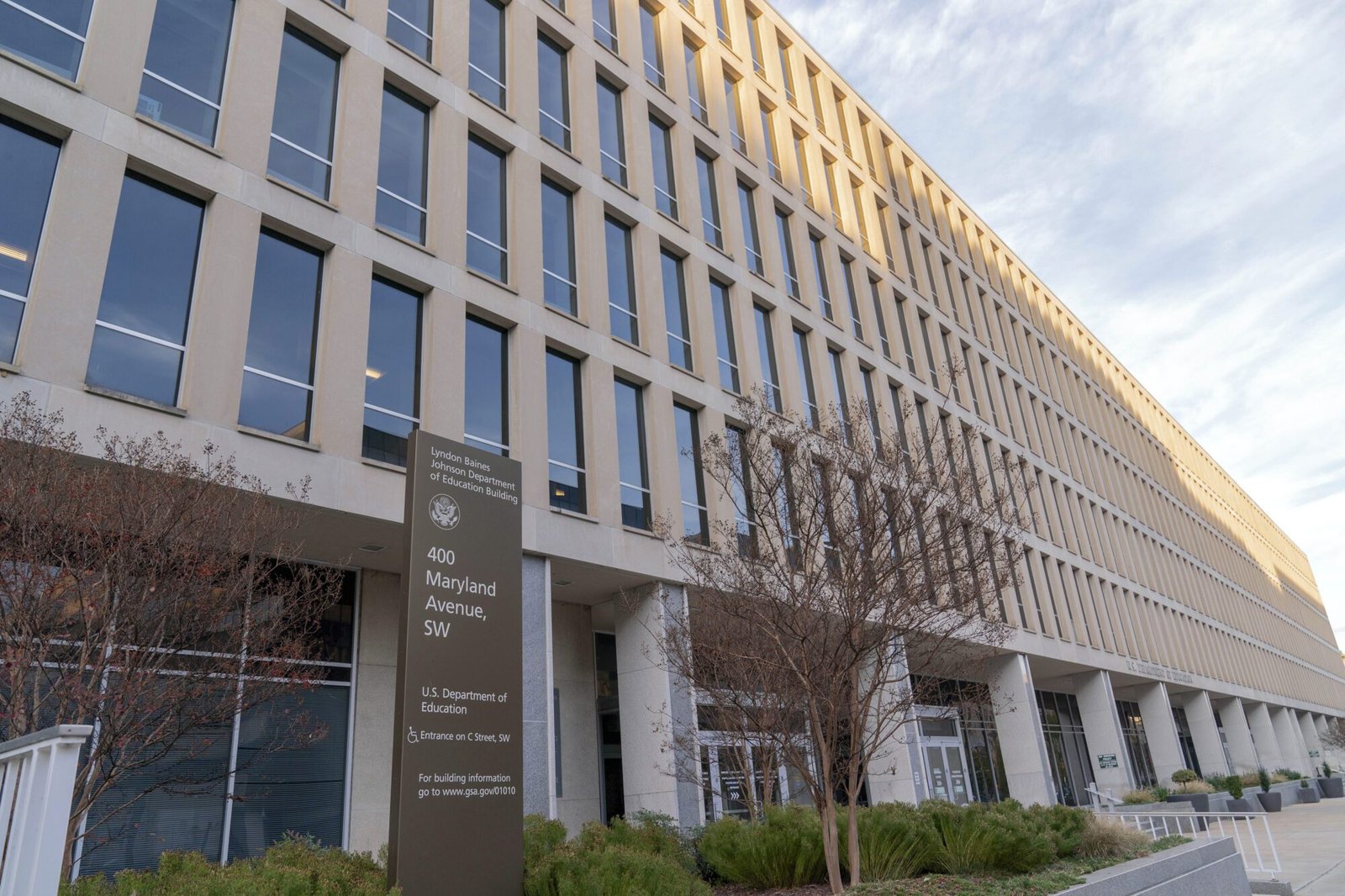
  • Trump’s Student Loan Power Grab: Treasury Takes Control as Education Department Is Stripped Back

    Trump’s Student Loan Power Grab: Treasury Takes Control as Education Department Is Stripped Back

    In a sweeping and highly contentious move, Donald Trump is shifting control of federal student loans to the U.S. Treasury Department, intensifying efforts to scale back the authority of the Department of Education.

    The decision marks a dramatic restructuring of how student debt is managed in the United States. By transferring oversight of the massive federal loan portfolio, the administration is effectively removing one of the Education Department’s most significant responsibilities.

    This development is part of a broader campaign to dismantle or significantly reduce the role of the Department of Education. Long criticized by conservatives as bloated and inefficient, the agency now faces one of its most consequential losses of power in decades.

    For millions of borrowers, the implications are uncertain and potentially far-reaching. Questions are mounting over whether repayment programs, forgiveness initiatives, and borrower protections will remain intact under Treasury management. So far, officials have provided limited clarity, leaving borrowers in a state of unease.

    Supporters of the move argue that the Treasury Department is better equipped to handle large-scale financial operations and could bring greater efficiency and fiscal discipline to the system. Critics, however, warn that shifting control to a department focused on revenue collection risks turning student lending into a harsher, less forgiving process.

    With more than a trillion dollars in student debt hanging in the balance, the transfer signals a pivotal moment in U.S. education policy. As the transition unfolds, political tensions are expected to escalate, and the future of federal student aid hangs in the balance.