Tag: Oppong Nkrumah

  • “Fewer Ministers, More Diplomats?” — Oppong Nkrumah Slams NDC Over Alleged Expansion of Diplomatic Payroll

    “Fewer Ministers, More Diplomats?” — Oppong Nkrumah Slams NDC Over Alleged Expansion of Diplomatic Payroll

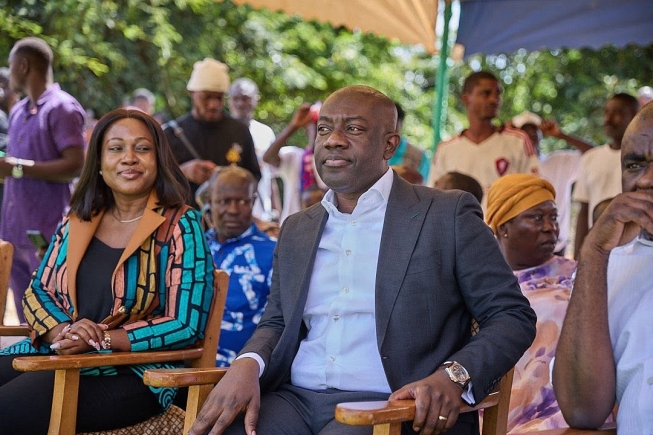
    Former Information Minister and Member of Parliament, Kojo Oppong Nkrumah, has launched a sharp critique of the ruling National Democratic Congress (NDC), accusing the government of contradiction in its public sector reforms.

    According to him, while the NDC has publicly touted a reduction in the number of government ministers as part of efforts to streamline governance and cut costs, the reality on the ground suggests a different picture—an expanding diplomatic payroll that he claims offsets any savings made from the ministerial cuts.

    Oppong Nkrumah argued that the alleged increase in diplomatic appointments raises concerns about consistency in government expenditure control, questioning whether the overall wage bill is truly being reduced as communicated to the public.

    His comments have reignited political debate, with critics and supporters of both the government and opposition trading arguments over transparency, fiscal discipline, and public sector efficiency.

    The NDC, however, has not formally responded to the specific claims at the time of reporting.

    The development adds another layer to ongoing political tensions over government size and spending priorities, with analysts suggesting the issue could become a recurring talking point as scrutiny over public finances intensifies.

  • “YOUTH UNEMPLOYMENT CRISIS UNDER FIRE” — OPPONG NKRUMAH REVEALS FIVE-POINT RESCUE STRATEGY

    “YOUTH UNEMPLOYMENT CRISIS UNDER FIRE” — OPPONG NKRUMAH REVEALS FIVE-POINT RESCUE STRATEGY

    Former Minister Pushes Aggressive Job Creation Agenda Amid Rising Youth Joblessness

    Former Information Minister and Member of Parliament, Kojo Oppong Nkrumah, has unveiled a bold five-point strategy aimed at confronting Ghana’s growing youth unemployment crisis, describing the situation as urgent and requiring immediate, coordinated national action.

    Speaking in an engagement focused on economic transformation and labour market challenges, he warned that rising joblessness among young people poses a serious threat to social stability and long-term national development if left unaddressed.

    “A National Emergency in Disguise”

    Oppong Nkrumah characterized youth unemployment as a structural challenge that demands more than short-term interventions, insisting that Ghana must shift toward policies that actively create opportunities rather than merely responding to joblessness after it occurs.

    He argued that sustainable solutions must combine private sector expansion, skills development and innovation-driven growth.

    Five-Point Blueprint for Job Creation

    The MP outlined a five-pronged strategy designed to reshape the employment landscape:

    1. Accelerated Private Sector Expansion
    He called for stronger incentives and policy reforms to enable businesses to scale up and absorb more labour.

    2. Skills Revolution for the Modern Economy
    He emphasized technical, vocational and digital training as essential tools for preparing young people for emerging job markets.

    3. Entrepreneurship and Startup Support
    He urged increased funding, mentorship and institutional backing for young entrepreneurs to turn ideas into viable businesses.

    4. Focus on High-Growth Sectors
    He identified technology, agribusiness, manufacturing and the creative industry as key engines for future job creation.

    5. Education–Industry Alignment
    He stressed the need to reform education systems to reflect real-world labour market demands and reduce the mismatch between graduates and available jobs.

    Call for Coordinated Action

    Kojo Oppong Nkrumah further called on government, private sector actors and educational institutions to work together in implementing long-term solutions rather than isolated policy responses.

    He insisted that Ghana’s youthful population represents a major economic asset — but only if properly harnessed through deliberate and sustained investment.

    National Debate Intensifies

    His proposals have added momentum to ongoing national discussions about employment, with many stakeholders arguing that bold reforms are needed to prevent the deepening of youth joblessness.

    Analysts say the five-point strategy is likely to influence future policy debates, especially as pressure mounts on policymakers to deliver practical employment solutions for the country’s growing youth population.

  • OPPONG NKRUMAH UNVEILS 5 BOLD SOLUTIONS TO TACKLE GHANA’S YOUTH UNEMPLOYMENT CRISIS

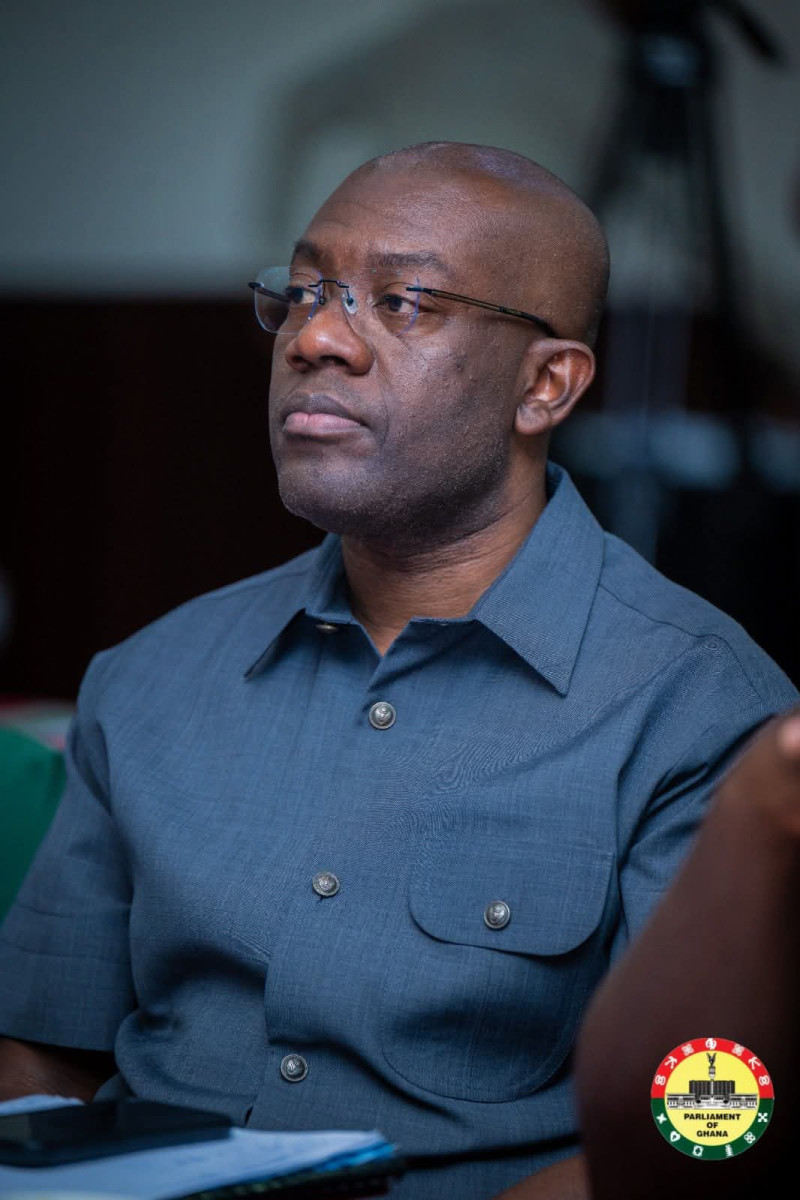
    OPPONG NKRUMAH UNVEILS 5 BOLD SOLUTIONS TO TACKLE GHANA’S YOUTH UNEMPLOYMENT CRISIS

    Former Minister Outlines Strategic Roadmap to Create Jobs and Empower the Next Generation

    Amid growing concerns over youth unemployment in Ghana, former Minister for Information and Member of Parliament, Kojo Oppong Nkrumah, has proposed five key interventions aimed at creating sustainable employment opportunities and unlocking the potential of the country’s youthful population.

    Speaking on the pressing challenge facing thousands of graduates and job seekers across the nation, Oppong Nkrumah stressed the need for deliberate policies that prioritize job creation, skills development and private sector growth.

    According to him, tackling unemployment requires a comprehensive national strategy that addresses both the demand and supply sides of the labour market.

    1. Boost Private Sector Growth

    Oppong Nkrumah emphasized the need for policies that support businesses to expand and create more jobs. He noted that a thriving private sector remains the most sustainable source of employment and should receive greater support through improved access to finance, tax incentives and a conducive business environment.

    2. Invest in Skills Development

    The former minister called for increased investment in technical, vocational and digital skills training to equip young people with competencies that match the demands of the modern job market.

    3. Strengthen Entrepreneurship Support

    He advocated stronger support systems for young entrepreneurs, including access to startup capital, mentorship programmes and business development services that can help transform innovative ideas into successful enterprises.

    4. Expand Opportunities in Emerging Industries

    Oppong Nkrumah highlighted the potential of sectors such as technology, agribusiness, renewable energy and the creative economy to generate large-scale employment opportunities for the youth.

    5. Improve Industry-Education Linkages

    He also stressed the importance of aligning educational curricula with industry needs to reduce the mismatch between graduate qualifications and available jobs, thereby enhancing employability.

    Urgent Call for Action

    Oppong Nkrumah warned that youth unemployment remains one of the country’s most pressing socio-economic challenges and requires urgent, coordinated action from government, the private sector and educational institutions.

    He expressed confidence that with the right policies and investments, Ghana can harness the energy, creativity and talent of its young population to drive economic growth and national development.

    His proposals have sparked discussions among policymakers, business leaders and youth groups, many of whom view the recommendations as practical steps toward addressing the unemployment challenge and creating a brighter future for the country’s young people.

  • LOOKING AHEAD: Oppong Nkrumah Hints at Future Probe Into Controversial Gold-for-Reserves Deal

    LOOKING AHEAD: Oppong Nkrumah Hints at Future Probe Into Controversial Gold-for-Reserves Deal

    Ghanaian Information Minister Kojo Oppong Nkrumah has sent shockwaves through political and financial circles by warning of a potential future investigation into the contentious Gold-for-Reserves transaction.

    Speaking in a recent statement, Oppong Nkrumah stressed that while the deal had been executed under existing frameworks, there are concerns about transparency, accountability, and value for the state—issues that could warrant a formal probe in due course.

    A Deal Under the Microscope
    The Gold-for-Reserves arrangement, which involved exchanging Ghanaian gold assets for foreign currency reserves, has long been a subject of debate among economists, lawmakers, and civil society. Critics argue that the deal lacked sufficient oversight and may have exposed the nation to financial risk, while supporters insist it was a necessary measure to stabilize national reserves.

    By raising the prospect of a future investigation, Oppong Nkrumah appears to be signaling a renewed commitment to scrutinize high-stakes government agreements, especially those with long-term economic consequences.

    Political Ripples Expected
    Analysts predict the warning could set off a political firestorm, particularly if lawmakers or anti-corruption bodies take up the call for a probe. Questions over the deal’s timing, beneficiaries, and negotiation process are likely to dominate discussions in the coming weeks.

    Oppong Nkrumah’s remarks also serve as a cautionary note to government agencies and state institutions: even major financial deals may face retrospective examination if there are lingering doubts about their conduct or outcomes.

    This unfolding story positions the Gold-for-Reserves transaction at the center of Ghana’s economic accountability debate, leaving both the public and officials bracing for what could become a landmark investigation.


  • ECONOMIC ALERT: Oppong Nkrumah Slams Government as “Out of Touch with Grassroots” Amid Recovery Talks

    ECONOMIC ALERT: Oppong Nkrumah Slams Government as “Out of Touch with Grassroots” Amid Recovery Talks

    Ghana’s economic recovery efforts have come under fire as Kojo Oppong Nkrumah, the Minister of Information, issued a stark warning that the government risks losing touch with the realities faced by ordinary citizens.

    In a candid statement, Oppong Nkrumah lamented that while policymakers discuss high-level economic strategies and recovery plans, many grassroots communities continue to struggle with rising prices, unemployment, and limited access to essential services. “It is one thing to talk about macroeconomic growth, but another to ensure the people on the ground feel its benefits,” he said.

    The minister’s remarks come amid ongoing debates about Ghana’s post-pandemic recovery, inflation pressures, and government interventions to stimulate growth. Critics argue that the voices of everyday Ghanaians are often sidelined, leaving policies disconnected from practical realities.

    Economic analysts have pointed out that bridging this gap requires targeted programs, stronger communication with local communities, and accountability measures to ensure recovery strategies reach those who need them most. Oppong Nkrumah emphasized the need for “listening as much as planning,” urging policymakers to engage directly with citizens rather than relying solely on statistics and reports.

    Social media and public forums quickly reacted to the statement, with many Ghanaians echoing the sentiment that government strategies must be grounded in the lived experiences of the people.

    As Ghana navigates its path to economic recovery, Oppong Nkrumah’s warning serves as a reminder that growth is only meaningful when it translates into tangible improvements for citizens at every level of society.