Tag: John Dramani Mahama

  • NPP has no trust in Mahama’s pledge not to seek third term – Richard Gyamfi

    NPP has no trust in Mahama’s pledge not to seek third term – Richard Gyamfi

    The opposition party’s communicator says concerns over ongoing Supreme Court proceedings on presidential term limits require closer scrutiny, despite the President’s stated position.

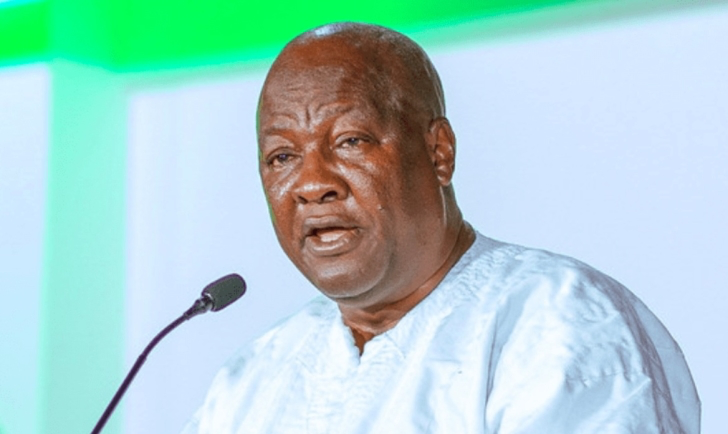
    A member of the New Patriotic Party’s (NPP) communications team, Richard Gyamfi, has expressed reservations about President John Dramani Mahama’s pledge not to seek a third term, amid continuing debate over the constitutional limits on presidential tenure.

    The concerns reflect the NPP’s broader position that the country must guard against any interpretation of the 1992 Constitution that could allow a president to remain in office beyond the permitted number of terms.

    The debate has intensified following legal proceedings at the Supreme Court seeking clarification on whether the constitutional limit of two presidential terms applies to consecutive terms only or to two terms served at different periods.

    The NPP has filed a case asking the court to clarify the provisions governing presidential tenure and affirm that a person cannot be elected president more than twice, irrespective of whether the terms are consecutive or non-consecutive. 

    The party has repeatedly questioned whether the ongoing legal proceedings could create an avenue for President Mahama to contest another presidential election.

    In July 2026, NPP National Organiser Henry Nana Boakye, popularly known as Nana B, accused the President of being behind what he described as a “veiled third-term agenda”. He argued that the constitutional term limits must be upheld and warned against any interpretation that could weaken them. 

    The NPP’s concerns centre on the constitutional interpretation being sought rather than any declared intention by the President to contest a third term.

    President Mahama has previously stated that he does not intend to seek a third term, while government spokesperson Felix Kwakye Ofosu has dismissed the allegations as political propaganda.

    Mr Kwakye Ofosu has maintained that the President’s position on the matter is clear and that the legal proceedings should not be interpreted as evidence of a plan to extend his tenure. 

    Supreme Court proceedings remain central

    The Supreme Court’s interpretation of Articles 58 and 66 of the 1992 Constitution is expected to provide clarity on the limits of presidential eligibility and the treatment of non-consecutive terms.

    The outcome could have implications for future presidential elections and the interpretation of Ghana’s constitutional safeguards against prolonged political tenure.

    The controversy has generated competing positions between the NPP and the governing National Democratic Congress (NDC), with the opposition demanding strict adherence to the two-term limit and government representatives rejecting suggestions that the President intends to circumvent the Constitution.

    The court’s eventual determination will be central to resolving the legal question. Until then, claims about a possible third-term bid remain contested political assertions rather than an established presidential decision.

  • THE MAHAMA MYSTIQUE: TWO YEARS ON, WHY GHANAIANS STILL CAN’T GET ENOUGH OF THE PRESIDENT

    THE MAHAMA MYSTIQUE: TWO YEARS ON, WHY GHANAIANS STILL CAN’T GET ENOUGH OF THE PRESIDENT

    Two years into his presidency, John Dramani Mahama continues to command remarkable political attention. But what is behind his enduring appeal? Is it his leadership style, political experience, personal charisma, or the promise of a better Ghana?

    Two years into his return to power, President John Dramani Mahama remains one of Ghana’s most compelling and talked-about political figures. From the corridors of power to the streets, markets and social media platforms, the Mahama phenomenon continues to generate intense public interest, political debate and passionate reactions.

    But what exactly explains the enduring fascination with the man many Ghanaians continue to regard as a familiar face with a renewed political mission?

    Is it the charisma? The communication style? The political resilience? Or is there something deeper about the Mahama brand that continues to resonate with a significant section of the Ghanaian electorate?

    Whatever the explanation, one thing is increasingly difficult to ignore: the Mahama mystique has refused to fade.

    A POLITICAL COMEBACK THAT REDEFINED THE NARRATIVE

    Mahama’s political journey has been anything but ordinary. Having served as president from 2012 to 2017, he experienced both the privileges and pressures of the highest office in the land.

    His defeat in the 2016 general election could easily have marked the end of his presidential ambitions. Yet, rather than disappear from the political landscape, he remained active, rebuilt his political machinery and eventually returned to the presidency following the 2024 general election.

    That comeback helped reshape his political image.

    To his supporters, Mahama became a symbol of perseverance, political maturity and the possibility of redemption. His return was not merely another electoral victory; it was a dramatic political comeback that reinforced his standing as one of Ghana’s most consequential political figures.

    For many, the man who once left the Jubilee House had returned with unfinished business.

    THE POWER OF FAMILIARITY: A PRESIDENT GHANAIANS ALREADY KNOW

    One of Mahama’s greatest political assets may be the familiarity he enjoys with the Ghanaian electorate.

    Unlike a political newcomer, he does not need to introduce himself to the country. Ghanaians have witnessed his leadership, heard his speeches, examined his decisions and debated his record.

    That familiarity creates a unique political advantage.

    His supporters see an experienced leader who understands the machinery of government and the challenges facing the country. Even some of his critics acknowledge that he brings considerable political experience to the presidency.

    In a political environment where voters increasingly demand results, experience and institutional knowledge can become powerful selling points.

    But familiarity also comes with expectations. Having occupied the presidency before, Mahama is being judged not only on his promises but also on his previous record and his ability to demonstrate what he has learned.

    THE CHARISMA FACTOR: WHY HIS COMMUNICATION STYLE MATTERS

    Politics is not always about policies, statistics and government programmes. Sometimes, it is also about personality, connection and the ability to communicate a compelling vision.

    Mahama has cultivated a public image that combines political confidence with a relatively conversational communication style.

    His speeches, public engagements and interactions with citizens have helped sustain his visibility and strengthen his connection with supporters.

    For his admirers, he is approachable, articulate and politically relatable. His ability to connect national conversations with everyday concerns remains an important feature of his public appeal.

    In an age where political communication is increasingly shaped by social media, personality and public perception, this ability to remain visible and relevant matters enormously.

    THE ECONOMIC QUESTION: CAN POPULARITY SURVIVE THE TEST OF PERFORMANCE?

    Yet, behind the political excitement lies a more difficult question: can Mahama’s enduring appeal withstand the realities of governance?

    Ghanaians are not simply looking for a president who can command headlines, deliver memorable speeches or dominate political conversations. They want tangible improvements in their daily lives.

    The cost of living, employment opportunities, inflation, the stability of the cedi, business conditions, public infrastructure and access to essential services remain central to the national conversation.

    For many citizens, the true measure of Mahama’s presidency will be whether economic conditions improve and whether government policies translate into meaningful opportunities.

    This is where the Mahama mystique faces its biggest test.

    Political goodwill can generate patience, but it cannot indefinitely replace performance. Public enthusiasm can sustain a government through difficult moments, but ultimately, citizens will demand evidence that their confidence was justified.

    THE OPPOSITION FACTOR: WHY THE POLITICAL DEBATE REMAINS INTENSE

    Mahama’s political appeal cannot be separated from Ghana’s fiercely competitive political environment.

    The National Democratic Congress (NDC) and the New Patriotic Party (NPP) have long been at the centre of Ghana’s electoral contest, with their supporters offering sharply contrasting interpretations of the country’s political and economic direction.

    For the NDC faithful, Mahama represents a leader who has returned with renewed determination and a mandate to deliver on his promises.

    For the opposition, however, his administration must be scrutinised, challenged and held accountable.

    This political contest helps explain why his presidency continues to attract such intense attention. Every major announcement, policy decision, public appearance and economic development becomes another opportunity for supporters and critics to advance their competing narratives.

    Mahama is therefore not merely governing a country; he is also navigating a political environment in which public perception can be almost as consequential as policy delivery.

    THE EXPECTATION TRAP: WHEN HOPE BECOMES A DEMANDING TASKMASTER

    Perhaps the most fascinating aspect of Mahama’s enduring appeal is the weight of expectation surrounding his presidency.

    His return to power generated considerable optimism among supporters who believed his previous experience had prepared him for another opportunity to lead Ghana.

    But high expectations can become a double-edged sword.

    The more people invest emotionally and politically in a leader, the more demanding they become when results are slow to materialise.

    Mahama must therefore contend with a delicate balancing act: preserving the goodwill that helped propel him back into office while making difficult decisions capable of delivering measurable results.

    His political legacy will ultimately depend less on the excitement surrounding his return and more on what his administration achieves.

    THE MAHAMA MYSTIQUE: A PERSONALITY, A POLITICAL BRAND OR A NATIONAL PHENOMENON?

    Two years into his renewed presidency, the Mahama phenomenon raises a bigger question about Ghanaian politics.

    Are voters increasingly attracted to individual political personalities? Has his comeback strengthened his image as a resilient leader? Or does his appeal reflect the continuing influence of party loyalty, political nostalgia and the search for an alternative direction?

    The answer is probably a combination of these factors.

    Mahama’s political brand draws strength from experience, familiarity, communication, personal resilience and the expectations attached to his return.

    But the mystique should not be mistaken for universal approval. Ghana remains politically divided, and his administration will continue to face scrutiny from citizens with different expectations and political loyalties.

    Ultimately, the real test is whether the excitement surrounding his leadership can be converted into lasting national progress.

    THE FINAL VERDICT: THE HONEYMOON WILL NOT LAST FOREVER

    The Mahama mystique is a fascinating political story, but it is also a story with an uncertain ending.

    His journey from president to opposition leader and back to the presidency has cemented his place in Ghana’s political history. His comeback demonstrated remarkable political resilience and confirmed his ability to remain relevant in a highly competitive political landscape.

    Yet, history will not judge him simply by how spectacularly he returned to power.

    It will judge him by what he does with the opportunity.

    Can he translate political goodwill into economic relief? Can he create jobs, strengthen institutions, improve public services and restore confidence in the economy? Can he meet the expectations of those who voted for him while earning the confidence of those who did not?

    These are the questions that will determine whether the Mahama mystique becomes a lasting political legacy or simply another chapter in Ghana’s fascinating electoral history.

    For now, the fascination endures. But in the final analysis, Ghanaian voters will want more than a charismatic president and a remarkable political comeback. They will want results.
  • Mahana Clarifies Ban on Bus Preaching: “You Can Still Preach, Just Not When Moving”

    Mahana Clarifies Ban on Bus Preaching: “You Can Still Preach, Just Not When Moving”

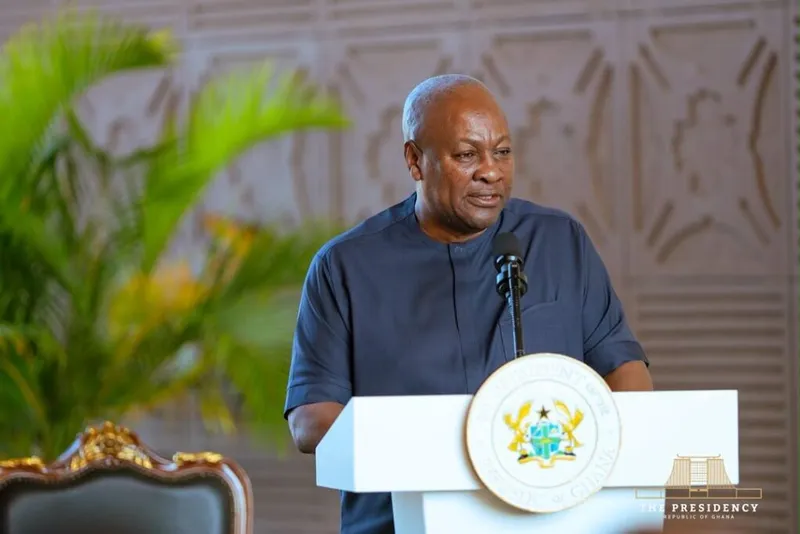
    President John Dramani Mahama has clarified that religious leaders can still preach on public transport, but must refrain from doing so while buses are in motion.

    The statement has drawn attention to the issue of religious preaching in commercial vehicles, a common practice in Ghana where some pastors and evangelists use public transport journeys to share their messages with passengers.

    President Mahama’s clarification suggests that the restriction is aimed at preaching while vehicles are moving, rather than imposing a blanket ban on religious activities on buses.

    The issue raises questions about passenger safety, the rights of commuters and the need to ensure that public transport remains comfortable for everyone.

    Preaching on buses can sometimes involve loudspeakers, singing, prayers and extended sermons, potentially disrupting passengers who prefer a quiet journey. Concerns about distractions and the conduct of activities inside moving vehicles have also featured in discussions surrounding the practice.

    The president’s remarks indicate that religious expression can continue within the stated limits, while the movement of vehicles remains a key consideration.

    However, further details on the specific directive, its enforcement and whether additional restrictions apply to evangelism on public transport were not provided in the available information.

    The clarification is likely to keep the conversation alive about how Ghana can balance religious freedom, public safety and the comfort of commuters.

  • “MAHAMA’S GOVERNMENT IS FAR BETTER THAN THE ‘OLD TESTAMENT’ GOVERNMENT” — PROPHET KUMCHACHA MAKES BOLD CLAIM

    “MAHAMA’S GOVERNMENT IS FAR BETTER THAN THE ‘OLD TESTAMENT’ GOVERNMENT” — PROPHET KUMCHACHA MAKES BOLD CLAIM

    Prophet Nicholas Osei has sparked political debate after declaring that the administration of John Dramani Mahama is far better than what he described as the “Old Testament” government.

    Speaking on the performance of Ghana’s political leadership, Prophet Kumchacha compared the two administrations and expressed strong support for Mahama’s government, arguing that it has delivered better outcomes for citizens.

    His comments have generated mixed reactions, with some agreeing with his assessment while others have challenged his comparison and questioned the basis of his claims.

    The outspoken preacher, known for his strong opinions on national issues, has often weighed into political discussions, drawing attention with his remarks on governance, leadership, and the state of the nation.

    As political debates continue, his latest statement has added another layer to conversations about the performance and legacy of past and present governments in Ghana.

  • “Serve the Constitution, Not Politicians!” — John Dramani Mahama Delivers Strong Charge to New Auditor-General

    “Serve the Constitution, Not Politicians!” — John Dramani Mahama Delivers Strong Charge to New Auditor-General

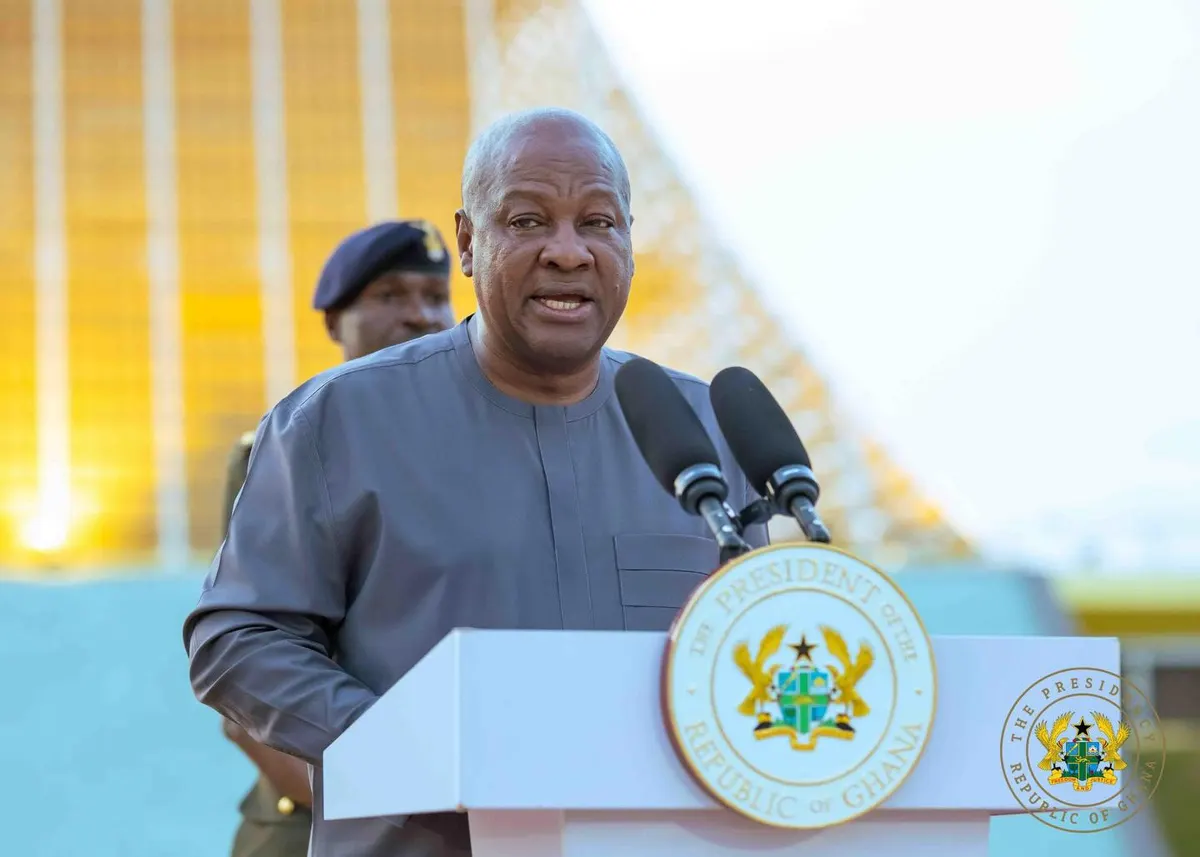
    President John Dramani Mahama has issued a powerful directive to Ghana’s newly appointed Auditor-General, urging the officeholder to remain loyal to the Constitution rather than political interests.

    Speaking during the official ceremony, the President emphasized the critical role of the Auditor-General in safeguarding public resources, promoting accountability, and strengthening confidence in state institutions.

    “Serve the Constitution, not politicians,” Mahama declared, stressing that the office must operate independently, impartially, and without fear or favour in carrying out its constitutional mandate.

    The President underscored the importance of integrity, professionalism, and transparency, noting that the Auditor-General’s office plays a vital role in ensuring the prudent management of public funds and exposing financial irregularities wherever they may occur.

    He further urged the new Auditor-General to uphold the highest ethical standards and resist any form of political pressure that could undermine the credibility of the institution.

    The remarks come at a time when public demand for greater accountability and responsible governance continues to grow, with citizens calling for stronger oversight of government spending and the effective use of national resources.

    Observers say the President’s message reinforces the expectation that independent constitutional bodies should remain free from partisan influence while faithfully executing their duties under the law.

    As the new Auditor-General assumes office, attention is expected to focus on how the institution responds to the President’s charge and delivers on its mandate to protect the public purse and promote good governance across the country.

  • MAHAMA HAILS CATHOLIC DIOCESE: Praises 120 Years of Transforming Communities and Nation-Building Impact

    MAHAMA HAILS CATHOLIC DIOCESE: Praises 120 Years of Transforming Communities and Nation-Building Impact

    Former President John Dramani Mahama has showered praise on the Catholic Diocese for its remarkable role in community transformation, describing its 120-year legacy as a powerful pillar of national development and social progress.

    Speaking at a commemorative event marking over a century of the Diocese’s presence and service, Mahama lauded the Church’s enduring contribution to education, healthcare, and social welfare, noting that its impact has been deeply woven into the fabric of communities across the country.

    He highlighted how Catholic institutions have consistently played a leading role in shaping generations through quality education, moral guidance, and infrastructure development, especially in underserved and rural areas where state presence has often been limited.

    The former president emphasized that the Diocese’s long-standing commitment to service has helped bridge development gaps and uplift countless lives, calling its legacy a “model of sustained community transformation.”

    The event drew attention to the Church’s extensive work over the decades, including the establishment of schools, hospitals, and social programs that continue to benefit thousands of people. Religious leaders and stakeholders at the gathering reflected on the Diocese’s journey and its enduring mission of service to humanity.

    Mahama further encouraged continued collaboration between faith-based institutions and government, stressing that such partnerships remain vital in addressing social challenges and promoting inclusive development.

    The celebration of the Diocese’s 120-year milestone was marked by reflections, speeches, and renewed commitments to strengthening community-focused initiatives that have long defined its presence.

    As the Diocese enters its next phase of service, leaders expressed optimism that its legacy of compassion, education, and development will continue to shape future generations.

  • MAHAMA SURGES IN POPULARITY! Job Approval Hits Record High as “7 in 10 Ghanaians” Back His Performance — Global InfoAnalytics Poll

    MAHAMA SURGES IN POPULARITY! Job Approval Hits Record High as “7 in 10 Ghanaians” Back His Performance — Global InfoAnalytics Poll

    A fresh opinion poll by Global InfoAnalytics has triggered political debate after revealing a dramatic rise in the job approval rating of John Dramani Mahama, with the survey indicating that 7 out of 10 Ghanaians now reportedly endorse his performance in office.

    The findings, described as one of the strongest approval ratings recorded in recent times, suggest growing public confidence in the administration’s leadership and policy direction.

    According to the poll results, President Mahama’s approval rating has reached a record high, reflecting what analysts say could be shifting public sentiment on governance, economic management, and national development priorities.

    The survey has already sparked intense political reactions, with supporters of the government pointing to the figures as evidence of improving trust in leadership and policy delivery. They argue that the numbers reflect tangible progress in key sectors and a positive response from citizens.

    However, critics are urging caution, calling for deeper scrutiny of the methodology and sampling approach used in the poll, insisting that political polling in Ghana often generates contrasting interpretations depending on the source and timing.

    Despite the debate, the results have placed President Mahama at the center of renewed political attention, with analysts suggesting the figures could influence public discourse ahead of future political and economic policy decisions.

    Political observers say the reported surge in approval may also reflect public reaction to recent government interventions, economic adjustments, and communication strategies aimed at restoring confidence.

    The development is expected to intensify political discussions in the coming days, particularly among rival parties and policy commentators who continue to assess the government’s performance trajectory.

    As the debate unfolds, the poll has positioned President Mahama’s leadership as a focal point of national conversation, with both supporters and opponents closely watching whether the trend will be sustained in future surveys.

  • “Africa Doesn’t Beg for Sympathy” — Mahama Demands Fair, Mutually Beneficial Global Partnerships

    “Africa Doesn’t Beg for Sympathy” — Mahama Demands Fair, Mutually Beneficial Global Partnerships

    Former Ghanaian President Pushes Strong Message on Africa’s Global Relations

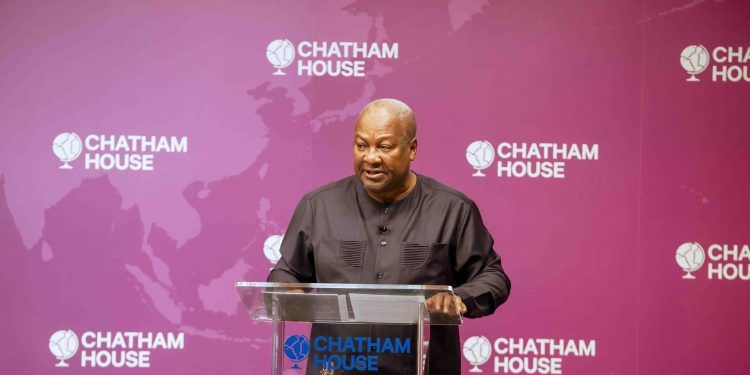
    Former President of Ghana, John Dramani Mahama, has delivered a bold and uncompromising message to the international community, declaring that Africa is no longer seeking sympathy, but instead demands fair, mutually beneficial partnerships built on respect and shared prosperity.

    Speaking on the future of Africa’s development and international cooperation, Mahama emphasized that the continent is moving away from dependency-driven relationships and toward strategic collaborations that reflect its growing economic and demographic strength.

    According to him, Africa’s narrative must shift from one of aid dependence to one of equal partnership, where investments, trade agreements, and development initiatives are structured to benefit all sides rather than reinforce imbalance.

    Mahama stressed that African nations are increasingly capable of shaping their own destinies through improved governance, resource management, and regional cooperation, and therefore deserve to be treated as equal stakeholders in global decision-making.

    He warned against outdated perceptions that continue to portray Africa solely through the lens of poverty and assistance, arguing that such framing undermines the continent’s progress in innovation, entrepreneurship, and infrastructure development.

    The former president called on global powers, financial institutions, and development partners to rethink their engagement models with Africa, urging a transition from aid-based relationships to investment-driven and trade-focused partnerships.

    His remarks have sparked discussion among policy analysts and development experts, many of whom say his message reflects a broader continental push for economic sovereignty and a stronger voice in global affairs.

    Mahama’s statement adds to ongoing debates about Africa’s place in the global order, particularly at a time when several countries on the continent are renegotiating trade deals and seeking more equitable investment frameworks.

    Observers say his comments are likely to resonate strongly across Africa, where leaders have increasingly called for reforms in global governance structures and international financial systems.

  • PROMISE WASHED AWAY? 17 MONTHS ON, MAHAMA’S VOW TO END ACCRA FLOODS FALLS FLAT

    PROMISE WASHED AWAY? 17 MONTHS ON, MAHAMA’S VOW TO END ACCRA FLOODS FALLS FLAT

    Residents still wading through waters as frustration grows over stalled flood solution pledge

    Seventeen months after a bold pledge to permanently address Accra’s recurring flooding crisis, doubts are mounting over whether the promise is being fulfilled, as parts of the capital continue to suffer severe inundation during heavy rains.

    The commitment, made by former President John Dramani Mahama, had raised expectations that the perennial flooding in Accra would become a thing of the past through improved drainage systems, infrastructure upgrades, and long-term urban planning reforms.

    However, with each major downpour, sections of the city are once again submerged—roads turned into rivers, homes flooded, and businesses disrupted—leaving residents questioning what has changed since the promise was made.

    “Where is the solution?” angry residents ask

    Communities repeatedly affected by flooding say they are yet to see meaningful transformation on the ground. In several flood-prone areas, residents describe a familiar pattern: rainfall, chaos, displacement, and then cleanup—only for the cycle to repeat.

    “We were told things would change, but every rainy season we are still suffering the same way,” some residents lament, expressing frustration over what they describe as slow or invisible progress.

    Experts point to deeper structural challenges

    Urban planning experts argue that Accra’s flooding crisis is rooted in long-standing issues, including blocked drainage systems, rapid urban expansion, poor waste management, and inadequate enforcement of building regulations.

    They caution that while political promises raise public expectations, solving the problem requires sustained investment, strict compliance measures, and coordinated urban development strategies that go beyond short-term interventions.

    Growing pressure on authorities

    As the rains intensify, pressure is mounting on city authorities and national leaders to demonstrate tangible results. Critics say the gap between political assurances and lived reality continues to widen, fueling public skepticism.

    Supporters, however, argue that large-scale infrastructure projects take time and that ongoing works may not yet be fully visible to the public.

    Promise under the microscope

    Seventeen months later, the promise to tame Accra’s floods remains under scrutiny. For many residents, the verdict is less about political statements and more about survival each rainy season.

    Until lasting solutions are felt on the ground, the waters of doubt—like the floodwaters themselves—continue to rise in Accra.

  • GHANAIANS BACK MAHAMA’S ECONOMIC AND INFRASTRUCTURE PUSH — NEW IEA POLL REVEALS SURGE IN PUBLIC APPROVAL

    GHANAIANS BACK MAHAMA’S ECONOMIC AND INFRASTRUCTURE PUSH — NEW IEA POLL REVEALS SURGE IN PUBLIC APPROVAL

    A fresh public opinion survey by the Institute of Economic Affairs has sparked political conversation nationwide, revealing strong approval among Ghanaians for President John Dramani Mahama’s handling of the economy and infrastructure development.

    The poll suggests a notable wave of public confidence in the president’s performance, particularly in key areas such as economic management, road expansion, and ongoing infrastructure projects seen across the country. The findings indicate that a significant portion of respondents believe government interventions are beginning to show visible impact in daily life.

    According to the survey results, many citizens expressed optimism about the direction of the economy under the current administration, pointing to improvements in development projects and renewed focus on public sector delivery. Infrastructure gains, in particular, were highlighted as a major factor driving positive sentiment.

    The findings are expected to fuel political debate, with supporters hailing the results as evidence of effective leadership, while critics are likely to scrutinize the methodology and broader economic realities.

    Analysts note that such polls often play a critical role in shaping public discourse, especially in periods of heightened political and economic expectations. The latest figures, however, clearly signal rising public approval for the government’s current trajectory.

    As Ghana navigates ongoing economic adjustments and infrastructure expansion efforts, the poll positions President Mahama at the center of renewed national attention — with public sentiment appearing increasingly favorable, at least according to the latest IEA data.