

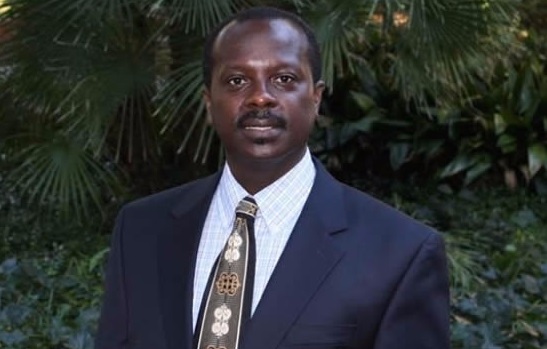
Renowned governance expert and legal scholar, Professor Kwaku Azar, is poised to ignite a national conversation with a highly anticipated lecture examining the growing disconnect between political parties and the ideologies that once defined them.
The respected academic is expected to deliver a thought-provoking presentation on the theme of how modern political parties are increasingly abandoning their core visions, principles, and ideological foundations in pursuit of power and political survival.
The lecture, which is already generating significant interest among political observers, academics, students, and civil society groups, will delve into what many describe as a worrying trend in contemporary politics: the erosion of party identity and the blurring of ideological distinctions among competing political organizations.
According to organizers, Professor Azar will explore the historical foundations upon which political parties were built and contrast them with present-day realities, where party positions often appear driven more by expediency than by firmly held beliefs.
Political analysts believe the lecture comes at a crucial time when voters across many democracies are increasingly questioning whether political parties still stand for the values they profess. The discussion is expected to address issues such as policy inconsistency, political opportunism, shifting alliances, and the growing perception that electoral success has become more important than ideological commitment.
Professor Azar, widely recognized for his outspoken views on governance, accountability, constitutionalism, and democratic development, is expected to challenge political leaders and citizens alike to reflect on the future of democratic politics and the role ideology should play in shaping public policy.
Observers say the lecture could spark fresh debate about political accountability and whether parties can regain public trust by reconnecting with the visions and principles that inspired their creation.
As anticipation builds, many are eager to hear Professor Azar’s assessment of the current political landscape and his recommendations for restoring ideological integrity within political institutions.
The event is expected to attract a diverse audience, including policymakers, scholars, political activists, students, and members of the general public interested in the future direction of democratic governance.