

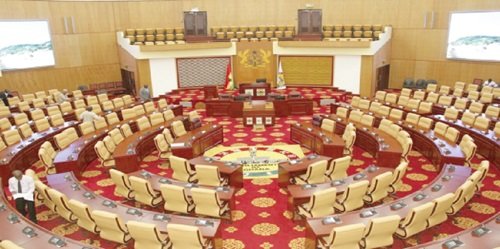
As Ghana’s Fourth Republic continues its democratic journey, the values of probity, accountability, social justice, and national service remain at the heart of the country’s quest to build a fair, transparent, and responsible society.
Since the return to constitutional rule, citizens have repeatedly called for stronger commitment to the principles that promote good governance and ensure that public office is treated as a duty rather than a privilege.
The idea of probity has remained a major national conversation, with many demanding honesty, integrity, and ethical leadership from those entrusted with state responsibilities. The call is for leaders and institutions to operate with transparency and put national interest above personal gain.
Closely linked to this is accountability, a principle seen as essential for maintaining public trust. Ghanaians continue to demand that public officials answer for their decisions, especially regarding the management of state resources and the implementation of national projects.
The pursuit of social justice also remains a key challenge, as debates continue around equal opportunities, access to quality education, healthcare, employment, and fair distribution of national resources.
Meanwhile, national service has become a symbol of civic responsibility, encouraging young people to contribute their skills and energy toward national development. The National Service framework has provided opportunities for graduates to serve in various sectors while gaining valuable work experience.
However, critics argue that the ideals of the Fourth Republic must move beyond speeches and become deeply rooted in everyday governance and citizenship. They insist that institutions must be strengthened and citizens must actively participate in protecting democratic gains.
As Ghana looks ahead, many believe that the success of the Fourth Republic will depend on how effectively the nation embraces these values — ensuring that leadership is accountable, society is just, and every citizen plays a meaningful role in development.