

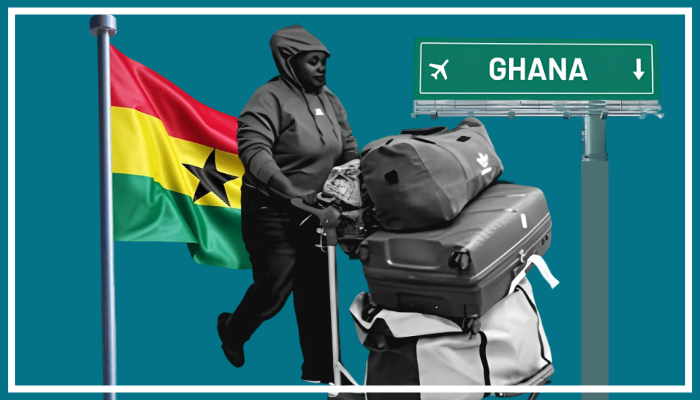
The government of Ghana has successfully repatriated more than 5,000 citizens stranded abroad since the outbreak of the COVID-19 pandemic, according to a new report by JoyNews Research.
The figures highlight one of the largest coordinated citizen-return operations in recent years, as authorities worked through global travel restrictions, border closures, and emergency humanitarian challenges triggered by the pandemic.
According to the report, thousands of Ghanaian nationals found themselves stranded in various countries due to sudden flight suspensions and lockdown measures that disrupted international mobility. In response, state institutions mounted emergency evacuation and repatriation efforts to bring affected citizens home safely.
The operations reportedly involved diplomatic missions, emergency travel arrangements, and coordinated logistics support across multiple regions, reflecting what officials describe as a sustained commitment to citizen welfare during global crises.
Many of those repatriated include students, workers, and vulnerable travelers who were unable to return home at the height of the pandemic’s disruption. The report notes that the interventions helped prevent prolonged hardship for affected individuals.
The findings by JoyNews Research underscore the scale of Ghana’s pandemic-era mobility crisis and the government’s ongoing efforts to manage its aftermath.
As recovery continues, the repatriation exercise stands out as a major humanitarian response milestone — one that authorities say reflects strengthened consular support systems and crisis-response capacity in the post-COVID period.