

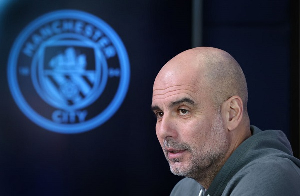
Manchester City manager Pep Guardiola has sparked fresh controversy off the pitch, with leaders of Manchester’s Jewish community publicly urging him to stay in his lane and “focus on football” — after the coach made comments about international conflicts that some local representatives found deeply concerning.
Guardiola, speaking at a press conference and at a charity event in Barcelona last week, described how images of suffering from wars in places such as Palestine, Sudan and Ukraine “hurt” him and drove him to speak out about them.
The Jewish Representative Council of Greater Manchester & Region responded with a sharply worded statement posted on social media. The organisation said that while humanitarian intentions might be well‑meaning, Guardiola should refrain from commenting on fraught international issues — especially when those remarks might, in their view, fuel antisemitic acts.
They insisted that, as a football manager with a high‑profile platform, Guardiola’s focus should be on his role at Manchester City, not global politics. “Pep Guardiola is a football manager. Whilst his humanitarian reflections may be well‑intentioned, he should focus on football,” the council said.
The council went further, accusing Guardiola of a “total failure” to show solidarity with Manchester’s Jewish community following a deadly terror attack on the Heaton Park Synagogue last October — a tragedy that leaders feel warranted clearer support from prominent local figures.
They called on the manager to “be more careful with his future language given the significant risk faced by our community,” highlighting broader fears around rising antisemitism and the potential impact of public commentary by influential figures.
Guardiola has defended his remarks as grounded in humanitarian concern, not political allegiance. He argued that seeing images of innocent people suffering across the world can’t leave someone “unaffected,” and that speaking up in whatever position one holds is a moral choice
While he has not directly responded to the Manchester statement in detail, his recent comments underline his belief that public figures should sometimes speak about human rights issues — even if that invites criticism.