Category: Lifestyle

  • GH¢2,000 Broke My Home! — Heartbroken Mother of Four Tells Shocking Story of Husband’s Sudden Disappearance

    GH¢2,000 Broke My Home! — Heartbroken Mother of Four Tells Shocking Story of Husband’s Sudden Disappearance

    In a story that has left many stunned and outraged, a devastated mother of four has revealed how a seemingly small sum of GH¢2,000 shattered her marriage and turned her life upside down.

    Speaking in anguish, the woman recounted how her husband—once a devoted partner and father—walked out on her and their children without warning, all because of a dispute over money. What began as a simple financial misunderstanding quickly spiraled into a life-altering crisis.

    “I never imagined that GH¢2,000 would cost me my marriage,” she lamented, her voice heavy with emotion.

    According to her, the trouble started when the money in question became a point of tension between them. Accusations, mistrust, and heated arguments followed, creating a toxic atmosphere in the home. Despite her efforts to resolve the issue and restore peace, her husband reportedly refused to listen.

    Then came the shocking moment that changed everything.

    Without prior notice, he packed up and left—abandoning not just his wife, but also their four innocent children who now struggle daily with his absence. Since then, he has reportedly cut off communication, leaving the family to fend for themselves both emotionally and financially.

    The woman now faces the harsh realities of single parenthood, grappling with the burden of providing for her children while dealing with the emotional scars of betrayal.

    “I am left alone to pick up the pieces,” she said. “My children keep asking where their father is, and I have no answers.”

    Her story has sparked widespread concern, raising questions about responsibility, communication in marriage, and how financial conflicts—no matter how small—can escalate into devastating consequences.

    As she seeks advice and support, one thing remains painfully clear: for this family, GH¢2,000 was not just money—it became the price of a broken home.

  • WORLD TUO ZAAFI FESTIVAL SPICES UP TAMALE: Hundreds Indulge in Ghana’s Beloved Traditional Dish

    WORLD TUO ZAAFI FESTIVAL SPICES UP TAMALE: Hundreds Indulge in Ghana’s Beloved Traditional Dish

    Tamale came alive this weekend as the much-anticipated World Tuo Zaafi Festival drew crowds from across the region, celebrating Ghana’s iconic comfort food in a spectacular culinary extravaganza.

    Hundreds of food enthusiasts, locals, and tourists gathered to savor the rich flavors of Tuo Zaafi (TZ), a staple dish made from maize or millet dough served with savory soups and sauces. The festival offered not just a feast for the taste buds but also a lively showcase of culture, music, and community spirit.

    Organizers said the event aims to promote Ghanaian cuisine on a global stage, highlighting the versatility of Tuo Zaafi and the creativity of chefs who presented both traditional and modern variations. Attendees were treated to demonstrations, cooking competitions, and even opportunities to learn the art of preparing the perfect TZ.

    Local dignitaries praised the festival for boosting tourism and preserving culinary heritage, while visitors left raving about the sumptuous dishes and vibrant atmosphere. One excited participant remarked, “I’ve never tasted TZ like this before—each bite tells a story of culture and tradition!”

    The World Tuo Zaafi Festival has quickly cemented itself as a must-visit cultural celebration, offering a delicious reminder that Ghana’s food is as rich in heritage as it is in flavor.

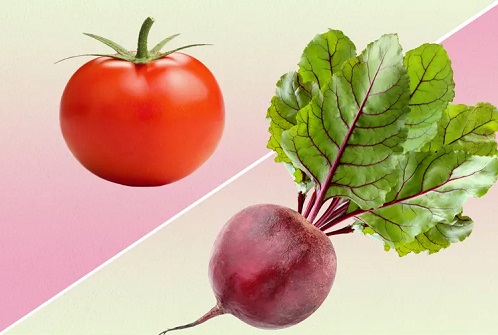
  • Tomatoes versus Beets: Which has more anti-inflammatory benefits?

    Tomatoes versus Beets: Which has more anti-inflammatory benefits?

    1. Tomatoes

    • Key Anti-inflammatory Compounds: Lycopene, vitamin C, beta-carotene, and flavonoids.
    • How They Work:
      • Lycopene helps reduce markers of inflammation, particularly in chronic diseases like cardiovascular disease.
      • Tomatoes may also help lower C-reactive protein (CRP) levels, an indicator of systemic inflammation.
    • Additional Benefits: Antioxidant-rich, supports heart health, may protect against certain cancers.

    2. Beets

    • Key Anti-inflammatory Compounds: Betalains (pigments that give beets their deep red color), fiber, and antioxidants.
    • How They Work:
      • Betalains have strong anti-inflammatory effects, reducing oxidative stress and inflammation markers.
      • Beet nitrates can improve blood flow and reduce vascular inflammation.
    • Additional Benefits: Supports liver detoxification, blood pressure regulation, and may improve exercise performance.

    Comparison

    Feature Tomatoes Beets
    Main anti-inflammatory agent Lycopene Betalains
    Best for chronic disease inflammation Cardiovascular, some cancers Vascular health, oxidative stress
    Antioxidant power High Very high (especially betalains)
    Daily consumption ease Raw, cooked, sauces Raw, juiced, roasted

    Verdict:

    • Beets tend to have a slightly stronger direct anti-inflammatory effect due to betalains, especially for vascular and oxidative stress-related inflammation.
    • Tomatoes are excellent too, particularly for heart health and systemic inflammation, but their effects are milder in comparison to concentrated beet compounds.

    💡 Tip: Combining both in your diet—e.g., beet salad with cherry tomatoes—gives you a broad spectrum of anti-inflammatory nutrients.


  • “The Last Bath at Assin Manso” — Revisiting Ghana’s Heart-Wrenching Slave History

    “The Last Bath at Assin Manso” — Revisiting Ghana’s Heart-Wrenching Slave History

    Assin Manso, a small town in the Central Region of Ghana, is home to one of the most poignant sites of the transatlantic slave trade: the “Slave River”, where enslaved Africans were given their last bath before being forced onto ships bound for the Americas. This ritual, both practical and symbolic, was a moment of cruel preparation — cleansing the captives before they were separated from their homeland forever.

    Today, Assin Manso has become a major historical and educational site, drawing visitors, descendants of the diaspora, and scholars seeking to honor and remember the lives affected by slavery. The site serves as a stark reminder of the human cost of the trade and the resilience of those who endured unimaginable suffering.

    Annual commemorations see ceremonies, storytelling, and guided tours that preserve the memory of the enslaved, encouraging reflection on Ghana’s history and its links to the broader African diaspora. The “last bath” is remembered not just as a ritual of sorrow but as a symbol of dignity, survival, and the enduring spirit of those who were taken.

    The story of Assin Manso continues to resonate globally, reminding us that history’s darkest moments must never be forgotten — and that remembering them is essential to honoring those who came before.


  • What Not to Say to a Friend Struggling to Conceive: Avoid These Hurtful Phrases

    What Not to Say to a Friend Struggling to Conceive: Avoid These Hurtful Phrases

    When a friend is facing difficulties with conception, well-meaning comments can sometimes do more harm than good. Experts and counselors emphasize the importance of empathy, sensitivity, and restraint when discussing fertility struggles.

    Common Phrases to Avoid

    1. “Just relax, it will happen.”
      While intended to reduce stress, this can make a friend feel blamed or misunderstood. Fertility challenges are rarely solved by simply “relaxing,” and such statements can feel dismissive of their emotional pain.
    2. “At least you have your health/other kids.”
      Comparisons can minimize their struggle. Even if they have other blessings, their current grief and frustration are real and valid.
    3. “You’ll get pregnant when the time is right.”
      Timing statements can inadvertently imply that the friend is not doing enough or that it’s their fault that conception hasn’t occurred.
    4. “Have you tried [specific remedy]?”
      Offering unsolicited advice about diets, treatments, or alternative therapies can feel intrusive or judgmental, especially if the friend has already explored these options.
    5. “It’s probably for the best that you don’t have kids yet.”
      Comments suggesting that their struggle is somehow protective or purposeful can be deeply hurtful.

    What to Say Instead

    • “I’m here for you.” Simple support can be the most comforting.
    • “I can’t imagine what you’re going through, but I care about you.” Acknowledging their struggle without judgment validates their feelings.
    • “Would you like to talk or would you prefer some company?” Offering options respects their emotional space.

    Fertility struggles are often accompanied by feelings of isolation, anxiety, and grief. Experts stress that friends and family should listen, offer support without judgment, and avoid platitudes or unsolicited advice. A thoughtful approach can help a struggling friend feel seen, understood, and less alone in their journey.


  • “Jah Will Be There!” — Ras Opoku Declares With Unshakable Faith 

    “Jah Will Be There!” — Ras Opoku Declares With Unshakable Faith 

    Reggae sensation Ras Opoku has sent fans into a wave of inspiration with his latest declaration: “Jah will be there.” Known for his soul-stirring lyrics and messages of hope, Ras Opoku’s statement reflects both his deep spiritual convictions and his commitment to spreading positivity through music.

    The proclamation comes amid the release of new music and upcoming performances, where Ras Opoku promises to uplift audiences while staying true to his roots in reggae and conscious music. Fans on social media have rallied behind him, sharing the mantra as a beacon of reassurance and faith in uncertain times.

    Observers note that Ras Opoku continues to solidify his place as a leading voice in Ghanaian reggae, blending heartfelt messages with rhythms that resonate both locally and globally.

    For Ras Opoku, it’s more than a statement — it’s a lifestyle and a reminder that through music, faith, and perseverance, “Jah will be there” in every moment.

  • Show some love

    Absolutely! ❤️✨ Sending you some positive vibes and virtual hugs! You’re appreciated, and a little love goes a long way—so here’s a big dose of it just for you. 🌟💛


  • Can an action be taken for a prank?

    Can an action be taken for a prank?

    Yes — a prank can lead to legal or disciplinary action, depending on its nature, the harm caused, and the jurisdiction. Here’s a breakdown:

    If the prank causes damage to property, financial loss, or emotional distress, the victim could sue for:

    • Property damage (e.g., breaking someone’s phone or car)
    • Personal injury (physical harm from the prank)
    • Emotional distress (if the prank is traumatic or humiliating)

    Certain pranks cross the line into criminal acts:

    • Assault or battery – pranks that involve physical contact or harm
    • Harassment or stalking – repeated intimidating or threatening pranks
    • Theft or vandalism – taking/damaging property as part of the prank
    • Public endangerment – pranks that put people at risk, e.g., fake bomb threats, fire alarms

    Even if intended as a joke, intent doesn’t always protect you from criminal charges if someone gets hurt or property is damaged.

    Pranks in schools or workplaces can lead to:

    • Suspension or expulsion (students)
    • Fines, warnings, or termination (employees)
    • Liability if the prank violates codes of conduct

    The determining factor is harm and legality, not humor. A prank may seem harmless, but if it injures, frightens, or damages property, action can and often will be taken.


  • “I Chose to Fight for My Babies” — A Sickle Cell Warrior’s Heartbreaking and Inspiring Journey

    “I Chose to Fight for My Babies” — A Sickle Cell Warrior’s Heartbreaking and Inspiring Journey

    In a story that captures both pain and resilience, a courageous mother has opened up about her battle with sickle cell disease while raising her children. Despite the challenges of a chronic illness that brings fatigue, frequent hospital visits, and constant pain, she says her love for her children has been her strongest motivation.

    “I chose to fight for my babies,” she explains, recalling the countless nights spent in hospital wards, the uncertainty of her health, and the fear of leaving her children behind. Her journey is not only a personal struggle but also a reflection of the wider fight many families face in managing sickle cell disease in communities with limited medical resources.

    Advocates say her story highlights the urgent need for better awareness, early testing, and access to treatment for sickle cell patients. Yet, amid the hardships, she has emerged as a beacon of hope, showing that determination, love, and courage can help overcome even the toughest battles.

    Her message is simple but powerful: chronic illness may challenge you, but it cannot diminish the drive to protect and nurture those you love.

  • Court Rules: Students Must Pay Teacher After Brutal Assault

    Court Rules: Students Must Pay Teacher After Brutal Assault

    In a shocking ruling, a local court has ordered a group of students to compensate their teacher following an assault that left the educator traumatized.

    According to court documents, the students physically attacked the teacher during a classroom incident, prompting legal action and widespread outrage. The presiding judge emphasized that such behavior is unacceptable and that educators must be protected from violence.

    The ruling mandates that the students provide financial compensation for medical expenses, emotional distress, and other damages resulting from the assault. Legal experts say the decision sets a critical precedent, sending a strong message about accountability and respect for authority within schools.

    The teacher, speaking after the verdict, described relief and vindication. “It was a terrifying experience, but justice has been served,” they said. Meanwhile, school authorities called for increased measures to prevent future incidents and safeguard both teachers and students.

    The case has sparked national discussion on discipline, student behavior, and the responsibilities of schools in maintaining a safe learning environment. Many see the ruling as a warning that violence against educators will not be tolerated.