Author: Daniel Sasu

  • GES Moves to Tackle SHS Crisis: Committee Set Up to Review Student Discipline Code Amid Rising Indiscipline Concerns

    GES Moves to Tackle SHS Crisis: Committee Set Up to Review Student Discipline Code Amid Rising Indiscipline Concerns

    The Ghana Education Service (GES) has taken a major step to address growing concerns over indiscipline in Senior High Schools by constituting a committee to review the existing student discipline code.

    The move comes amid increasing public concern over reported cases of misconduct among students, including acts that authorities and stakeholders say threaten the culture of discipline and academic excellence within schools.

    The newly formed committee has been tasked with examining the current guidelines, identifying gaps, and recommending reforms that will help schools better manage student behaviour while promoting responsibility, respect, and accountability.

    Education authorities say the review is aimed at ensuring that disciplinary measures remain effective, fair, and responsive to the changing realities facing students and school communities.

    The development has sparked discussions among teachers, parents, education experts, and stakeholders, with many calling for a balanced approach that combines firm discipline with counselling, mentorship, and support systems for students.

    The GES is expected to consider inputs from key players in the education sector as it works toward strengthening discipline frameworks across Senior High Schools nationwide.

    As concerns over student behaviour continue to grow, the review is being seen as a critical intervention to restore order and protect the integrity of Ghana’s education system.
  • ACCRA FLOODING TRIGGERS POWER SHUTDOWN — MALLAM AND ACHIMOTA SUBSTATIONS SWITCHED OFF OVER SAFETY FEARS

    ACCRA FLOODING TRIGGERS POWER SHUTDOWN — MALLAM AND ACHIMOTA SUBSTATIONS SWITCHED OFF OVER SAFETY FEARS

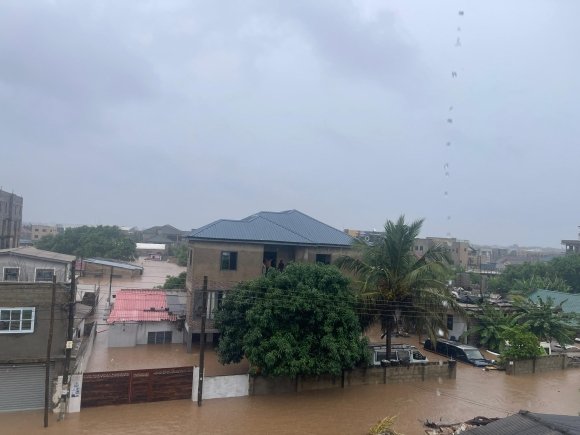
    Residents across parts of Accra have been hit by power disruptions after two major electricity substations — Mallam and Achimota (Dzorwulu) — were shut down as a precautionary measure following severe flooding in the capital.

    The shutdown was carried out to protect critical power infrastructure and prevent possible electrical hazards caused by rising floodwaters around the facilities.

    SAFETY FIRST AS FLOODWATERS THREATEN POWER SYSTEM

    Authorities explained that the temporary shutdown was necessary to safeguard equipment, protect workers, and reduce the risk of electrical accidents in areas affected by the flooding.

    The decision highlights the growing challenges posed by extreme weather conditions on urban infrastructure, especially in low-lying areas of Accra where heavy rains often lead to flooding.

    POWER SUPPLY INTERRUPTIONS RECORDED

    The affected substations serve several communities within the Greater Accra Region, meaning some customers experienced interruptions in electricity supply while safety assessments and emergency measures were being undertaken.

    Electricity officials are expected to restore supply once conditions improve and the facilities are deemed safe for operation.

    FLOODING CONTINUES TO TEST ACCRA’S INFRASTRUCTURE

    The incident has renewed concerns about the vulnerability of key public infrastructure to flooding, with calls for stronger drainage systems and improved urban planning to reduce the impact of heavy rainfall.

    Residents have also been urged to stay away from flooded areas near electrical installations and report any dangerous situations involving power lines or equipment.

    AUTHORITIES MONITOR SITUATION

    As emergency teams continue to assess the situation, the priority remains protecting lives and ensuring the safe restoration of electricity services.

    The shutdown serves as another reminder of the urgent need for climate-resilient infrastructure in Ghana’s capital, where flooding continues to pose a serious annual challenge.

  • ACCRA FLOOD CRISIS: TSE ADDO SWALLOWED BY RISING WATERS AS HEAVY RAINS WREAK HAVOC

    ACCRA FLOOD CRISIS: TSE ADDO SWALLOWED BY RISING WATERS AS HEAVY RAINS WREAK HAVOC

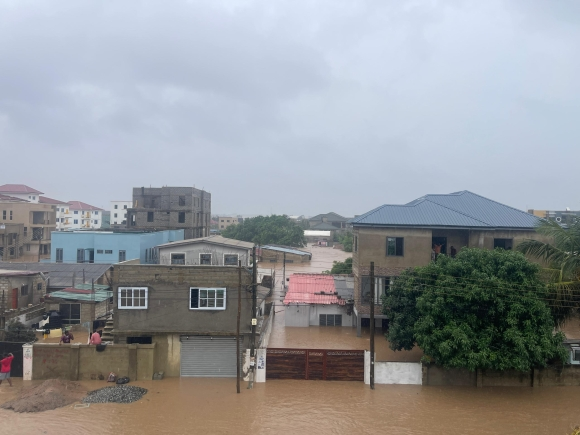
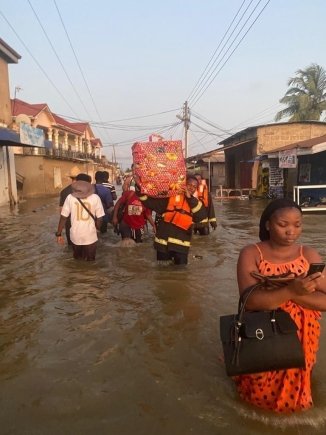
    Residents of Tse Addo in Accra have been left counting the cost of severe flooding after heavy rains turned parts of the community into a waterlogged disaster zone.

    Several areas of the community have been submerged, disrupting movement, affecting homes, and raising fresh concerns about drainage challenges and poor flood management in parts of the capital.

    The rising waters have created difficult conditions for residents, with some struggling to access their homes and carry out daily activities as flood levels continue to cause disruption.

    The situation has renewed calls for urgent action from authorities to address recurring flooding in Accra, including improved drainage systems, proper maintenance of waterways, and stronger enforcement against activities that worsen flooding.

    Residents say the flooding serves as another painful reminder of the vulnerability of many communities during the rainy season and are appealing for immediate interventions to prevent further damage.

    As the waters recede, attention is now turning to long-term solutions to protect Tse Addo and other flood-prone areas from repeated disasters.

  • FLOOD CRISIS RESPONSE: Emergency Teams Rushed to Accra, Tema and Kasoa as Heavy Rains Leave Communities Stranded

    FLOOD CRISIS RESPONSE: Emergency Teams Rushed to Accra, Tema and Kasoa as Heavy Rains Leave Communities Stranded

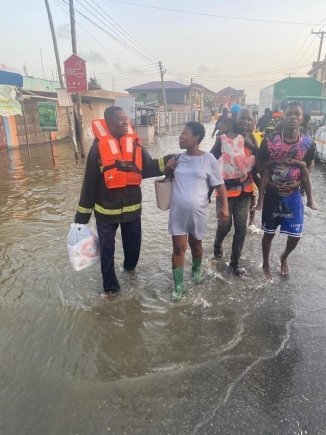
    Accra — Emergency response teams have been deployed to flood-affected communities across Accra, Tema, and Kasoa as authorities move swiftly to provide relief and support following widespread flooding.

    The deployment comes as several areas experience the impact of heavy rains, leaving residents facing challenges including rising water levels, damaged property, disrupted movement, and unsafe living conditions.

    Rescue and emergency personnel are working to assess affected areas, assist stranded residents, and provide immediate support to communities hit hardest by the flooding.

    The situation has renewed concerns about drainage systems, urban planning, and the recurring impact of flooding in parts of the Greater Accra Region and surrounding areas.

    Authorities have urged residents in flood-prone locations to remain alert, avoid moving through dangerous floodwaters, and cooperate with emergency teams carrying out rescue and relief operations.

    The response effort is expected to include emergency assessments, evacuation support where necessary, and measures aimed at reducing further risks as weather conditions continue to be monitored.

    With Accra, Tema, and Kasoa among the most affected areas, attention is now focused on protecting lives, supporting displaced residents, and restoring normalcy in impacted communities.

  • “Ghana’s Democratic Test: The Unfinished Battle for Probity, Accountability, Social Justice and National Service in the Fourth Republic”

    “Ghana’s Democratic Test: The Unfinished Battle for Probity, Accountability, Social Justice and National Service in the Fourth Republic”

    As Ghana’s Fourth Republic continues its democratic journey, the values of probity, accountability, social justice, and national service remain at the heart of the country’s quest to build a fair, transparent, and responsible society.

    Since the return to constitutional rule, citizens have repeatedly called for stronger commitment to the principles that promote good governance and ensure that public office is treated as a duty rather than a privilege.

    The idea of probity has remained a major national conversation, with many demanding honesty, integrity, and ethical leadership from those entrusted with state responsibilities. The call is for leaders and institutions to operate with transparency and put national interest above personal gain.

    Closely linked to this is accountability, a principle seen as essential for maintaining public trust. Ghanaians continue to demand that public officials answer for their decisions, especially regarding the management of state resources and the implementation of national projects.

    The pursuit of social justice also remains a key challenge, as debates continue around equal opportunities, access to quality education, healthcare, employment, and fair distribution of national resources.

    Meanwhile, national service has become a symbol of civic responsibility, encouraging young people to contribute their skills and energy toward national development. The National Service framework has provided opportunities for graduates to serve in various sectors while gaining valuable work experience.

    However, critics argue that the ideals of the Fourth Republic must move beyond speeches and become deeply rooted in everyday governance and citizenship. They insist that institutions must be strengthened and citizens must actively participate in protecting democratic gains.

    As Ghana looks ahead, many believe that the success of the Fourth Republic will depend on how effectively the nation embraces these values — ensuring that leadership is accountable, society is just, and every citizen plays a meaningful role in development.

  • Disapproval Without Abandonment: How Ghanaians Sent a Message to the NPP in 2024 Without Walking Away Completely

    Disapproval Without Abandonment: How Ghanaians Sent a Message to the NPP in 2024 Without Walking Away Completely

    The 2024 general election delivered a powerful political message in Ghana: voters could express deep dissatisfaction with a government’s performance while still leaving room for continued engagement with the political system.

    The outcome reflected a complex relationship between Ghanaians and the New Patriotic Party (NPP)—one marked by disappointment, frustration, and demands for change, rather than a complete rejection of the party’s identity and influence.

    For many citizens, the election became an opportunity to register concerns over economic hardship, rising living costs, governance issues, and unmet expectations. The verdict at the ballot box was widely interpreted as a call for accountability and a demand for a different direction.

    However, the result did not necessarily signal the disappearance of the NPP from Ghana’s political landscape. With its long-standing grassroots structures, ideological base, and significant support network, the party remains a major force in national politics.

    Political observers argue that the 2024 outcome represents a warning rather than an outright political death sentence. The message from voters appears to be that loyalty must be matched by performance, responsiveness, and policies that directly improve everyday lives.

    The challenge now before the NPP is how to rebuild public confidence, address concerns raised by citizens, and reconnect with voters who felt unheard or dissatisfied.

    As Ghana’s democracy continues to evolve, the 2024 election serves as a reminder that voter decisions are often nuanced—citizens can reject a party’s performance at one moment while still recognizing its place in the broader political conversation.

    For the NPP, the road ahead will depend on whether it can transform electoral disappointment into renewal and regain the trust of Ghanaians.

  • AFOKO UNVEILS “THREE Rs” ROADMAP AS HE PLEDGES TO REBUILD AND REPOSITION THE NPP

    AFOKO UNVEILS “THREE Rs” ROADMAP AS HE PLEDGES TO REBUILD AND REPOSITION THE NPP

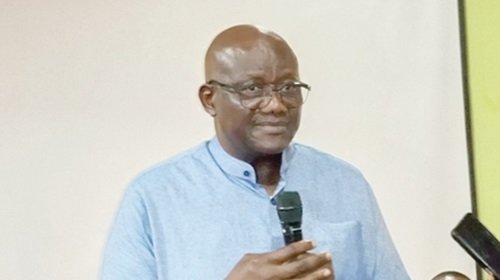
    Former National Chairman of the New Patriotic Party (NPP), Paul Afoko, has unveiled his “Three Rs” roadmap, outlining a vision aimed at restoring unity, rebuilding confidence, and repositioning the party for the future.

    The initiative, according to Afoko, is designed to address internal challenges within the NPP and create a stronger, more inclusive political movement capable of reconnecting with its grassroots supporters.

    THE THREE Rs: A PLAN FOR RENEWAL

    Afoko’s roadmap centres on three key principles — Reconciliation, Reorganisation, and Rebuilding — which he believes are necessary for the party to recover from recent setbacks and regain public trust.

    He argues that the NPP must first heal internal divisions before it can effectively compete for power again.

    RECONCILIATION: BRINGING MEMBERS BACK TOGETHER

    A major part of Afoko’s message focuses on reconciliation, with calls for the party to resolve internal disagreements and restore a sense of belonging among members who feel sidelined.

    He believes unity is the foundation upon which any successful political comeback must be built.

    REORGANISATION: STRENGTHENING THE PARTY STRUCTURE

    The second pillar of the roadmap focuses on restructuring party operations and improving engagement with supporters at all levels.

    Afoko has stressed the need for a stronger grassroots connection and a party system that listens more closely to the concerns of its members.

    REBUILDING: RESTORING TRUST AND PURPOSE

    The final pillar, rebuilding, is aimed at restoring the NPP’s image, values, and commitment to its founding principles.

    Afoko believes the party must renew its relationship with Ghanaians by demonstrating accountability, inclusiveness, and a clear vision for national development.

    A NEW DIRECTION FOR THE NPP?

    The roadmap comes at a time when the NPP is reflecting on its future direction following its defeat in the 2024 general election.

    Afoko’s proposal has added to ongoing debates about leadership, reform, and how the party can reposition itself ahead of future elections.

    His message is clear: before the NPP can win again, it must first rebuild itself from within.

  • PARLIAMENTARY NETWORK FIRES WARNING: EXECUTIVE MUST EXPLAIN USE OF CERTIFICATE OF URGENCY FOR BILLS

    PARLIAMENTARY NETWORK FIRES WARNING: EXECUTIVE MUST EXPLAIN USE OF CERTIFICATE OF URGENCY FOR BILLS

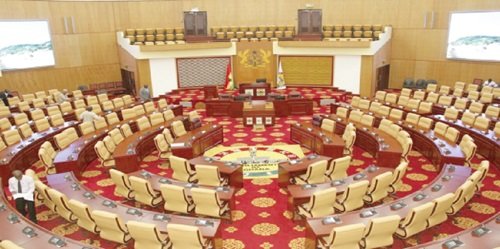
    The Executive has come under pressure to provide stronger justification for the frequent use of the certificate of urgency procedure in passing legislation, with the Parliamentary Network demanding greater transparency and accountability in the law-making process.

    The group argues that while urgent bills may sometimes be necessary, the special procedure must not become a shortcut that limits proper parliamentary scrutiny, public engagement, and careful consideration of proposed laws.

    According to the Parliamentary Network, every request to fast-track legislation must be backed by clear reasons demonstrating why the matter cannot follow the normal legislative process.

    The call has reignited debate over the balance between government efficiency and the need to protect democratic checks and balances within Parliament.

    Civic groups and governance experts have often raised concerns that rushed legislative processes could reduce opportunities for lawmakers, stakeholders, and citizens to fully examine the implications of major policies.

    The Parliamentary Network is therefore urging the Executive to respect parliamentary procedures and provide convincing explanations whenever the certificate of urgency is invoked.

    The group insists that speed should not come at the expense of transparency, accountability, and quality legislation as Ghana continues to strengthen its democratic institutions.

  • “Shock Tennis Return: Serena Williams Set for Singles Comeback at Wimbledon in Stunning Career Twist”

    “Shock Tennis Return: Serena Williams Set for Singles Comeback at Wimbledon in Stunning Career Twist”

    Tennis legend Serena Williams is reportedly preparing for a sensational return to singles competition at Wimbledon, in what would mark one of the most dramatic comebacks in modern sport.

    The seven-time Wimbledon champion, widely regarded as one of the greatest players in tennis history, is said to be targeting a return to the grass courts where she has produced some of her most iconic performances.

    If confirmed, the comeback would instantly electrify the tennis world, reigniting memories of her dominant reign at the All England Club and setting up a blockbuster storyline for this year’s tournament.

    Williams, who stepped away from professional tennis after her retirement announcement in 2022, has remained one of the sport’s most influential figures even in absence, with fans frequently speculating about a possible return.

    Her expected comeback would also dramatically reshape the women’s draw, with opponents and analysts already anticipating intense scrutiny over her form, fitness, and ability to compete at the highest level after time away from the tour.

    Wimbledon organizers are yet to officially confirm her participation, but the mere suggestion of her return has already sent waves through the tennis community, with fans calling it a “dream scenario” for the sport.

    If she does walk back onto Centre Court, it would mark one of the most sensational returns in tennis history.

  • GOLF, CULTURE & SPORTS BOOST! Telecel Pushes Bold Agenda as Otumfuo Opens 69th Open Championship in Kumasi

    GOLF, CULTURE & SPORTS BOOST! Telecel Pushes Bold Agenda as Otumfuo Opens 69th Open Championship in Kumasi

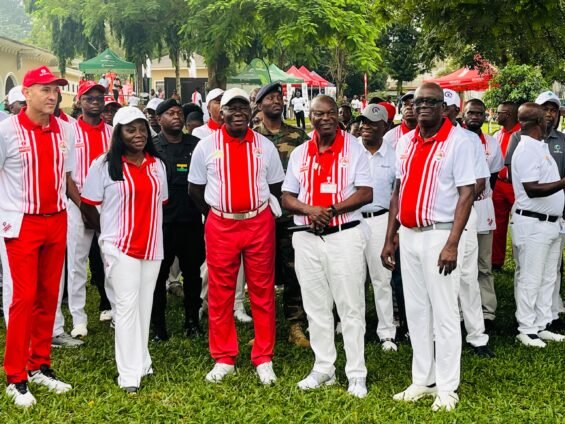
    Kumasi — A major celebration of sport and culture has taken center stage as telecommunications giant Telecel strengthens its commitment to promoting sports development and cultural heritage at the 69th Open Golf Championship, officially teed off by the Asantehene in Kumasi.

    The event, which marks another prestigious chapter in Ghana’s golfing calendar, was launched by Otumfuo Osei Tutu II, drawing attention to the growing intersection between traditional leadership, sports excellence, and corporate investment in national development.

    Organisers say the championship continues to serve as a key platform for nurturing talent, promoting healthy competition, and positioning Kumasi as a growing hub for elite sporting events.

    Telecommunications leader Telecel Ghana used the occasion to reinforce its expanding role in supporting sports and cultural initiatives across the country, highlighting its commitment to community engagement beyond digital connectivity.

    The company’s involvement is part of a broader strategy to invest in events that promote youth participation in sports, celebrate heritage, and strengthen national unity through cultural expression and athletic excellence.

    The 69th edition of the championship has attracted attention from golfers, sports enthusiasts, and cultural stakeholders, all converging in Kumasi for what is expected to be a highly competitive and symbolic tournament.

    As the tee-off ceremony set the tone for the competition, the event has been described as more than just a sporting contest — but a powerful blend of tradition, prestige, and corporate partnership driving Ghana’s sports development agenda.

    With excitement building, attention now shifts to the fairways, where competition is expected to intensify as players battle for glory in one of Ghana’s most iconic golf championships.