Author: Daniel Sasu

  • ‘How Very Daft!’ Barker-Vormawor Slams Adom-Otchere in Fiery Clash Over Nkrumah Claims

    ‘How Very Daft!’ Barker-Vormawor Slams Adom-Otchere in Fiery Clash Over Nkrumah Claims

    Drama erupts in Ghanaian media as Barker-Vormawor lashes out at Adom-Otchere, branding his recent claims about Kwame Nkrumah as utterly “daft.” The heated verbal showdown has set social media ablaze, with political watchers calling it one of the most explosive intellectual spats in recent memory.

    In a no-holds-barred statement, Barker-Vormawor tore into Adom-Otchere’s assertions, dismissing them as factually baseless and politically motivated. “How very daft!” he thundered, leaving many questioning the credibility of Adom-Otchere’s reporting and interpretations of Nkrumah’s legacy.

    The clash has sparked a nationwide debate, with pundits and citizens weighing in on the ideological feud, pitting historical reverence against contemporary political narratives. Social media platforms have erupted into a flurry of memes, commentary, and impassioned arguments, highlighting just how volatile discussions around Nkrumah remain even decades later.

    As the verbal war rages on, Ghana finds itself at the center of yet another high-stakes historical showdown, reminding everyone that when it comes to politics and history, sparks are never far from the flame.


  • HEARTBREAK AT THE PENALTIES: Kotoko FALLS to Aduana FC in Nail-Biting Shootout!

    HEARTBREAK AT THE PENALTIES: Kotoko FALLS to Aduana FC in Nail-Biting Shootout!

    Fans were left on the edge of their seats as Kotoko suffered a dramatic defeat to Aduana FC in a penalty shootout, with every kick fueling tension and excitement. The thrilling clash had supporters screaming, cheering, and gasping as the game went down to the wire.

    Social media erupted as fans debated missed chances, heroic saves, and controversial referee decisions, calling it one of the most dramatic shootouts in recent history.

    Kotoko’s loss means Aduana FC walks away victorious, while supporters of the Porcupine Warriors are left wondering what went wrong in the high-stakes showdown.

    Watch the full highlights to catch all the penalty drama, shocking misses, and unforgettable moments that defined this epic encounter.

  • COVENANT UNIVERSITY FIRST-CLASS GRAD GOES FROM LAB COATS TO MARKET STALLS — SELLS PHONE ACCESSORIES!

    COVENANT UNIVERSITY FIRST-CLASS GRAD GOES FROM LAB COATS TO MARKET STALLS — SELLS PHONE ACCESSORIES!

    In a story that has left many shaking their heads in disbelief, a first-class Biochemistry graduate from Nigeria’s prestigious Covenant University is making headlines — not for a lab breakthrough, but for running a phone accessory store at a local market.

    The young graduate, whose academic excellence promised a conventional career in pharmaceuticals, research, or biotechnology, told reporters that circumstances and opportunities steered her toward entrepreneurship. Despite graduating at the top of her class, she now manages a thriving stall selling chargers, earphones, cases, and other mobile accessories — proving that success doesn’t always follow a straight path.

    Social media reactions have been mixed. Some users praise her ingenuity and courage to create her own income stream, arguing that the story highlights the challenges young graduates face in Nigeria’s competitive job market. Others, however, question why a highly educated individual is working in retail instead of in her trained field.

    The graduate insists she’s not discouraged: “I may have a first-class degree, but life is about making smart choices for survival and growth. My store pays the bills while I plan bigger things ahead.”

    Her story has sparked nationwide conversation about graduate unemployment, the value of education, and unconventional paths to financial independence — reminding everyone that sometimes, a first-class degree is just the beginning of a very creative journey.

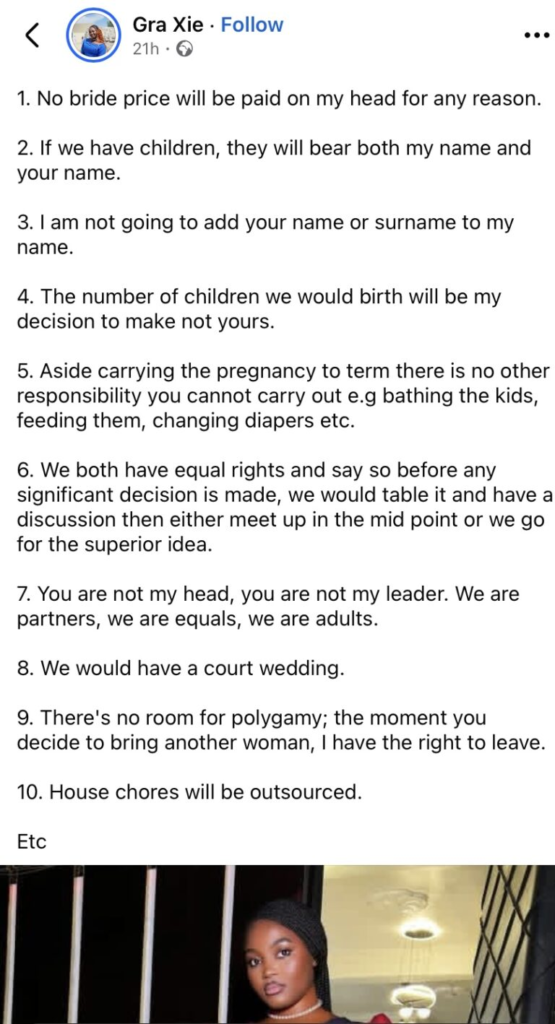
  • RELATIONSHIP BOMBSHELL: Young Woman Sets Jaw-Dropping Conditions for Marriage!

    RELATIONSHIP BOMBSHELL: Young Woman Sets Jaw-Dropping Conditions for Marriage!

    In a statement that’s gone viral online, a young lady has boldly declared her terms for tying the knot, telling her suitor: “You are not head, you are my partner.” Her radical take on modern marriage is igniting fiery debates across social media.

    From insisting on equality to rejecting traditional hierarchies, her list of conditions challenges centuries-old norms, leaving fans divided: some cheer her for empowering women, while others argue she’s pushing boundaries too far.

    The post has sparked a flood of reactions, memes, and discussions on gender roles, partnership, and the future of marriage in today’s society.

    One thing is clear: her viral declaration is forcing everyone to rethink what it really means to be partners in love—and marriage might never look the same again.

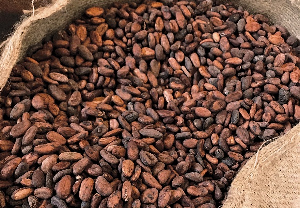
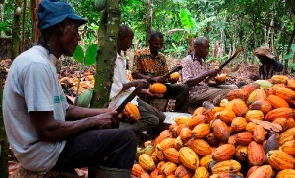
  • COCOA FARMERS OUTRAGED: COCOBOD BLAMES “LEGACY CONTRACTS” AND BUYER RETREAT FOR MASSIVE ARREARS!

    COCOA FARMERS OUTRAGED: COCOBOD BLAMES “LEGACY CONTRACTS” AND BUYER RETREAT FOR MASSIVE ARREARS!

    Ghana’s cocoa farmers are facing growing frustration as payment arrears pile up, with the Cocoa Board (COCOBOD) pointing fingers at old contracts and a retreat by buyers as the root causes. The revelation has sent shockwaves through the industry, leaving farmers and stakeholders demanding urgent solutions.

    “Legacy contracts are strangling payments,” a COCOBOD official admitted, citing outdated agreements that limit flexibility and delay disbursements to hardworking farmers.

    Meanwhile, a decline in buyer activity has compounded the crisis, reducing cash flow and threatening the livelihoods of thousands of cocoa producers nationwide.

    Social media is ablaze with farmers and advocates calling for government intervention, warning that prolonged delays could trigger unrest in rural communities heavily dependent on cocoa revenue.

    Analysts warn that unless swift action is taken, Ghana risks losing its grip on the global cocoa market, with international buyers turning to more reliable suppliers.

  • Here’s why Ghana is planning to cut its mining levy – Strategic Sweetener to Bolster Mining Sector Support

    Here’s why Ghana is planning to cut its mining levy – Strategic Sweetener to Bolster Mining Sector Support

    Ghana’s government, led by Finance Minister Dr. Cassiel Ato Forson, has proposed reducing the Growth and Sustainability Levy on mining companies by two percentage points — a move aimed at easing industry concerns as the country overhauls its mining taxation regime.

    The proposed cut is part of wider negotiations with mining firms who say the current fiscal structure — including a newly proposed sliding royalty system tied to global gold prices (5 % to 12 %) — could deter investment and hurt competitiveness if left unchanged.

    The levy was previously increased to 3 % last year in efforts to secure greater revenue for the State. However, mining companies have pushed back hard, with industry leaders urging either the levy’s removal or a more balanced royalty range to ensure sustainable investment and continued expansion of mining operations.

    By offering to cut the levy, the government is essentially trying to balance two goals at once:

    Keep mining investment attractive — especially as gold prices remain high globally.
    Secure backing for a more progressive royalty framework that would allow Ghana to earn more when commodity prices rise.

    This fiscal adjustment is part of broader reforms aimed at maintaining Ghana’s position as one of the world’s leading gold producers while attracting new capital and preserving the sector’s long‑term viability.

  • COCOA CRISIS: Shocking Reasons Behind Ghana’s Plummeting Cocoa Purchases Revealed!

    COCOA CRISIS: Shocking Reasons Behind Ghana’s Plummeting Cocoa Purchases Revealed!

    Ghana’s cocoa industry, once a global powerhouse, is facing a staggering decline in purchases, and insiders are pointing to several alarming factors driving the downturn.

    Weather Woes & Climate Change: Unpredictable rainfall and prolonged droughts have hurt crop yields, leaving farmers struggling to meet demand.

    Rising Costs & Export Challenges: Increasing production costs, coupled with complex export processes, are making Ghanaian cocoa less competitive on the global market.

    Policy & Pricing Issues: Disputes over government pricing policies and delays in payments to farmers have shaken confidence among buyers and traders.

    Global Market Shifts: Alternative cocoa suppliers and fluctuating international demand have diverted attention away from Ghana’s cocoa exports.

    Industry insiders warn that without urgent intervention, Ghana risks losing its status as a world cocoa leader, threatening livelihoods for thousands of farmers nationwide.

  • GH¢5.83 BILLION T‑BILLS SOLD AT FEBRUARY 6 AUCTION — GOV’T SMASHES TARGET AS INVESTORS FLOOD MARKET!

    GH¢5.83 BILLION T‑BILLS SOLD AT FEBRUARY 6 AUCTION — GOV’T SMASHES TARGET AS INVESTORS FLOOD MARKET!

    In a stunning show of confidence, the government’s treasury bill auction held on February 6, 2026 saw an astonishing GH¢5.83 billion in sales — far exceeding expectations and demonstrating soaring investor appetite for short‑term government securities!

    The extraordinary result means the Treasury blew past its original target by 246 %, with total bids tendered hitting about GH¢17.2 billion — sending a clear message that investors are lining up to put money into Ghana’s debt instruments.

    Demand was broad across all maturities, but particularly intense for longer‑dated papers. Even more eye‑catching: interest rates fell sharply across the board, with the yield on the 91‑day bill dropping to just under 10 % — a major shift that aligns with recent monetary policy rate cuts.

    Market watchers say the outcome underscores renewed investor confidence in Ghana’s financial markets, as well as strong liquidity and optimism about the economy. The dramatic oversubscription is also being seen as a validation of the government’s financing strategy amid broader fiscal reforms.

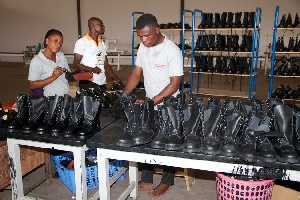
  • KUMASI SHOE FACTORY IN CRISIS: Board Chair BLAMES GOVERNMENT FOR IMPORT DEPENDENCY!

    KUMASI SHOE FACTORY IN CRISIS: Board Chair BLAMES GOVERNMENT FOR IMPORT DEPENDENCY!

    The iconic Kumasi Shoe Factory is struggling to stay afloat as state agencies continue to rely heavily on imported footwear, the Board Chair has revealed. The shocking disclosure has set social media and business circles abuzz, raising questions about the future of local manufacturing.

    “We are bleeding because government agencies are choosing imports over supporting local industry,” the Chair lamented, highlighting a growing crisis in one of Ghana’s most historic shoe manufacturers.

    Economists warn that continued reliance on foreign products could cripple domestic industries, leading to job losses and a decline in Ghana’s self-sufficiency.

    As the debate heats up, many are calling for urgent government intervention to save a national icon from collapse and revive pride in locally made products.

  • why JPMorgan has recently upgraded its view on the African Export‑Import Bank (Afreximbank)

    why JPMorgan has recently upgraded its view on the African Export‑Import Bank (Afreximbank)

    1. From Underweight to Overweight — A Buy Signal

    • JPMorgan Chase moved its recommendation on Afreximbank bonds from underweight to overweight, which in investment terms is effectively a “buy” call — signaling rising confidence in the value of Afreximbank debt. This marks a significant shift in sentiment.

    2. Attractive Valuations After Selloff

    • The upgrade comes after a sharp selloff in Afreximbank bonds, largely triggered by a downgrade from Fitch Ratings that pushed the bonds toward junk status. JPMorgan analysts now see that price decline as having gone too far — meaning the bonds are now undervalued compared with similar emerging‑market debt.

    3. Remaining Investment‑Grade Under Moody’s & Index Support

    • Even though Fitch withdrew its rating after downgrading Afreximbank, Moody’s still maintains an investment‑grade view. Because of this, Afreximbank bonds continue to be eligible for major investment‑grade bond indices — a factor JPMorgan believes will help sustain institutional demand.

    4. Confidence in Fundamentals and Shareholder Backing

    • JPMorgan analysts also pointed to strong underlying fundamentals — including solid capital buffers, diversified funding, and continued support from African sovereign shareholders — as reasons the selloff represented value rather than deterioration. They expect Afreximbank’s role in trade and development finance to support its stability over time.