Author: Daniel Sasu

  • ACCESS TO JUSTICE UNLEASHED! — Parliament Greenlights Landmark Legal Education Reform Bill

    ACCESS TO JUSTICE UNLEASHED! — Parliament Greenlights Landmark Legal Education Reform Bill

    In a historic move set to transform Ghana’s legal landscape, Parliament has passed the Legal Education Reform Bill, a bold initiative designed to dramatically expand access to legal education and reshape the future of the profession.

    Lawmakers described the bill as a game-changer, aimed at breaking down barriers that have long restricted entry into the legal profession. By reforming the structure, curriculum, and delivery of legal education, the bill promises to make legal training more accessible, flexible, and affordable for aspiring lawyers across the country.

    The legislation introduces new pathways for students, including alternative entry points, modernized teaching methods, and strengthened oversight to ensure high standards are maintained. Supporters argue that these reforms will not only produce more qualified legal professionals but also enhance the capacity of the justice system, particularly in underserved regions.

    “This is about more than just classrooms and textbooks,” a senior legislator declared. “It is about giving every capable Ghanaian the chance to contribute to our legal system and ensuring justice is within reach for all.”

    Legal associations and student bodies have welcomed the move, hailing it as a milestone for inclusivity and professional development. However, some caution that implementation will be critical, emphasizing the need for careful monitoring to maintain the quality and integrity of legal training.

    As Ghana celebrates this legislative breakthrough, attention now turns to the rollout of the reforms. If executed effectively, the Legal Education Reform Bill could redefine the country’s legal profession for decades, empowering a new generation of lawyers while strengthening access to justice nationwide.
  • Human Rights in Turbulent Times: The High-Stakes Politics of a Fast-Changing World

    Human Rights in Turbulent Times: The High-Stakes Politics of a Fast-Changing World

    In an era defined by rapid technological shifts, rising geopolitical tensions, and deepening inequalities, the politics of human rights has become more complex—and more contested—than ever before. What was once framed as a universal moral consensus is now a battleground of competing interests, ideologies, and power structures.

    At the heart of modern human rights politics lies a fundamental tension: are rights truly universal, or are they shaped—and sometimes limited—by culture, sovereignty, and political expediency? Institutions like the United Nations continue to champion global standards, yet enforcement often collides with national interests and realpolitik.

    Emerging powers are increasingly challenging Western-dominated narratives of human rights, arguing that development, stability, and cultural context must take precedence over what they see as externally imposed ideals. Meanwhile, liberal democracies face their own contradictions—grappling with issues like surveillance, migration, and inequality, even as they position themselves as defenders of rights.

    Technology has added an entirely new dimension. Social media platforms such as Meta Platforms and X Corp. have become both tools for activism and instruments of control. While they amplify marginalized voices, they also enable misinformation, digital surveillance, and algorithmic bias—raising urgent questions about privacy, free expression, and accountability in the digital age.

    Conflicts and crises further complicate the picture. From war zones to climate disasters, human rights are often the first casualty. The global response is frequently uneven, shaped less by principle and more by strategic interests. This selective enforcement fuels skepticism and erodes trust in international systems.

    At the same time, grassroots movements are reshaping the landscape. Activists, youth groups, and civil society organizations are leveraging global connectivity to demand accountability and push for change. Their influence signals a shift away from top-down governance toward more decentralized, people-driven advocacy.

    Ultimately, the politics of human rights today is not just about ideals—it is about power: who defines rights, who enforces them, and who benefits. In a fast-changing world, the challenge is no longer simply to defend human rights, but to redefine and secure them in ways that are credible, inclusive, and resilient against the pressures of a shifting global order.

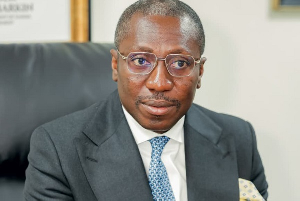
  • Data or Disaster! — Alexander Afenyo-Markin Ahiafor Declares Credible Data the Backbone of National Progress

    Data or Disaster! — Alexander Afenyo-Markin Ahiafor Declares Credible Data the Backbone of National Progress

    In a powerful call that’s turning heads across governance circles, Alexander Afenyo-Markin Ahiafor has sounded the alarm: without credible data, public policy risks collapse—and national development could pay the price.

    Speaking with urgency and conviction, Ahiafor stressed that reliable, accurate data is no longer a luxury but a necessity in shaping effective policies and driving good governance. According to him, decisions made without solid data foundations are nothing more than guesswork—costly, risky, and often disastrous.

    “Policy must be driven by facts, not assumptions,” he emphasized, underscoring the growing need for institutions to invest in strong data collection and analysis systems. From healthcare and education to infrastructure and economic planning, Ahiafor noted that every sector depends on trustworthy information to deliver real results.

    His remarks come at a time when questions around data integrity, transparency, and accountability are gaining prominence in national discourse. Analysts say the push for data-driven governance could redefine how leaders prioritize resources and measure success.

    Supporters have applauded the statement as timely and necessary, arguing that credible data is the key to eliminating waste, improving service delivery, and restoring public trust. Critics, however, are challenging policymakers to match words with action—calling for tangible reforms in how data is gathered and used.

  • Oil Money, Missing Impact! — Ghana Anti-Corruption Coalition Sounds Alarm, Demands Citizen Inclusion

    Oil Money, Missing Impact! — Ghana Anti-Corruption Coalition Sounds Alarm, Demands Citizen Inclusion

    A storm is gathering over Ghana’s oil-funded projects as the Ghana Anti-Corruption Coalition (GACC) raises red flags over glaring gaps in implementation.

    In a strongly worded call, the coalition questioned why massive oil revenues are not translating into visible development, warning that critical projects risk failure without transparency and public involvement.

    GACC is now demanding that citizens be brought to the decision-making table, insisting that accountability cannot thrive behind closed doors.

    Where Is the Oil Money Going? — Ghana Anti-Corruption Coalition Challenges Government Over Project Gaps

    Tough questions are being asked as the Ghana Anti-Corruption Coalition takes aim at inconsistencies in oil-funded projects across the country.

    Despite years of petroleum revenue, the coalition says glaring gaps remain—fueling suspicion, frustration, and concern among citizens.

    Their demand is clear: involve the people, ensure transparency, and stop the disconnect between funding and results.

    Oil Cash, Big Questions!— Ghana Anti-Corruption Coalition Cries Foul Over Project Failures

    It’s a wake-up call Ghana can’t ignore!

    The Ghana Anti-Corruption Coalition is raising serious concerns over how oil money is being used, pointing to troubling gaps in key projects.

    Their message? Citizens must be involved—or risk watching millions go down the drain.

    Gaps in Oil-Funded Projects Spark Concern as Ghana Anti-Corruption Coalition Calls for Citizen Participation

    The Ghana Anti-Corruption Coalition has raised concerns about inefficiencies in projects financed through Ghana’s oil revenues.

    According to the coalition, a lack of citizen engagement and transparency may be contributing to gaps in execution and oversight.

    The group is urging authorities to prioritize inclusive governance, arguing that public participation is essential to ensuring accountability and maximizing the benefits of petroleum resources.

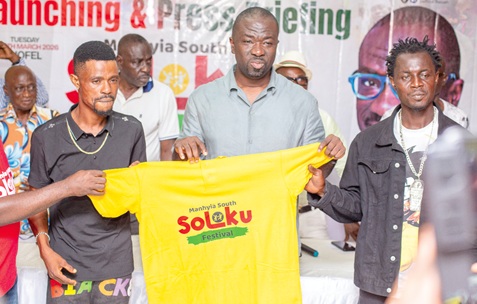
  • ASHANTI PRIDE REIGNITED! — Manhyia South MP Unveils ‘Soloku’ Festival to Celebrate Asanteman’s Timeless Values

    ASHANTI PRIDE REIGNITED! — Manhyia South MP Unveils ‘Soloku’ Festival to Celebrate Asanteman’s Timeless Values

    A powerful wave of cultural revival is sweeping through Asanteman as the Member of Parliament for Manhyia South has officially launched the electrifying ‘Soloku’ Festival—a bold new initiative aimed at preserving, promoting, and celebrating the rich heritage of the Ashanti people.

    In a colorful and symbolic unveiling, the MP declared the festival as more than just an event—it is a movement to reconnect a new generation with the soul of Asanteman. With drums beating and tradition on full display, the launch sent a clear message: the values, identity, and pride of the Ashanti Kingdom must not fade.

    Described as a celebration of unity, discipline, bravery, and respect—core pillars of Asante culture—the Soloku Festival is expected to become a major cultural highlight, drawing participants from across the region and beyond. आयोजers say it will feature traditional performances, storytelling, rites of passage, and exhibitions that showcase the depth and beauty of Ashanti customs.

    “This is about who we are,” the MP emphasized passionately. “Our traditions define us, and if we fail to pass them on, we risk losing our identity forever.”

    The announcement has already sparked excitement among cultural leaders and residents, many of whom see the initiative as a timely intervention in an era of rapid modernization. Supporters believe the festival will not only strengthen cultural pride but also serve as a platform for educating the youth about their roots.

    Critics, however, are watching closely, urging that such initiatives must go beyond symbolism and deliver lasting impact. But for now, anticipation is building—and expectations are high.

    As drums echo and preparations begin, one thing is certain: the Soloku Festival is set to ignite a renewed passion for Asanteman’s legacy, turning tradition into a vibrant, living experience for generations to come.

  • Who Owes Who? — Alexander Afenyo-Markin Sparks Firestorm Over Reparations Debate

    Who Owes Who? — Alexander Afenyo-Markin Sparks Firestorm Over Reparations Debate

    A political storm is brewing as outspoken Ghanaian lawmaker Alexander Afenyo-Markin throws a bold and controversial question into the heart of the global reparations debate: “Who should compensate whom?”

    In a statement that is already igniting heated reactions across political and social circles, Afenyo-Markin challenged the widely held narrative surrounding reparatory justice, urging a deeper and more critical examination of historical accountability.

    His remarks cut straight to the core of an emotionally charged issue—one that has long centered on compensation for the transatlantic slave trade and colonial exploitation. But instead of echoing familiar demands, the legislator flipped the script, suggesting the conversation may not be as one-sided as many believe.

    The comment has triggered a wave of intense debate, with critics accusing him of downplaying historical injustices, while supporters argue he is simply calling for a more nuanced and balanced discussion.

    Political analysts say the timing is explosive, as calls for reparations gain momentum globally, especially across Africa and the diaspora. By raising such a provocative question, Afenyo-Markin has effectively reignited a sensitive conversation—one that blends history, morality, economics, and identity.

    Is this a call for clarity—or a challenge to long-standing demands for justice?

    The debate over reparations has just taken a dramatic and unexpected turn.

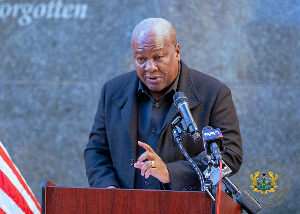
  • Accent Shock! — John Dramani Mahama Sparks Buzz After Mocking ‘Abroad-Twanged’ Ghanaians

    Accent Shock! — John Dramani Mahama Sparks Buzz After Mocking ‘Abroad-Twanged’ Ghanaians

    A storm of reactions is sweeping across social media after former President John Dramani Mahama was caught on camera playfully mimicking the exaggerated foreign accents some Ghanaians adopt after brief stays overseas.

    In a now-viral moment, Mahama humorously reenacted the all-too-familiar transformation—where a short trip abroad suddenly leaves returnees speaking with a noticeably altered twang. His animated delivery and spot-on imitation drew laughter from his audience, but it didn’t take long for the clip to ignite widespread debate online.

    Many viewers found the act hilarious and relatable, praising Mahama for highlighting a quirky social behavior that resonates across generations. “He nailed it!” some users commented, sharing their own experiences with friends and relatives who come back sounding “different.”

    But not everyone is amused.

    Critics argue that the gesture, though comedic, could be seen as subtly mocking individuals who naturally pick up speech patterns from different environments. Others question whether such portrayals reinforce stereotypes about identity and authenticity among Ghanaians abroad.

    Still, supporters insist the moment was all in good fun—an example of Mahama’s down-to-earth personality and ability to connect with everyday experiences.

    As the video continues to circulate, one thing is certain: whether you’re laughing or cringing, the “accent switch” phenomenon has once again taken center stage—and everyone has something to say about it.

  • “Same Budget, Different Outcomes!” — Rockson-Nelson Dafeamekpor Questions AG and OSP Performance Gap

    “Same Budget, Different Outcomes!” — Rockson-Nelson Dafeamekpor Questions AG and OSP Performance Gap

    In a bold and fiery critique, South Dayi MP Rockson-Nelson Dafeamekpor has ignited fresh debate over Ghana’s anti-corruption fight, revealing that the Attorney General’s office and the Office of the Special Prosecutor received equal budget allocations—yet delivered sharply contrasting results.

    The outspoken lawmaker did not mince words, suggesting that while both institutions were equally resourced, their impact tells two very different stories. His comments have triggered public scrutiny, with many now questioning efficiency, accountability, and value for taxpayer money.

    Is Ghana getting a fair return on its investment in justice—or is something fundamentally broken?

    “Equal Cash, Unequal Results!” — Rockson-Nelson Dafeamekpor Slams AG, Praises OSP Performance

    A storm is brewing in Ghana’s legal and anti-corruption space as MP Rockson-Nelson Dafeamekpor calls out what he describes as a glaring mismatch between funding and performance.

    According to him, both the Attorney General’s office and the Office of the Special Prosecutor were handed identical budgets—but their output couldn’t be more different.

    The revelation has sparked tough questions: Why is one institution seemingly outperforming the other despite equal financial backing? And who should be held accountable?

    “Money Same, Results Not!” — Rockson-Nelson Dafeamekpor Drops Bombshell on AG vs OSP

    It’s a jaw-dropping claim shaking Ghana’s governance space!

    MP Rockson-Nelson Dafeamekpor has revealed that the Attorney General’s office and the Office of the Special Prosecutor received the same level of funding—but delivered wildly different results.

    The big question on everyone’s lips: Who is underperforming—and why?

    With public trust on the line, this bombshell could spark serious calls for reform.

    Equal Budgets, Unequal Impact: Rockson-Nelson Dafeamekpor Raises Red Flags Over AG and OSP Efficiency

    A critical governance debate is unfolding after Rockson-Nelson Dafeamekpor highlighted a striking discrepancy between funding and performance in two key state institutions.

    Despite receiving equal financial allocations, the Attorney General’s office and the Office of the Special Prosecutor appear to have delivered markedly different outcomes.

    The revelation raises deeper concerns about institutional efficiency, transparency, and the effective use of public funds—issues that could shape future policy discussions.


  • GENERATIONAL BETRAYAL! — Outrage Erupts as Assafuah Blasts NYA Funding Crisis

    GENERATIONAL BETRAYAL! — Outrage Erupts as Assafuah Blasts NYA Funding Crisis

    A storm of controversy has erupted over the funding of the National Youth Authority (NYA), with fiery accusations shaking the political landscape and igniting public anger. In a blistering critique, Assafuah has condemned the situation as nothing short of a “generational betrayal,” warning that the future of Ghana’s youth hangs dangerously in the balance.

    Speaking with unmistakable urgency, Assafuah did not mince words. He painted a grim picture of an institution meant to empower young people now crippled by what he describes as chronic neglect and underfunding. According to him, the very system designed to nurture the next generation is being allowed to wither—an act he argues could have long-lasting consequences for the nation.

    “This is not just about budgets or bureaucracy,” he declared. “It is about the deliberate abandonment of young people who represent the heartbeat of this country’s future.”

    The NYA, tasked with youth development, skills training, and empowerment programs, has reportedly struggled to execute its mandate effectively due to financial constraints. Critics argue that without adequate resources, the Authority is unable to deliver meaningful opportunities, leaving thousands of young people vulnerable to unemployment and social challenges.

    Assafuah’s comments have struck a nerve, especially among youth groups and policy watchers who say the issue reflects a deeper systemic failure. Many are now questioning how a country can claim to prioritize its future while sidelining the very institution responsible for shaping it.

    The backlash has been swift. Social commentators, activists, and concerned citizens are calling for immediate action, demanding transparency and a clear commitment to restoring funding. Some warn that continued neglect could fuel frustration among young people, potentially leading to wider social unrest.

    As pressure mounts, all eyes are now on policymakers. Will they respond decisively, or will this alleged “betrayal” deepen?

    One thing he debate over NYA funding has exploded into a national flashpoint—and the voices of Ghana’s youth are growing louder by the day.

  • UDS Scores Big! — University of Development Studies Storms 2026 Honda Football Championship Final

    UDS Scores Big! — University of Development Studies Storms 2026 Honda Football Championship Final

    Football fans are celebrating a major triumph as the University of Development Studies (UDS) punches its ticket to the 2026 Honda Football Championship final in spectacular fashion.

    After a series of hard-fought matches, UDS showcased remarkable skill, determination, and teamwork, defeating top contenders to secure their place in the final showdown. The achievement marks a historic moment for the university, elevating its reputation in collegiate sports and inspiring students and supporters alike.

    Social media is buzzing with congratulatory messages from fans, alumni, and fellow students, many praising the team’s resilience and strategic play. Coaches have credited the victory to rigorous training, tactical discipline, and an unyielding fighting spirit on the pitch.

    As the final approaches, anticipation is building over who will claim the coveted Honda Football Championship trophy. Analysts suggest that UDS’s momentum and cohesion give them a strong chance to bring home the championship, but their final opponents are expected to be formidable.

    For now, the University of Development Studies celebrates a milestone victory, with the entire campus and football community rallying behind the team as they prepare for what promises to be an electrifying finale.