

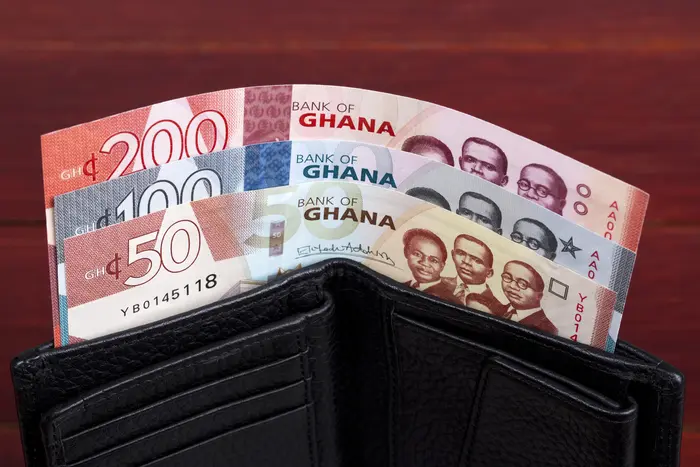
The Bank of Ghana’s latest interbank exchange rate figures for July 1, 2026 show the Ghana cedi trading at relatively stable but still elevated levels against major international currencies, reflecting ongoing pressure on the local currency in the forex market.
The published rates indicate that while the cedi has shown some resilience in recent months, it continues to face strong demand pressures from the US dollar, euro, and British pound.
US DOLLAR DOMINATES AS CEDI TRADES ABOVE GH¢11
The US dollar remained the strongest benchmark currency, with the cedi trading at around GH¢11.31–GH¢11.33 per $1 on July 1.
This reflects continued demand for the dollar in import and international trade transactions, keeping the local currency under sustained pressure despite recent stabilisation trends.
POUND AND EURO REMAIN HIGH AGAINST CEDI
The British pound sterling traded at approximately GH¢15.03 per £1, maintaining its position as one of the most expensive major currencies against the cedi.
The euro also remained elevated, exchanging at about GH¢12.95–GH¢13.01 per €1, according to interbank end-period and monthly averages.
OTHER MAJOR CURRENCIES SHOW MIXED MOVEMENTS
- Swiss franc: around GH¢14.03
- Canadian dollar: around GH¢7.99
- Australian dollar: around GH¢7.84
- Chinese yuan: around GH¢1.67
- South African rand: around GH¢0.69
- Japanese yen: around GH¢0.069 per ¥1
These figures highlight the varied performance of the cedi across different currency blocs, with stronger economies maintaining higher exchange value levels.
MARKET SIGNALS: STABILITY BUT NOT FULL RECOVERY
Analysts say the July 1 figures suggest relative short-term stability in the forex market, but caution that structural pressures—such as import demand, external debt servicing, and global currency strength—continue to influence the cedi’s performance.
While fluctuations have narrowed compared to previous volatility periods, the cedi remains sensitive to global economic shifts and domestic fiscal conditions.
OUTLOOK
The latest Bank of Ghana data underscores a familiar reality: the cedi is holding steady, but still operating under significant external pressure.
As the second half of 2026 unfolds, attention will remain on inflation trends, foreign reserve levels, and policy interventions aimed at sustaining currency stability.