

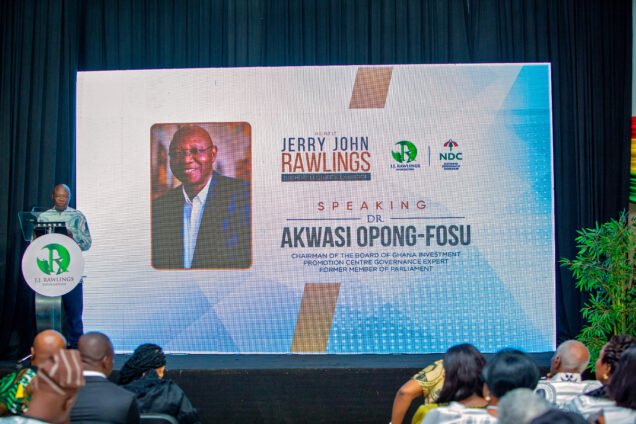
Former government minister and political commentator, E. T. Mensah Opong-Fosu, has issued a powerful call for Ghana to move beyond ceremonial tributes and embrace the deeper values associated with the legacy of Jerry Rawlings — warning that institutional discipline, accountability, and strong governance systems must become the real measure of his impact.
Opong-Fosu argued that remembering Rawlings should not be reduced to public celebrations, speeches, or symbolic gestures, but should instead focus on rebuilding the systems of discipline and responsibility that defined much of Rawlings’ political era.
According to him, the late former president’s greatest contribution was the emphasis on order, integrity, and the demand that public institutions serve the people with seriousness and commitment.
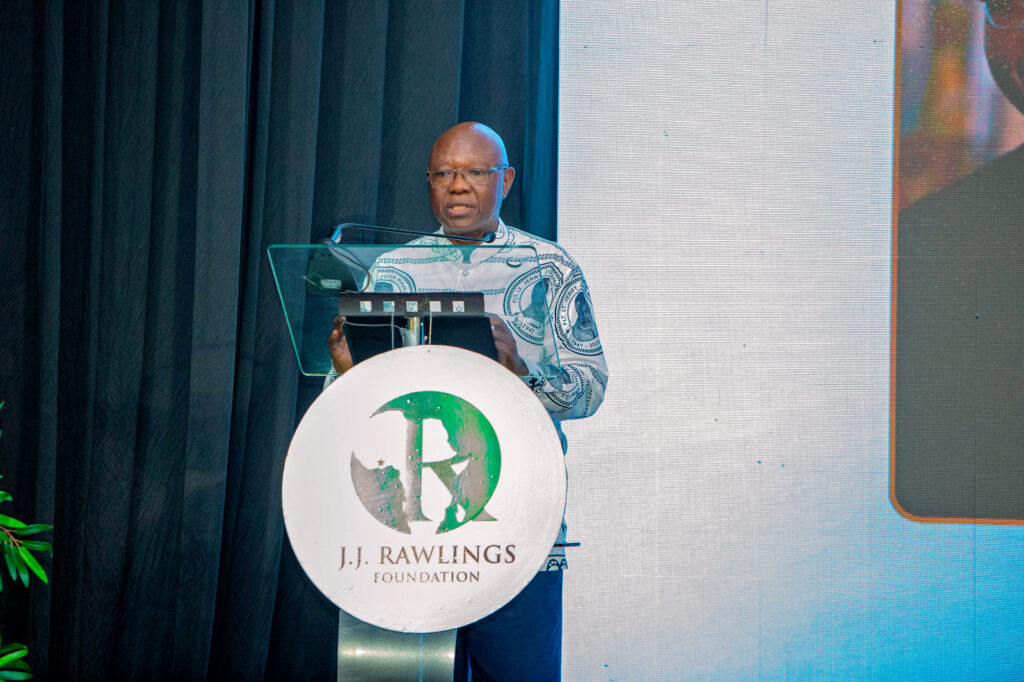
“Rawlings’ legacy cannot survive on symbolism alone,” Opong-Fosu stressed, insisting that Ghana’s institutions must demonstrate the values that many associate with the former leader.
He warned that a nation cannot honour a political figure while ignoring the principles that shaped that person’s leadership. For him, the real tribute lies in strengthening public institutions, enforcing accountability, and creating a culture where rules apply equally to everyone.
The comments have reignited debate about how Ghana should preserve the memory of Rawlings and whether the country has moved away from the governance ideals associated with his leadership.
Supporters of Rawlings often point to his focus on discipline, anti-corruption efforts, and institutional reforms, while critics continue to debate aspects of his political methods and governance record.
However, Opong-Fosu maintained that the conversation should focus less on personalities and more on building a functioning state where institutions are respected and effective.
“True remembrance is not about monuments and ceremonies; it is about keeping alive the principles that can strengthen the country,” he said.
The remarks come at a time when calls for stronger governance, accountability, and institutional reforms continue to dominate Ghana’s national conversation.
For Opong-Fosu, the biggest test of Rawlings’ legacy is whether Ghana can transform the ideals associated with his leadership into lasting national institutions.