

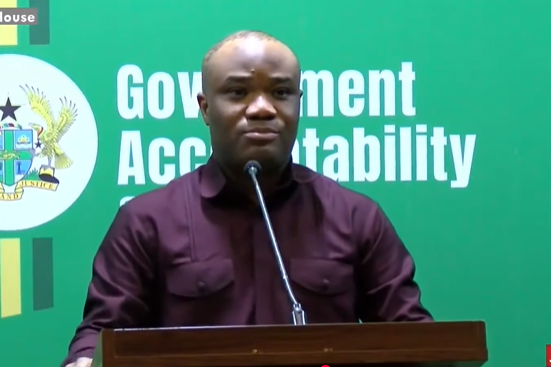
Government Spokesperson Pushes Back Against Claims of Salary Increases Under Mahama Administration
Government communicator Felix Kwakye Ofosu has strongly defended former President John Dramani Mahama, insisting that no additional increases have been made to the salaries of presidential appointees during his time in office.
His remarks come amid growing public debate over compensation levels for political office holders and renewed scrutiny of government expenditure on appointees.
“No Increment Was Approved,” Kwakye Ofosu Insists
Kwakye Ofosu dismissed suggestions that the Mahama-led administration had quietly adjusted or enhanced the salaries of presidential appointees, describing the claims as misleading and inaccurate.
According to him, the salary structure for political appointees remains unchanged and continues to follow established public sector pay frameworks.
He stressed that decisions on remuneration are not made arbitrarily, but are guided by approved public service structures and fiscal policy considerations.
Pushback Against Political Narratives
The clarification appears aimed at countering narratives circulating in political circles that suggest increases in compensation for government appointees under the current leadership associated with the National Democratic Congress (NDC).
Kwakye Ofosu argued that such claims risk distorting public understanding of government expenditure and could fuel unnecessary political tension.
Public Debate Over Political Pay Continues
The issue of salaries and benefits for political appointees remains a sensitive topic in Ghana, often resurfacing during periods of economic debate and political competition.
While critics frequently call for reductions in government expenditure, defenders of the system argue that competitive compensation is necessary to attract qualified professionals into public service.
Attention Shifts to Transparency in Governance
Observers say the latest comments are likely to intensify calls for greater transparency in how political salaries are determined and communicated to the public.
As discussions continue, the focus remains on ensuring accountability while maintaining trust in the management of public funds.
For now, Kwakye Ofosu’s firm denial has added another layer to the ongoing national conversation about governance, expenditure, and political communication in Ghana.