

New Rules Expected to Reshape Player Movement, Agent Power, and Club Spending Worldwide
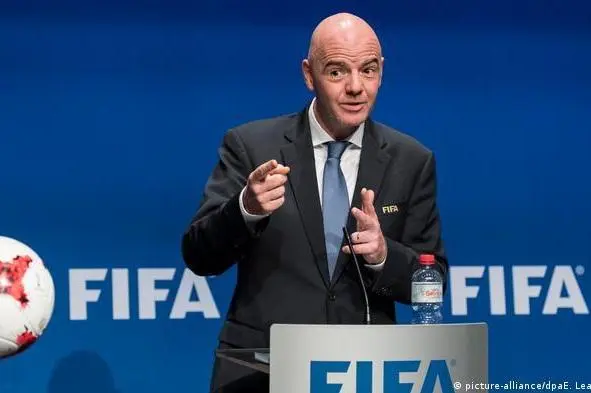
World football is on the verge of a major transformation after FIFA announced sweeping reforms to the global transfer system ahead of the 2027 season, in what officials describe as one of the most significant regulatory changes in modern football history.
The new framework is aimed at increasing transparency, tightening financial discipline, and reducing long-standing concerns over inflated transfer fees and excessive intermediary influence in player negotiations.
Although full technical details are still being rolled out, the reforms are expected to introduce stricter controls on agent commissions, enhanced financial monitoring of club spending, and more standardized procedures governing international player transfers.
Clubs Face Stricter Financial Oversight
Under the proposed system, clubs will reportedly be subjected to tighter compliance checks on transfer-related expenditures, with authorities seeking to curb unchecked spending that has long distorted competitive balance in global football.
Officials argue that the reforms are designed to protect the sustainability of clubs, particularly smaller teams that struggle to compete in an increasingly expensive transfer market dominated by elite European sides.
Agents and Intermediaries Under Pressure
One of the most talked-about elements of the overhaul is the expected tightening of regulations governing football agents and intermediaries.
The reforms are anticipated to place limits on commission structures and enforce greater transparency in player representation deals, a move widely seen as an attempt to restore balance in negotiations between clubs, agents, and players.
Player Movement and Registration Changes
The new system is also expected to streamline player registration processes across leagues and strengthen oversight of cross-border transfers, with the aim of reducing disputes and regulatory loopholes that have complicated deals in recent years.
Football analysts believe these changes could significantly alter how young talents are scouted, signed, and developed, especially in emerging football markets.
Global Reaction Builds
Early reactions from clubs, agents, and football stakeholders have been mixed, with some welcoming the push for fairness and stability, while others warn that stricter rules could reduce market flexibility and slow down high-profile transfers.
Despite differing opinions, there is broad agreement that the reforms mark a turning point in how the global football economy is governed.
As the 2027 implementation window approaches, attention is expected to shift toward how effectively FIFA enforces the new rules and whether member associations align with the updated framework.
For now, the football world waits for the full regulatory blueprint — one that could redefine the modern transfer era.