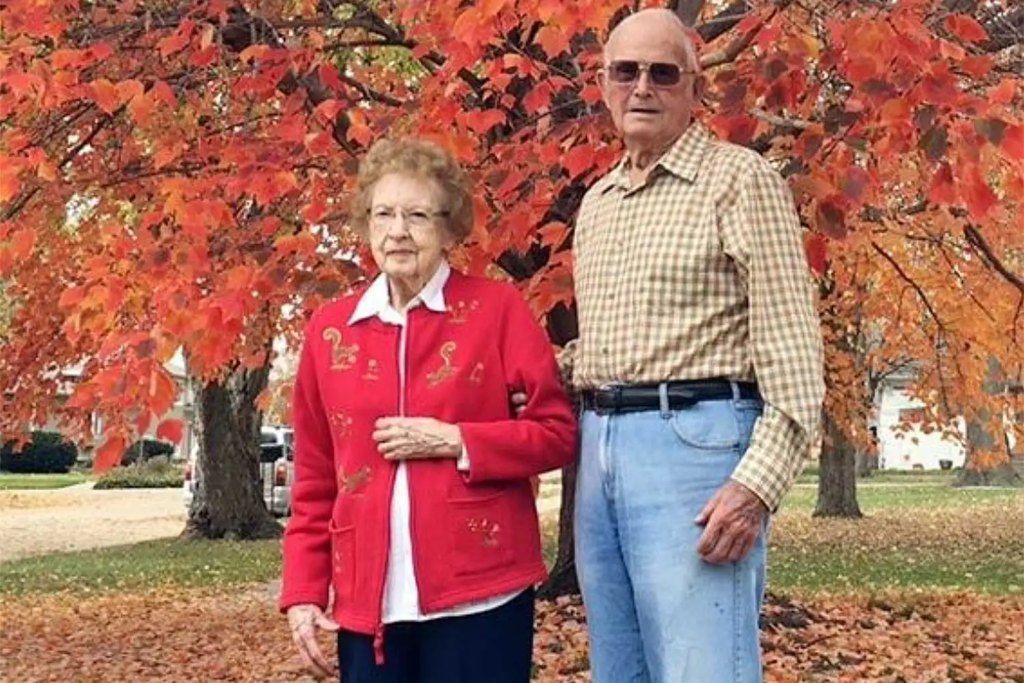

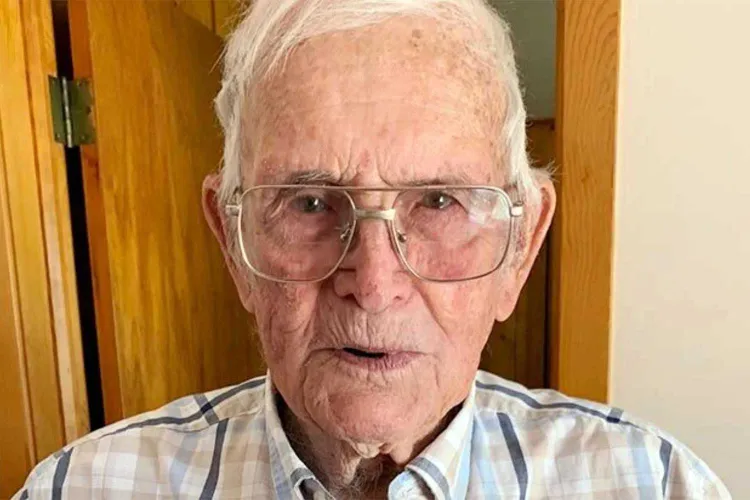
A remarkable act of generosity has made history in the United States after a 100-year-old World War II veteran became the oldest known organ donor in the country when his liver was successfully transplanted into a patient in need.
The donor, Dale Steele from Nebraska, died in February after suffering a serious head injury and being placed on life support. After doctors contacted his family about the possibility of organ donation, they agreed to donate his liver, honoring what they believed would have been his wish to help others.
Despite his advanced age, medical experts explained that the liver’s ability to regenerate cells means the organ can remain viable even in very elderly donors. Doctors note that liver cells constantly renew themselves, meaning the organ can be biologically much younger than the person’s chronological age.
The liver was recovered after Steele’s death and transplanted the following day at a medical center in Nebraska. The recipient reportedly recovered quickly and was discharged from the hospital just five days after the life-saving transplant.
Steele lived a life defined by service. During World War II, he served in Europe and later worked in agriculture for decades after returning home. His family said the final donation reflected the same generosity that defined his life.
Health experts say the story is a powerful reminder that age alone should not prevent organ donation, as modern transplant technology and improved preservation techniques now allow more people—including elderly donors—to save lives.
For Steele’s family, the gesture ensures that his legacy continues: even after a century of life, he was still able to give someone else a second chance.