

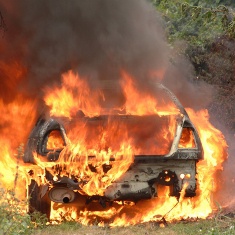
A leading safety expert has issued a stark warning to drivers: the biggest danger during a vehicle fire may not be the flames themselves—but the mistakes people make in the crucial first moments.
Vehicular fires, often caused by mechanical faults, fuel leaks, or electrical problems, can escalate in seconds. According to experts, panic and poor decision-making are what frequently turn a manageable situation into a catastrophic disaster.
The Deadly Errors That Make Fires Worse
One of the most dangerous mistakes is opening the hood too quickly. While it may seem natural, introducing oxygen to a smoldering fire can cause it to flare violently, turning a small blaze into an uncontrollable inferno.
Another common error is delaying evacuation. Many drivers attempt to retrieve belongings or assess the situation instead of moving to safety immediately, costing precious seconds that can be life-saving.
Some motorists also make the mistake of pouring water on fuel or electrical fires, which can spread flames or trigger explosions. Without the proper extinguisher, this well-intentioned action can be deadly.
Panic vs. Preparedness
Experts stress that panic is the real accelerant. In high-stress situations, drivers often forget basic safety steps—like turning off the engine, moving away from the vehicle, and calling emergency services.
Not having the right fire extinguisher—or any at all—also compounds the danger. Many vehicles are not equipped to handle even a small fire, leaving drivers vulnerable once flames appear.
How to Stay Safe
Safety professionals urge motorists to remember these life-saving rules:
- Pull over immediately and switch off the engine at the first sign of smoke or flames.
- Evacuate everyone quickly and move a safe distance away.
- Do not open the hood fully if fire is suspected underneath.
- Call emergency services immediately.
- Only attempt to fight the fire if it is very small and you have the proper extinguisher.
With reports of vehicle fires on the rise, experts emphasize that awareness and calm action can mean the difference between a minor incident and a life-threatening disaster.