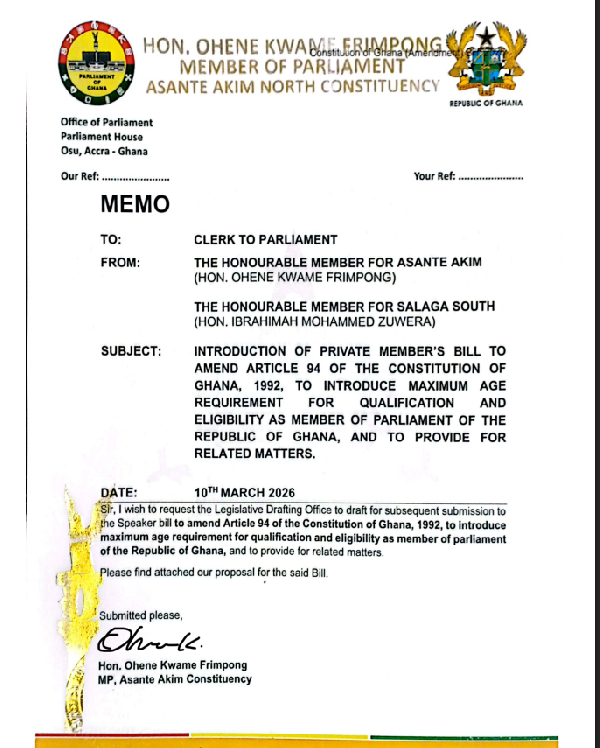

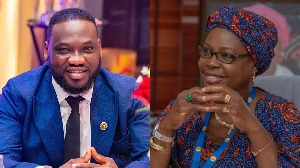
A heated debate is brewing in Ghanaian politics as two outspoken Members of Parliament propose capping the age of parliamentary aspirants at 65, igniting controversy across the political spectrum.

According to the MPs, the move is intended to ensure that elected officials remain energetic, responsive, and in touch with the rapidly changing needs of the electorate. “Leadership requires stamina, fresh ideas, and the ability to relate to a younger generation of voters,” one MP reportedly stated, emphasizing that the proposal is not meant to disrespect older politicians but to modernize governance.
Critics, however, are already pushing back, arguing that age does not necessarily correlate with effectiveness, wisdom, or experience. Veteran politicians and party leaders warn that the limit could exclude seasoned lawmakers who have dedicated decades to public service, potentially depriving the parliament of institutional knowledge and mentorship for younger colleagues.
Political analysts suggest the proposal may spark broader debates about term limits, generational change in leadership, and the balance between experience and innovation in governance. Social media is already buzzing, with citizens divided over whether age should define eligibility for public office or whether competence should remain the overriding factor.
As discussions intensify, the proposal is poised to become one of the most controversial issues in Ghanaian politics, raising fundamental questions about the future of political leadership and generational change in parliament.