

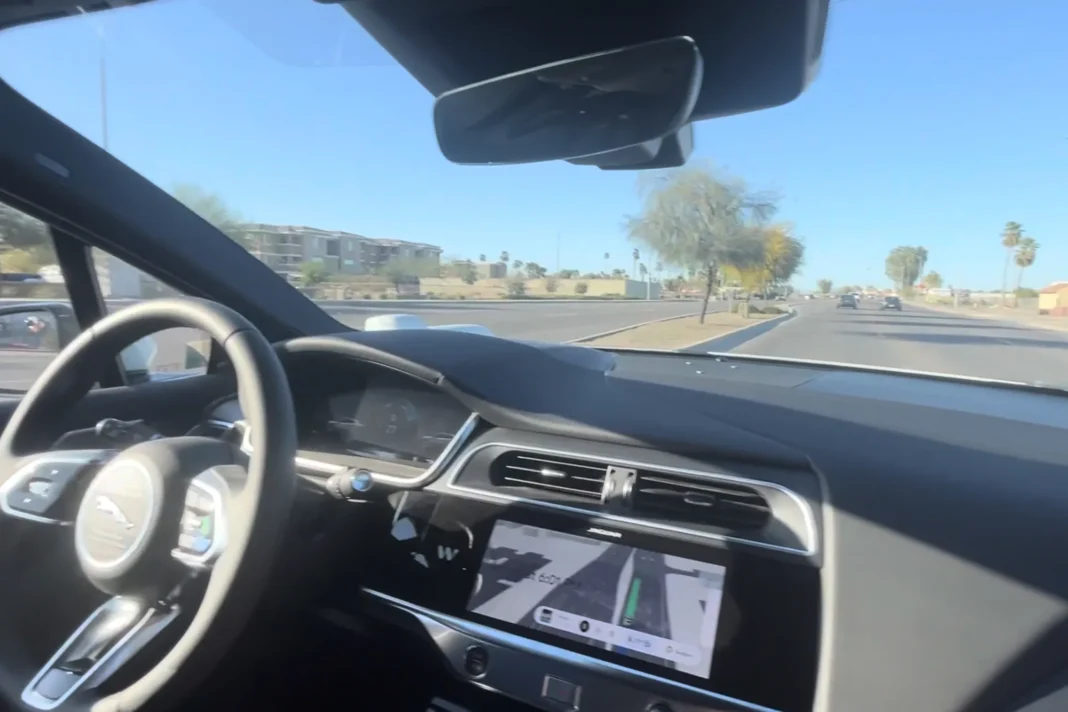
What was supposed to be a futuristic and convenient ride quickly turned into a frightening experience for a woman during her first trip in a driverless taxi.
The passenger had booked the autonomous ride through Waymo, a company known for operating self-driving taxis in parts of the San Francisco and Phoenix. However, the journey took a nerve-racking turn when the vehicle suddenly stopped in the middle of a busy intersection.
According to the woman, the taxi appeared to freeze without warning as traffic built up around it. With cars approaching from multiple directions, she said the situation quickly became tense and confusing.
“I didn’t know what to do,” she reportedly explained, noting that there was no driver in the vehicle to take control or explain what was happening.
Autonomous vehicles like those developed by Waymo rely on sensors, cameras, and artificial intelligence to navigate roads without human drivers. While the technology has been praised for its potential to reduce accidents and transform transportation, incidents like this highlight the challenges that still exist.
The woman said she attempted to contact customer support through the in-car system while waiting anxiously as traffic moved around the stalled vehicle.
Eventually, the car resumed operation after a brief pause, allowing her to complete the ride safely. However, the experience left her shaken and questioning whether the technology is fully ready for widespread use.
Experts in autonomous driving say rare glitches can occur when the vehicle’s system encounters unexpected road conditions or sensor confusion. Companies developing the technology emphasize that safety systems are designed to stop the car if the software detects uncertainty.
Despite the scare, the incident has fueled online discussions about the reliability of driverless taxis and the future of autonomous transportation.
For many observers, the episode serves as a reminder that while the era of self-driving cars is rapidly approaching, public trust will depend heavily on how safely these systems perform in real-world situations.