

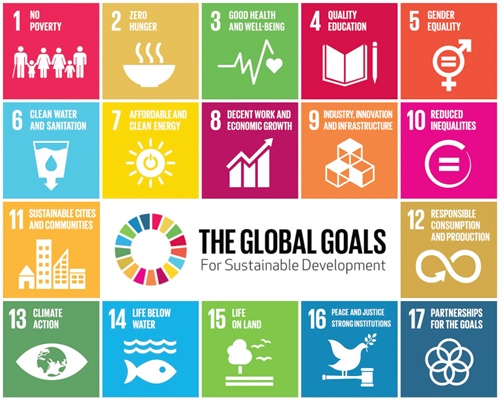
With just a few years left until 2030, the world faces a daunting question: can we realistically achieve the Sustainable Development Goals (SDGs)? Experts and policymakers are sounding the alarm, warning that without urgent, coordinated action, the global ambitions to end poverty, protect the planet, and ensure prosperity for all could remain just that—ambitions.

Despite significant progress in areas like education and healthcare, key indicators suggest many targets are lagging dangerously behind schedule. Climate change, economic inequality, political instability, and the lingering effects of the pandemic are cited as major obstacles threatening the SDG timeline. Analysts describe the current trajectory as “highly precarious,” noting that several goals may require dramatic course corrections to be met on time.
Some development specialists argue that the SDGs are not just lofty ideals but a moral imperative, calling for unprecedented cooperation between governments, private sectors, and civil society. “We are at a crossroads,” one UN advisor warned. “Failing to accelerate progress now could lock in decades of lost opportunity for the most vulnerable populations.”
On the other hand, innovative solutions—ranging from digital technologies and green energy investments to targeted social programs—offer a glimmer of hope. Advocates say the key lies in scaling solutions quickly and inclusively, ensuring no community is left behind.
As the 2030 deadline looms, debate intensifies: is achieving the SDGs still within reach, or have global leaders set a timeline that may prove impossible to meet? One thing is certain—the clock is ticking, and the stakes could not be higher.