

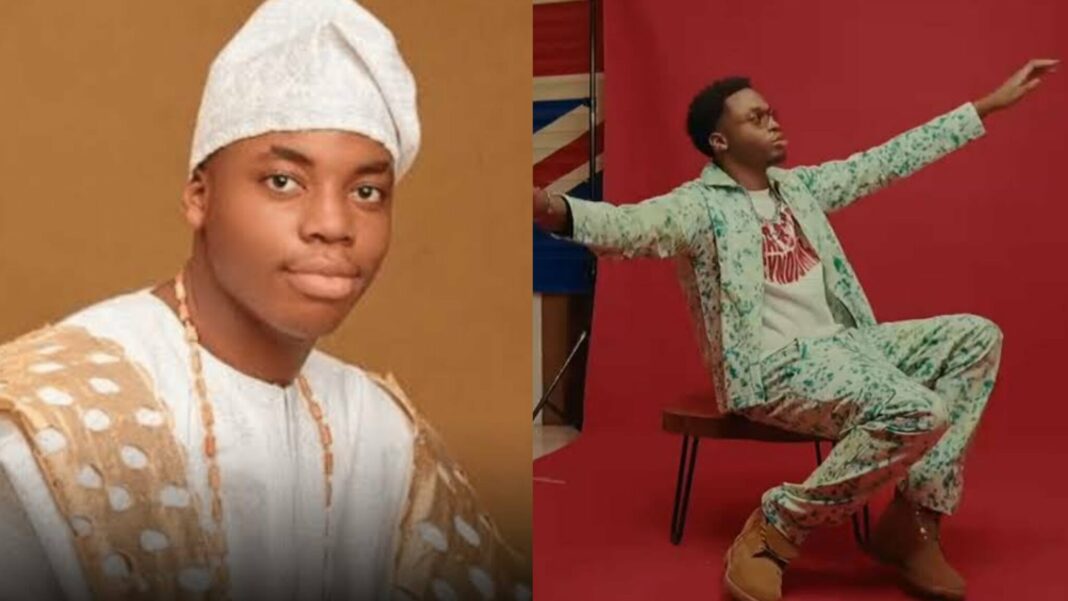
A storm erupted across social media this week after Siraheem Okoya, billionaire heir and son of Nigerian industrialist Chief Razaq Okoya, dropped a blunt and polarizing take on wealth: “Poverty is a mindset.”

The remark, delivered casually but cutting sharply, spread like wildfire—sparking applause, outrage, memes, think pieces, and fierce debates across X (formerly Twitter), Instagram, and TikTok. Within hours, the phrase had morphed from a quote into a cultural flashpoint.
“Motivation or Tone-Deaf?”
Supporters of Okoya rushed to his defense, framing the comment as a message of self-belief, ambition, and mental discipline. To them, it echoed classic motivational rhetoric: change how you think, and you can change your life.
“People are too sensitive,” one user posted. “He’s talking about mentality, not mocking the poor.”
Others praised Okoya for saying what many wealthy figures think but rarely say out loud—that mindset plays a critical role in success.
But critics weren’t buying it.
“Easy to Say From a Mansion”
Backlash came swift and fierce, with many accusing the billionaire heir of privilege blindness. Detractors argued that reducing poverty to a mindset ignores harsh realities like unemployment, inflation, lack of access to education, and systemic inequality.
“Tell that to someone working three jobs and still hungry,” one viral reply read.
“Mindset doesn’t pay rent,” another snapped.
For many, the controversy wasn’t just about one sentence—it was about who gets to say it. As someone born into immense wealth, Okoya’s words struck critics as disconnected from lived struggles.
A Larger Conversation on Wealth and Responsibility
The debate has since widened beyond Okoya himself, reopening old questions about wealth inheritance, social responsibility, and motivational culture. Should the ultra-wealthy inspire with tough love—or listen more before speaking?
Marketing experts and social commentators note that the phrase “poverty is a mindset” has long circulated in self-help circles, but hits differently in today’s economic climate, where rising costs and shrinking opportunities make survival itself a daily battle.
Silence, Strategy, or Stand?
As the conversation rages on, Okoya has yet to issue a formal clarification or apology, leaving the internet to interpret his words—and intentions—on its own.
Whether seen as a bold truth, a careless flex, or a symptom of elite disconnect, one thing is undeniable:
Siraheem Okoya didn’t just make a statement—he lit a match.
And in a world already tense about money, class, and power, the fire isn’t dying down anytime soon.