

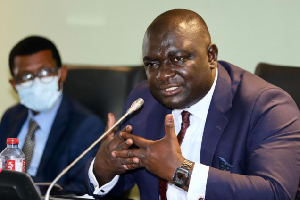
Accra — In a dramatic twist that has set Ghana’s tech and investment world buzzing, the Member of Parliament for Mpraeso has issued a stark warning: the removal of 5G exclusivity from Next‑Gen Infraco could send a chilling message to investors and derail confidence in the nation’s digital future.
In a fiery speech on the floor of Parliament, the MP said the controversial decision to strip Next‑Gen Infraco of its exclusive rights to roll out 5G infrastructure is a “dangerous precedent” that could see foreign and domestic investors second‑guessing their faith in Ghana’s regulatory environment.
“This is not just a policy shift,” the Mpraeso MP declared. “It’s a shot across the bow for every investor watching Ghana right now. When you take away exclusivity after contracts are signed, what guarantee do investors have that tomorrow’s agreements won’t be reneged on too?”
The debate ignited intense reactions from lawmakers, industry stakeholders, and business commentators, with many questioning the government’s handling of the Next‑Gen Infraco 5G licensing saga and its implications for future big‑ticket tech investments.
Critics argue that the move — apparently aimed at opening up the 5G market to more players — risks undermining long‑term infrastructure commitments and deterring strategic partnerships needed to propel Ghana’s digital transformation.
Tech analysts warn that Ghana may be perceived as a riskier destination, especially at a time when global competition for 5G deployment dollars is fierce and investors have many choices on the continent.
Supporters of the policy change, however, counter that ending exclusivity could spur competition, drive down costs, and accelerate access to next‑generation services for ordinary Ghanaians. They say more players in the 5G space means faster rollout and wider coverage. But the MP from Mpraeso remains unconvinced.
“Competition is healthy,” he said, “but rule of law and respect for agreements are the bedrock of investor confidence. If Ghana wants to be in the race for cutting‑edge tech dollars, we can’t flip the rules halfway through the game.”
As the controversy grows, all eyes are on the communications ministry, regulators, and Cabinet — with the business community watching anxiously for signals that Ghana will remain a safe harbor for long‑term investment.
The explosive debate marks a turning point in Ghana’s digital economy narrative — and could redefine how tech contracts are negotiated, enforced, and perceived for years to come.