

- Over-commercialization of worship content — She argued that excessive promotion of events, tithes, or donations online makes the church feel more like a business than a place of faith.
- Sensationalized media posts — According to her, posting shocking or exaggerated content to grab attention undermines the authenticity of the message and misleads followers.
- Neglecting spiritual substance for aesthetics — She criticized churches for prioritizing flashy visuals, trending memes, or viral content over teaching and guiding congregants in faith.
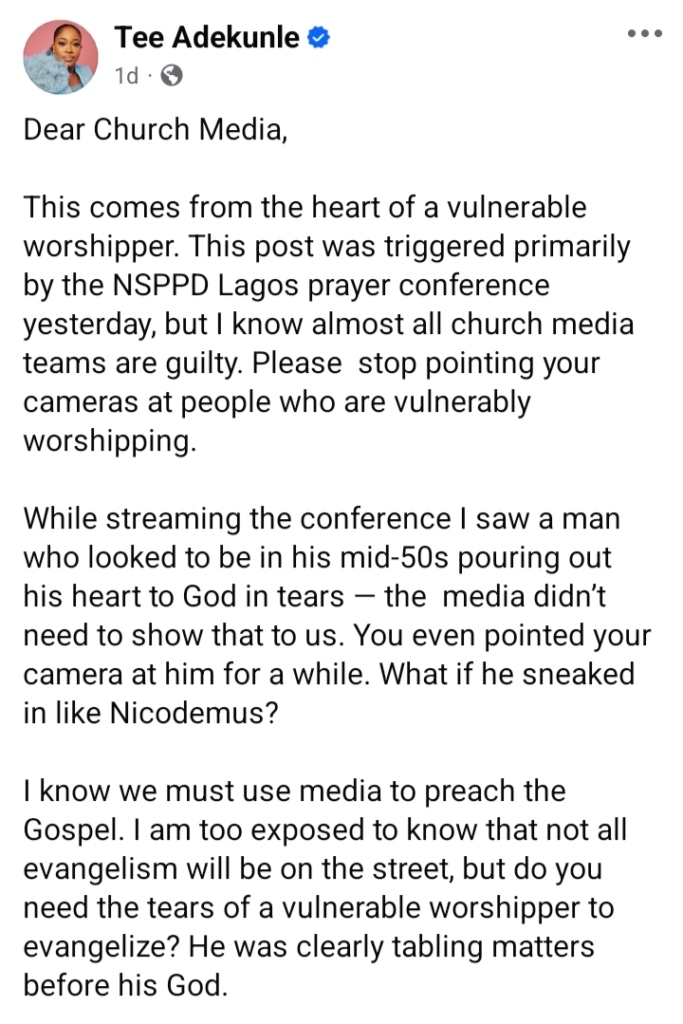
Her direct and emotional appeal resonated with thousands online. Supporters praised her honesty, agreeing that the focus on image often eclipses the spiritual mission of the church. Others debated whether her points were too harsh, sparking lively conversations about accountability and modern church media strategies.
The woman concluded with a heartfelt reminder: “We come to church for guidance, not for theatrics. Please, think about what really matters.”
Her viral call-to-action has not only put the spotlight on NSPPD’s media practices but also forced other churches to reflect on how they communicate with congregants in the digital age.