

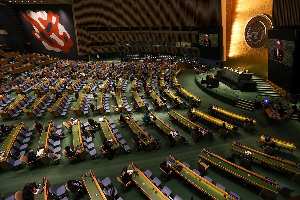
Ghana has once again found itself in the global spotlight as it pushes a critical motion on slavery at the United Nations, sparking intense discussion about what it truly takes for such initiatives to pass—or fail.
The motion, which seeks to address historical injustices and advance reparative measures, is a complex balancing act involving diplomatic strategy, coalition-building, and navigating international politics. Passing requires broad support from UN member states, particularly influential blocs, while any misstep could see the proposal stall or be rejected outright.
Experts note that successful motions often hinge on careful framing, robust evidence, and persuasive advocacy by Ghanaian diplomats, alongside leveraging historical ties and moral arguments that resonate with both developing and developed nations. Political timing, regional alliances, and the ability to counter opposing narratives also play a decisive role.
Failing to secure enough backing could result in reputational setbacks and weaken Ghana’s voice on the global stage, but proponents argue that even initiating the motion is a statement of leadership and moral responsibility.
As negotiations unfold behind closed doors, Ghana’s UN delegation faces the high-stakes challenge of turning a bold historical claim into tangible international support—an endeavor that combines diplomacy, strategy, and unwavering resolve.