

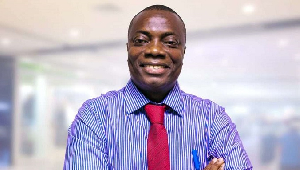
A wave of cautious optimism is sweeping across the country as Mussa Dankwah boldly declares that Ghanaians are becoming happier, pointing to improving living conditions as a major turning point.
In a statement that’s quickly gaining traction, Dankwah suggested that despite recent economic hardships, there are clear signs that things are beginning to look up. According to him, shifts in key indicators and public sentiment suggest that many citizens are regaining hope and confidence in their daily lives.
The claim has sparked mixed reactions. Supporters say they are beginning to feel some relief, citing gradual stability in prices and slight improvements in economic activity. For them, the statement reflects a reality that is slowly emerging after a challenging period.
However, critics are not convinced. Many argue that while there may be marginal improvements, the average Ghanaian is still grappling with high living costs, unemployment concerns, and financial pressure. Some have questioned the data behind the claim, demanding clarity on how this “happiness” is being measured.
Social media has since lit up with debate, as citizens weigh in with personal experiences—some echoing renewed optimism, others insisting that the situation on the ground remains tough.
As the conversation unfolds, one thing is clear: the question of whether Ghanaians are truly happier is far from settled. But Dankwah’s statement has reignited a national discussion about progress, perception, and the real state of living conditions in the country.