

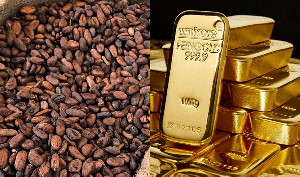
As Ghana marks 69 years of independence, a hard truth continues to loom over the country’s economic future: despite decades of progress, Ghana still exports most of its natural wealth in raw form—and imports finished products at far higher prices. The result? Lost jobs, lost revenue, and a cycle that keeps the nation from fully realizing its economic power.
This challenge—often called the “raw export trap”—has followed Ghana since the early years of independence. From cocoa and gold to bauxite and crude oil, Ghana remains one of the world’s leading exporters of raw commodities. Yet the real profits are often captured elsewhere, where these materials are processed, refined, and turned into high-value goods.
Take cocoa, for example. Ghana is the world’s second-largest cocoa producer, but much of the chocolate consumed globally is manufactured outside the country. While farmers work tirelessly to produce the beans, the bulk of the profits are made by foreign manufacturers who transform the raw product into finished chocolate bars and confectionery.
The same story repeats across other sectors. Ghana exports gold but imports finished jewellery. It ships out bauxite but buys aluminium products. It pumps crude oil but still imports refined petroleum products.
Experts say the consequences are significant. By exporting raw materials instead of processed goods, Ghana forfeits millions in potential revenue, along with thousands of industrial jobs that could strengthen the economy.
This is why many economists and policymakers are calling for a bold shift toward value addition and industrialization. Instead of exporting cocoa beans, Ghana could produce more chocolate and cocoa-based products locally. Instead of selling raw minerals, the country could invest in refining and manufacturing industries.
Encouragingly, there have been steps in this direction. Initiatives to expand local processing of cocoa and efforts to build integrated aluminium and petroleum industries are seen as important moves toward changing the economic narrative.
But analysts warn that progress must accelerate. They argue that Ghana needs stronger policies, strategic investments, and partnerships that prioritize local production, technology transfer, and skills development.
As the nation celebrates Ghana@69, the anniversary offers not just a moment for reflection, but also a powerful call to action.
If Ghana can break free from the raw export trap, the rewards could be transformative: stronger industries, more jobs for young people, increased national revenue, and an economy that captures far more value from its own resources.
After nearly seven decades of independence, many believe the next chapter must be about owning the full value of what Ghana produces—from farm and mine to factory and global market.
Because true economic independence may depend on one crucial shift: Ghana must stop exporting potential and start exporting finished power.