

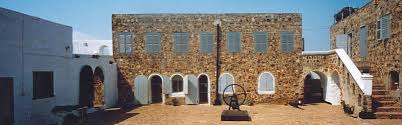
Perched along strategic points of Ghana’s coast, Fort Good Hope stands as a stark reminder of the country’s colonial past — a fortress not just for defense, but for domination. Built during the height of European colonization, the fort’s architecture was meticulously designed to serve two main purposes: military defense and political control.

Historians note that the fort’s thick walls, narrow passageways, and elevated gun emplacements were carefully planned to withstand attacks from rival European powers and local resistance. Its vantage points allowed colonial forces to monitor surrounding areas, control trade routes, and secure valuable commodities, particularly gold and other resources.
Inside, the layout facilitated strict regulation of movement, separating officers from soldiers and controlling access to storage areas for weapons and goods. The architecture also served a psychological purpose, signaling power and authority over both colonized peoples and competing traders.
Fort Good Hope exemplifies how colonial architecture was not merely functional, but strategic, intertwining military technology with social control. Its presence today serves as a historical lens, offering insight into the methods used by European powers to assert dominance in West Africa.
Visitors to the fort can still see these design elements — from cannons positioned for maximum reach to fortified walls built for defense — standing as enduring symbols of a period defined by war, commerce, and control.