

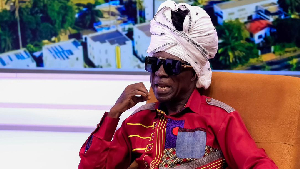
Legendary highlife maestro Kojo Antwi has set off a heated cultural debate after boldly declaring that Ghanaians are increasingly celebrating only the kinds of rhythms that appeal to Western audiences.
In a passionate reflection on the evolution of Ghanaian music, the iconic singer lamented what he sees as a growing obsession with foreign validation — warning that local sounds and traditional authenticity are being sidelined in favor of globally palatable beats.
“Are We Losing Ourselves?”
Kojo Antwi did not mince words. According to the veteran musician, there is a worrying trend where rhythms are only “glorified” if they fit into Western dance styles or international commercial standards.
The statement has struck a nerve across the creative arts space, sparking intense discussions among musicians, producers, and fans alike.
Is Ghanaian music slowly abandoning its roots?
Are artists chasing global fame at the expense of cultural identity?
Global Fame vs Cultural Pride
Over the years, African music has gained massive global recognition. From Afrobeats topping international charts to collaborations with global superstars, the continent’s sound has never been more visible.
But Kojo Antwi’s concern suggests that this global wave may come at a cost — the dilution of indigenous rhythms, languages, and storytelling traditions that once defined Ghana’s musical heritage.
Supporters of the music legend agree, arguing that highlife and other traditional genres are being overshadowed by trend-driven sounds crafted primarily for Western markets.
Mixed Reactions Pour In
While many applaud Kojo Antwi for “speaking truth to power,” others believe music naturally evolves and that international appeal does not necessarily mean cultural compromise.
Some younger creatives argue that blending sounds is part of artistic growth — not betrayal.
A Veteran’s Cry or A Cultural Wake-Up Call?
With decades of influence under his belt, Kojo Antwi’s voice carries weight. His lament is more than nostalgia — it’s a challenge to artists, producers, and audiences to reflect on what they celebrate and why.
As the debate rages on, one question echoes loudly:
Are we dancing to our own drum — or to rhythms crafted for someone else’s approval?