Author: Ghlagatin@gmail.com

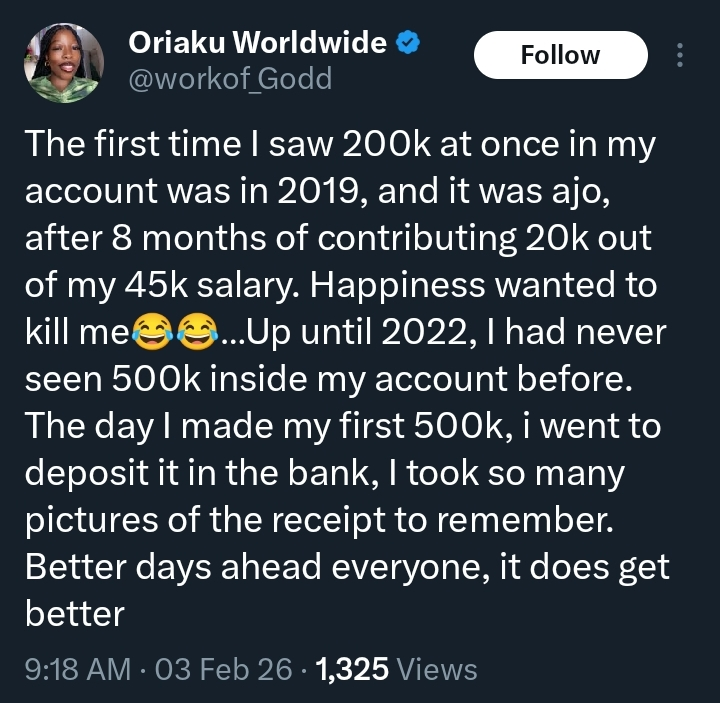
  • The First Time I Saw ₦200k… — Lady Recounts Thrilling Moment She Made Her First Big Money

    The First Time I Saw ₦200k… — Lady Recounts Thrilling Moment She Made Her First Big Money

    A young woman has captured the hearts and imaginations of social media users after sharing the electrifying story of how she earned her first ₦200,000, describing the experience as life-changing, empowering, and unforgettable.

    A Moment She’ll Never Forget

    In a viral recount, the lady detailed the exact moment she first laid eyes on the money. “The first time I saw ₦200k, I couldn’t believe it,” she admitted. “It felt like all my hard work was finally paying off.”

    The story quickly resonated with audiences, many of whom related to the thrill of financial independence and the satisfaction of earning one’s own money for the first time.

    From Hustle to Reward

    She explained that the journey to that first ₦200k was not easy. Long hours, smart planning, and sheer determination eventually paid off, proving that patience and perseverance are key to success.

    “I worked day and night, learning, failing, and trying again,” she said. “When that money finally came, it wasn’t just cash—it was proof that I could achieve anything I set my mind to.”

    Social Media Celebrates Her Story

    Her story has gone viral, sparking motivation threads and celebratory comments. Users applauded her resilience and shared their own milestones, creating a wave of inspiration across platforms.

    Hashtags like #FirstBigMoney, #FinancialFreedom, and #HustleStories began trending as people connected over the universal excitement of earning life-changing sums.

    Lessons for Young Hustlers

    Financial experts have weighed in, noting that stories like hers highlight the importance of skill-building, persistence, and smart financial management. They encourage young people to view such milestones as stepping stones to bigger achievements.

    A Symbol of Empowerment

    For the lady, the ₦200k was more than money—it symbolized independence, empowerment, and the possibilities that come from hard work. “That moment changed how I see myself and my potential,” she said.

    From a simple first earning to a viral tale of triumph, her story is inspiring a generation to dream bigger, work harder, and celebrate every milestone along the way.

  • I Barked Like a Dog — Lady Recounts Shocking Moment Father Tried to Marry Her Off to 63-Year-Old Man

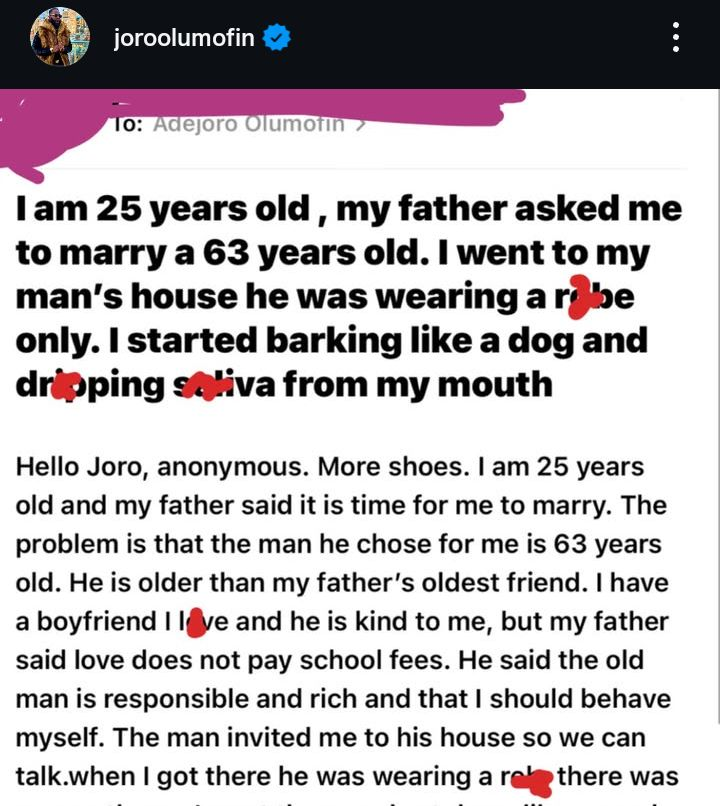
    I Barked Like a Dog — Lady Recounts Shocking Moment Father Tried to Marry Her Off to 63-Year-Old Man

    A woman has sent shockwaves across social media after recounting a disturbing and emotional experience in which her father allegedly attempted to force her into marriage with a 63-year-old man—a proposal she says left her terrified, humiliated, and desperate.

    A Proposal She Never Saw Coming

    According to the lady, the incident happened when her father informed her that arrangements were underway for her to marry a man old enough to be her grandfather. The revelation reportedly came without her consent or prior discussion, leaving her in a state of panic.

    “I couldn’t even speak properly,” she recalled. “I barked like a dog because I didn’t know how else to react.”

    A Cry of Protest, Not Madness

    She explained that her bizarre reaction was a desperate act of resistance, meant to shock her family and make it clear that she would not comply. “That was the only way I could show how absurd and painful the situation was,” she said.

    Her story has since gone viral, drawing attention to the psychological trauma associated with forced and arranged marriages, especially involving young women.

    Social Media Reacts With Outrage

    The revelation triggered an avalanche of reactions online:

    • Supporters praised her courage for speaking out and condemned forced marriage as abuse.
    • Others expressed disbelief that such practices still occur, calling for stronger legal protections and cultural reform.

    Hashtags like #SayNoToForcedMarriage, #WomenDeserveChoice, and #HerBodyHerChoice began trending as users shared similar stories.

    Experts Speak Out

    Human rights advocates say forced marriage is a violation of fundamental rights, warning that emotional coercion can be just as damaging as physical force. “Consent is non-negotiable,” one advocate stated. “Tradition should never override a woman’s autonomy.”

    A Painful Reminder

    The lady says the incident has permanently affected her relationship with her father, but she hopes her story will empower other women to speak up. “Silence protects abusers,” she said. “If my story helps one person escape, it’s worth it.”

    What sounds shocking and unbelievable is, for many women, a hidden reality—making this viral confession not just a story, but a powerful call for awareness, reform, and choice.

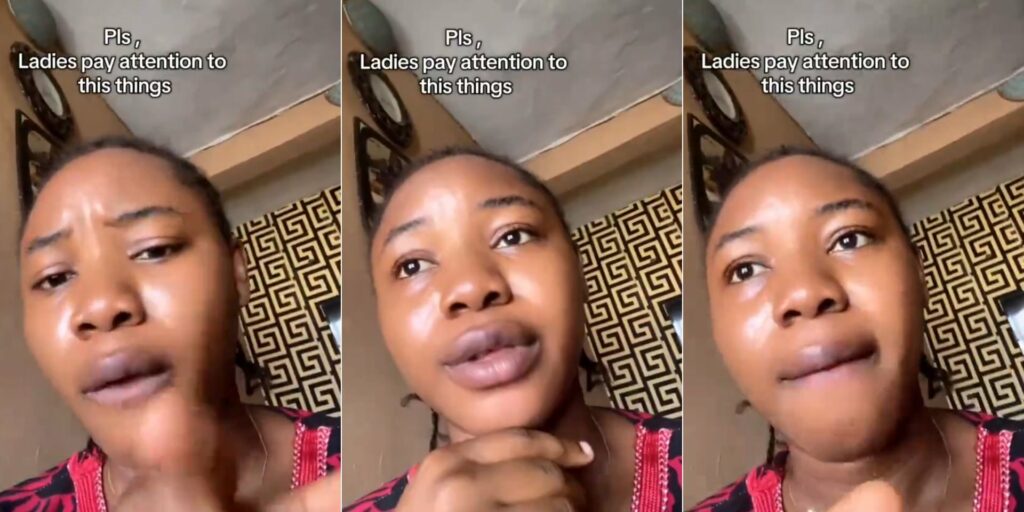
  • If He Can’t Drop ₦100k Weekly, He’s Not a Man! — Lady’s Explosive Statement Ignites Nationwide Relationship War

    If He Can’t Drop ₦100k Weekly, He’s Not a Man! — Lady’s Explosive Statement Ignites Nationwide Relationship War

    A Nigerian lady has set social media on fire after boldly declaring that any man who cannot provide ₦100,000 weekly for upkeep does not deserve to be called a man. The controversial remark has triggered a storm of reactions, reopening heated debates about money, masculinity, and expectations in modern relationships.

    The Statement That Shook the Internet

    The lady made the assertion during a public rant, insisting that financial provision is a basic responsibility of men in relationships. According to her, a man who struggles to give ₦100k weekly lacks ambition, seriousness, and readiness for commitment.

    “Love is not enough,” she reportedly said. “If you can’t take care of a woman financially, don’t date her.”

    Social Media Erupts

    Her comment quickly went viral, splitting the internet into two fierce camps:

    • Supporters applauded her for “speaking facts,” arguing that inflation and modern living costs justify higher financial expectations.
    • Critics slammed the remark as unrealistic, insulting, and dismissive, accusing her of reducing manhood to money and promoting transactional relationships.

    Hashtags like #100kWeekly, #GenderRoles, and #RelationshipStandards trended as users shared screenshots, memes, and fiery takes.

    Men Push Back

    Many men fired back, pointing out Nigeria’s harsh economic realities, unemployment rates, and rising cost of living. Some described the statement as out of touch with reality, while others questioned whether emotional support, loyalty, and partnership still count for anything.

    “One week upkeep is more than some people earn in a month,” a user commented.

    Experts Weigh In

    Relationship analysts say the comment reflects a growing clash between social-media-driven expectations and real-life economic conditions. They warn that such rigid standards can fuel resentment, discourage genuine connection, and deepen gender divides.

    She’s Not Backing Down

    Despite the backlash, the lady has reportedly stood firm, insisting her statement reflects personal standards, not a universal rule. “If you can’t afford me, leave me,” she added.

    What began as a blunt opinion has now become a cultural flashpoint—forcing society to confront uncomfortable questions about money, love, and what truly defines a man in today’s economy.

  • “Three Snakes Found in Nanyah’s Apartment After Bite” — Abuja Choir Director Drops Chilling Revelation

    “Three Snakes Found in Nanyah’s Apartment After Bite” — Abuja Choir Director Drops Chilling Revelation

    Fear and shock have gripped social media after an Abuja-based choir director revealed that three snakes were allegedly discovered inside Nanyah’s apartment following a terrifying snake bite incident. The chilling disclosure has sparked widespread panic, speculation, and debate over spiritual attacks, safety, and unexplained dangers.

    A Bite That Raised Alarms

    According to the choir director, Nanyah had earlier suffered a mysterious snake bite, prompting concern among close friends and church members. What followed, however, left many stunned: a search of her apartment allegedly led to the discovery of three live snakes hidden within the residence.

    “This is not normal,” the choir director reportedly said, describing the scene as “terrifying and unbelievable.”

    Shockwaves on Social Media

    News of the discovery spread rapidly online, with many users expressing fear and disbelief. While some questioned how snakes could enter a secured apartment, others interpreted the incident through a spiritual or supernatural lens, fueling intense online discussions.

    Hashtags such as #SnakeIncident, #AbujaShock, and #SpiritualAttack began trending as users shared theories, prayers, and warnings.

    Spiritual vs Logical Explanations

    The revelation has split opinion:

    • Some believe the incident points to spiritual warfare or targeted attacks, calling for prayers and deliverance.
    • Others argue there may be a logical explanation, such as poor building maintenance, nearby bushland, or illegal animal keeping.

    Safety experts have urged residents to remain calm and report such findings to relevant authorities, stressing the importance of proper investigation.

    Authorities Yet to Confirm

    As of now, there has been no official confirmation from authorities, leaving many questions unanswered. Calls are growing for a thorough probe to establish how the snakes entered the apartment and whether there is any ongoing threat.

    A Warning to the Public

    The choir director has urged the public to remain vigilant and prayerful, describing the incident as a wake-up call. “People should not joke with their safety,” he warned.

    Whether coincidence, negligence, or something more sinister, the alleged discovery of three snakes in Nanyah’s apartment has left Abuja residents unsettled—raising fears, questions, and urgent calls for answers.

  • You Can Spend on Your Girlfriend but Ignore Your Sister? — Lady’s Bold Question Sparks Heated Gender Debate

    You Can Spend on Your Girlfriend but Ignore Your Sister? — Lady’s Bold Question Sparks Heated Gender Debate

    A woman has ignited a fiery online debate after questioning men who lavish money on their girlfriends while allegedly neglecting their own sisters, calling the behavior “hypocritical and disappointing.” Her remarks have struck a nerve, triggering intense conversations about family responsibility, priorities, and modern relationships.

    The Question That Shook Social Media

    In a viral post, the lady bluntly asked why some men are quick to fund dates, buy gifts, and pay bills for romantic partners, yet hesitate or refuse to support their sisters—even when they are struggling.

    “Your sister shares your blood,” she wrote. “So why does she come last?”

    Internet Erupts: Support vs Pushback

    Her statement quickly gained traction, splitting opinions across social media platforms:

    • Supporters, many of them women, applauded her for speaking uncomfortable truths, arguing that family should come before romance.
    • Critics, largely men, pushed back, insisting that romantic relationships and family obligations are not the same, and that support should never be forced.

    Hashtags like #FamilyFirst, #SistersMatter, and #RelationshipPriorities trended as users shared personal experiences and strong opinions.

    A Deeper Cultural Conversation

    Social commentators say the debate exposes a broader issue around emotional labor, financial expectations, and gender roles. In many cultures, sisters are expected to “understand” financial neglect, while girlfriends are actively courted with material gestures.

    “Affection shouldn’t erase responsibility,” one commentator noted. “Romance is important, but family bonds shouldn’t suffer because of it.”

    No Apology, No Retreat

    Despite backlash, the lady has stood firm, clarifying that she was not attacking relationships—but calling for balance and empathy. “Love your girlfriend, yes,” she said, “but don’t forget the sister who grew up with you.”

    What started as a simple question has now become a national talking point—forcing many to confront uncomfortable truths about love, loyalty, and where family truly stands in modern relationships.

  • How Can a Child Be This Mannerless — Lady’s Reaction to Viral Video of Omije Ojumi’s Son at Burial Sparks Outrage

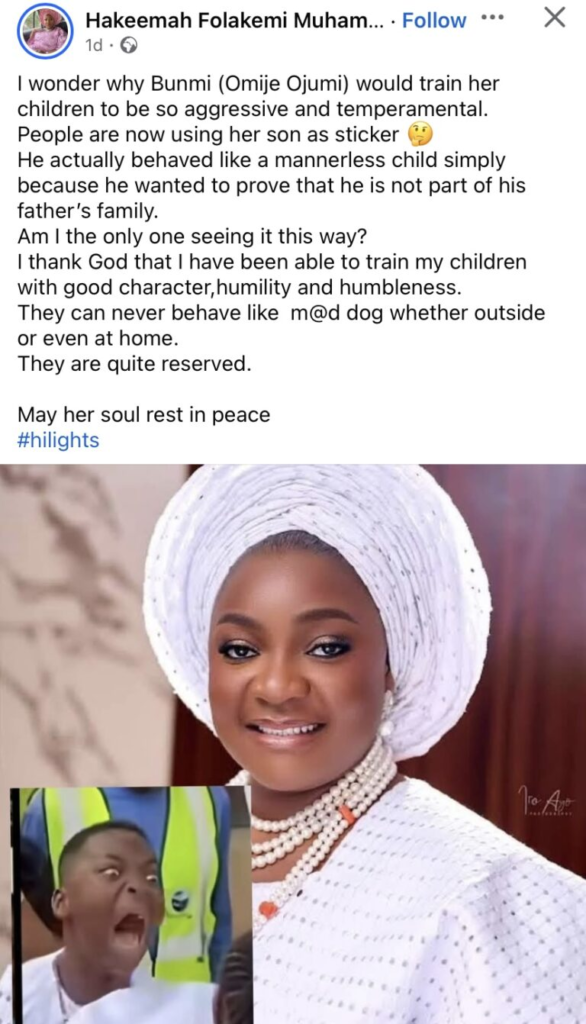
    How Can a Child Be This Mannerless — Lady’s Reaction to Viral Video of Omije Ojumi’s Son at Burial Sparks Outrage

    A heated online controversy has erupted after a lady publicly reacted to a viral video showing Omije Ojumi’s son at a burial ceremony, describing the child’s behavior as “mannerless.” Her comment has triggered intense backlash, moral debates, and emotional reactions across social media.

    The Viral Moment

    The video, which has been widely circulated online, captures Omije Ojumi’s young son behaving in a way some viewers considered inappropriate for a burial setting. While many dismissed it as normal child behavior, others felt it showed a lack of restraint expected at such a solemn event.

    The Comment That Lit the Fire

    Reacting to the clip, a lady bluntly asked, “How can a child be this mannerless?”—a remark that instantly ignited outrage. Critics accused her of insensitivity, overstepping boundaries, and publicly shaming a child who may not fully understand the gravity of the occasion.

    Internet Divided

    Social media quickly split into opposing camps:

    • Defenders of the child argued that children process grief differently and should not be harshly judged or dragged into public criticism.
    • Supporters of the comment insisted that basic decorum should be taught early, especially during cultural and traditional ceremonies like burials.

    Hashtags such as #LeaveTheChildAlone, #ParentingDebate, and #BurialEtiquette began trending as users weighed in.

    Celebrities and Parenting Advocates React

    Several commentators and parenting advocates have since urged the public to show restraint when commenting on children, warning that viral criticism can have long-term emotional effects. “Correcting behavior should never turn into public humiliation,” one advocate noted.

    A Bigger Conversation

    The incident has reopened broader discussions about parenting styles, cultural expectations at funerals, and the dangers of social media judgment, especially when minors are involved.

    What began as a viral video has now become a flashpoint—raising difficult questions about respect, parenting, and where society should draw the line when children are thrust into the unforgiving spotlight of social media.

  • I Took My Two-Week-Old Baby to an Orphanage… I Couldn’t Sleep — Frustrated Single Father Breaks Down in Emotional Cry for Help

    I Took My Two-Week-Old Baby to an Orphanage… I Couldn’t Sleep — Frustrated Single Father Breaks Down in Emotional Cry for Help

    A heart-wrenching confession by a struggling single father has sent shockwaves across social media after he revealed that he took his two-week-old baby to an orphanage, overwhelmed by pressure, fear, and sleepless nights. His emotional cry-out has sparked nationwide debate about mental health, single parenting, and support systems for fathers.

    “I Was Breaking Down”

    In a deeply emotional account, the man explained that he had been raising the newborn alone, battling exhaustion, anxiety, and financial strain. “I couldn’t sleep. I was scared I might harm the baby unintentionally because I was not okay mentally,” he confessed.

    According to him, the decision to take the baby to an orphanage was not out of hatred or abandonment, but a desperate move driven by fear and emotional collapse. “I felt I was failing as a father,” he said.

    A Cry, Not Cruelty

    The father emphasized that the move was meant to protect the child, not discard them. “I knew the baby would be safe there. I just needed help,” he added, his voice reportedly shaking as he recounted the ordeal.

    Mental health advocates say the story highlights a rarely discussed reality: men, too, experience post-partum stress, depression, and emotional overload—but often suffer in silence.

    Social Media Reacts: Sympathy and Anger

    The story has divided public opinion:

    • Supporters expressed sympathy, urging society to show compassion and provide help instead of judgment.
    • Critics accused the father of irresponsibility, arguing that a baby should never be separated from a parent so early.

    Hashtags like #SingleFatherStruggles, #MentalHealthMatters, and #SupportParents began trending as others shared similar hidden struggles.

    Experts Weigh In

    Psychologists warn that sleep deprivation, isolation, and lack of support can push new parents to breaking points. “This is a mental health emergency, not a moral failure,” one expert noted. “What he needs is help, not condemnation.”

    A Bigger Societal Question

    The incident has reignited conversations about why support systems for single parents—especially fathers—are weak or nonexistent, and how society often dismisses men’s emotional distress until it becomes a crisis.

    Behind the shocking headline lies a broken man asking for help—and a baby whose story forces society to confront uncomfortable truths about parenting, mental health, and compassion.

    @gt.comedy2

    A frustrated single father went to pick up his child from the orphanage.#fyp #goviral #tiktokviral #viral #trend

    ♬ original sound – GT Comedy
  • “Was I Wrong?” — Lady Sparks Online Uproar After Refusing Friend’s Asoebi Despite Gifting Over ₦100,000

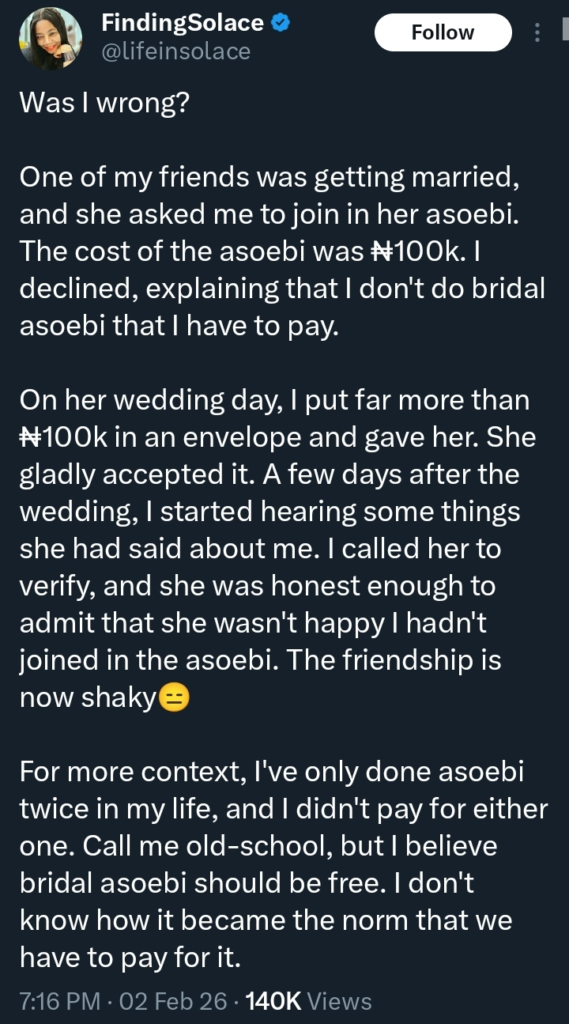
    “Was I Wrong?” — Lady Sparks Online Uproar After Refusing Friend’s Asoebi Despite Gifting Over ₦100,000

    A young woman has ignited a heated social media debate after revealing how she refused to buy her friend’s asoebi—despite having already gifted her more than ₦100,000 ahead of the event. Her emotional account has left the internet divided, with many questioning entitlement, friendship boundaries, and wedding culture.

    The Costly Friendship Gesture

    According to the lady, when her friend announced her wedding, she showed support by sending over ₦100,000 in cash to help with preparations. However, things took a turn when she was later asked to buy an expensive asoebi outfit, which she felt was unnecessary given her earlier contribution.

    “I thought the money I gave was enough support,” she explained. “But when I said I wouldn’t buy the asoebi, everything changed.”

    Cold Treatment and Fallout

    The lady claimed her friend became distant and upset, allegedly making her feel unappreciated and sidelined. Communication reportedly broke down, and she began questioning whether she had violated an unspoken rule of friendship.

    Her story, shared online with the question “Was I wrong?”, quickly went viral.

    Internet Divided

    Reactions poured in from all sides:

    • Supporters argued that gifting ₦100k was more than generous and that friendships should not be reduced to financial obligations.
    • Critics insisted that asoebi is a sign of solidarity at weddings and that refusing it sends the wrong message, regardless of prior gifts.

    Hashtags like #AsoebiDrama, #WeddingEntitlement, and #FriendshipBoundaries trended as users shared similar experiences.

    A Bigger Cultural Conversation

    Social commentators say the incident highlights the growing pressure around weddings, where friends and family are often expected to spend beyond their comfort in the name of support. Many argue that the culture has shifted from celebration to financial competition.

    No Regrets, Just Questions

    Despite the backlash, the lady maintains she acted in good faith. “Support should come from the heart, not obligation,” she said, adding that the experience has made her rethink how far she goes for friends.

    What started as a simple refusal has now become a viral debate—forcing many to ask: when does support end, and when does entitlement begin?

  • I’d Rather Pass Away Than Get Married — Lady’s Shocking Statement Ignites Marriage Debate Online

    I’d Rather Pass Away Than Get Married — Lady’s Shocking Statement Ignites Marriage Debate Online

    A young woman has set social media on fire after boldly declaring that she would “rather pass away than get married,” a statement that has triggered heated reactions, intense debates, and soul-searching conversations about love, commitment, and modern relationships.

    A Bold Declaration That Shocked Many

    The lady made the controversial remark while sharing her views on marriage, describing it as stressful, restrictive, and emotionally draining based on what she has observed around her. According to her, failed marriages, broken homes, and unhappy couples have convinced her that singlehood offers more peace and freedom.

    “I’ve seen enough,” she reportedly said. “Marriage is not for me.”

    Internet Reacts: Support vs Outrage

    Her statement quickly went viral, splitting opinions across social media:

    • Supporters, especially young women, applauded her honesty, saying marriage has been over-romanticized despite real emotional costs.
    • Critics slammed her comment as extreme, disrespectful, and attention-seeking, arguing that marriage should not be judged solely by negative examples.

    Hashtags like #MarriageIsNotByForce, #SingleAndHappy, and #ModernWomen began trending as users shared their own experiences and beliefs.

    A Reflection of Modern Realities?

    Relationship experts say the comment reflects a growing skepticism toward marriage, driven by rising divorce rates, economic pressures, and changing gender expectations. Many young people, they note, now prioritize mental health, independence, and personal fulfillment over traditional institutions.

    Standing Her Ground

    Despite the backlash, the lady has refused to backtrack, insisting her words were a personal choice, not an attack on marriage. “If marriage works for you, fine. But it’s not my dream,” she added.

    What began as a personal opinion has now become a cultural flashpoint—forcing society to confront uncomfortable questions about marriage, happiness, and whether choosing to stay single is still taboo.